Blatrixo Machine
Blatrixo Machine
Blatrixo Machine
Engineered for high-volume deburring, descaling, and surface texturing in Georgia's automotive, foundry, and metal fabrication sectors.
Analyzing macroeconomic manufacturing trends, supply chain logistics, and surface treatment requirements across Georgia's key economic sectors.
The state of Georgia—anchored by major industrial epicenters including Atlanta, Savannah, West Point, Gainesville, Augusta, and Macon—has rapidly consolidated its status as a powerhouse for advanced manufacturing, aerospace assembly, automotive EV supply chains, and heavy metal casting. As global manufacturers scale up operations along the Interstate 75 and Interstate 85 corridors, the demand for repeatable, high-throughput, energy-efficient surface preparation technology has reached an unprecedented peak.
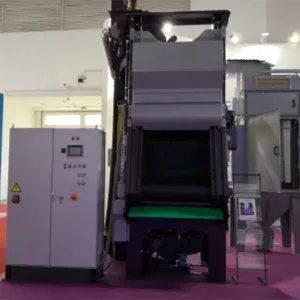
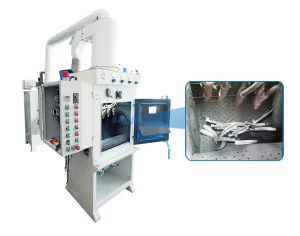
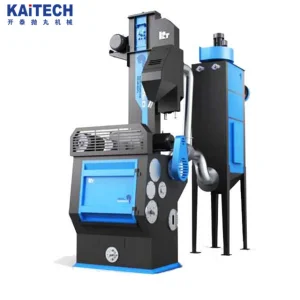
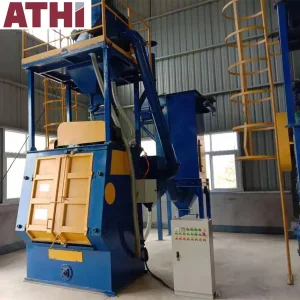
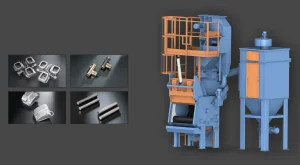
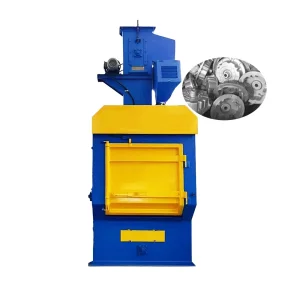
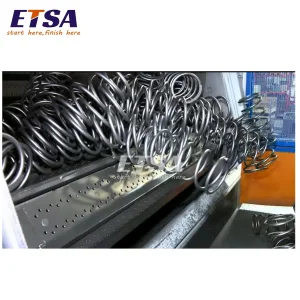
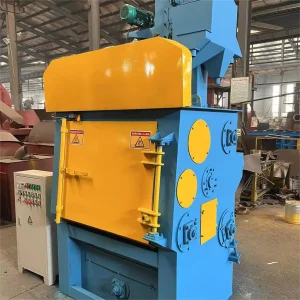
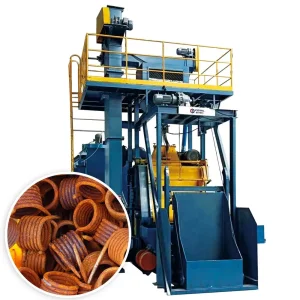
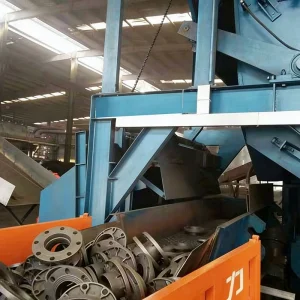
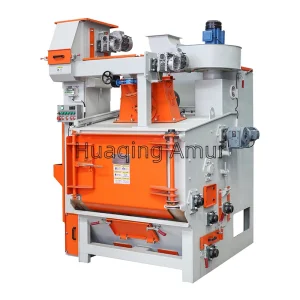
Tumble blast machines (also widely designated as tumble belt shot blasters or apron wheelabrators) represent the absolute cornerstone of batch surface finishing. Whether processing heavy iron sand castings in regional foundries, removing burrs from aluminum die-cast EV battery housings, or peening high-stress automotive coil springs, tumble blast systems deliver unmatched mechanical efficiency. By continuously rolling parts over an endless rubber or heavy-duty manganese steel flighted belt under high-velocity abrasive streams thrown by blast wheels, these systems achieve 360-degree coverage without leaving shaded spots.
Modern supply chain compliance requires strict adherence to surface cleanliness standard ISO 8501-1 (Sa 2.5 to Sa 3.0) and precise Ra surface roughness profiles prior to e-coating, powder coating, or structural welding. Traditional manual sandblasting fails to meet modern OSHA silica dust standards and introduces unacceptable labor overhead. Advanced automated tumble blast machines cut per-part finishing costs by up to 68% while capturing 99.4% of reusable steel shot.
A rigorous examination of wheel mechanics, belt alloy selection, dynamic abrasive separation, and micro-PLC automation.
Understanding the engineering nuances of tumble blast machines is crucial for plant managers and procurement directors aiming to optimize Total Cost of Ownership (TCO). A industrial tumble blast machine operates on a closed-loop mechanical workflow designed for continuous heavy-duty cycles.
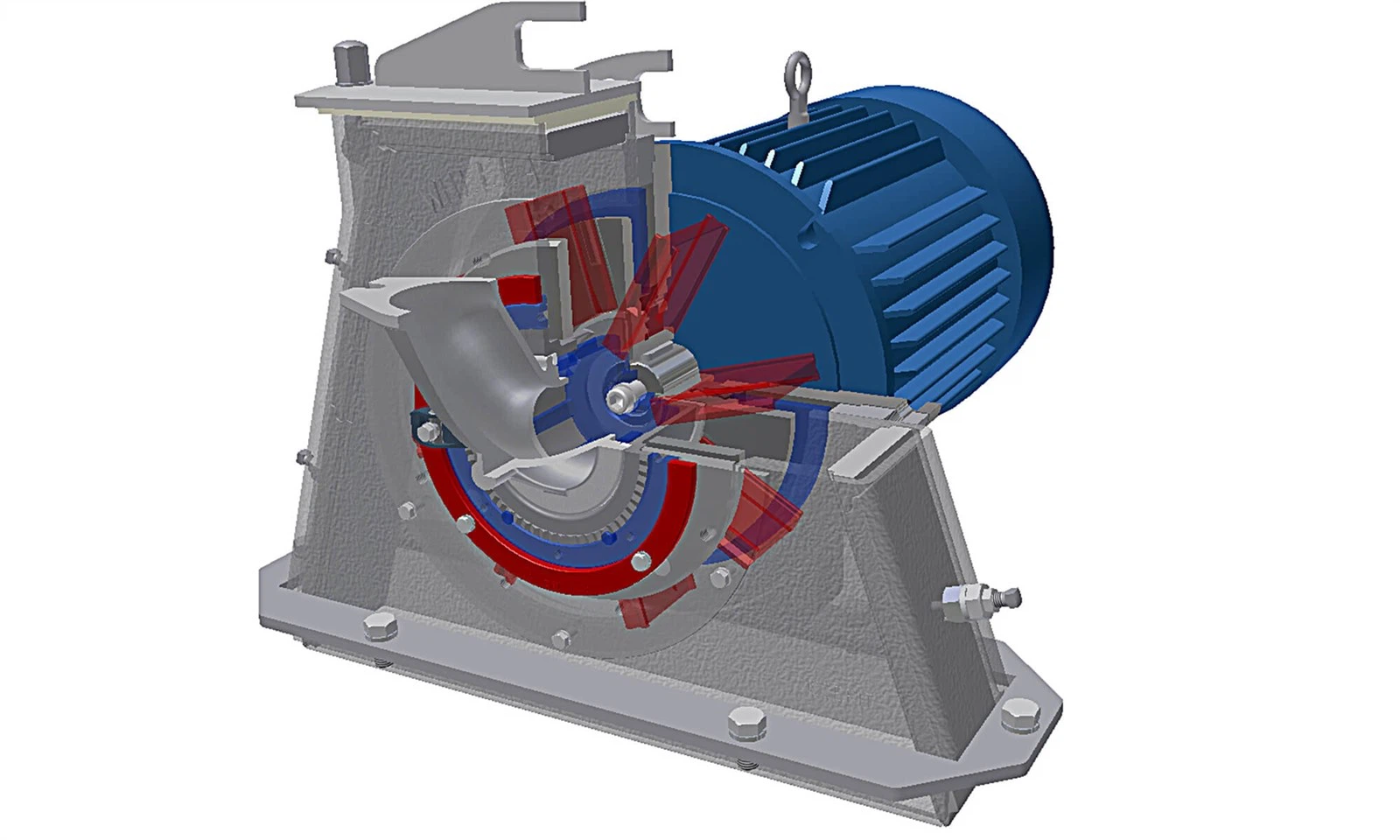
The core energy transformer of any shot blast machine is its centrifugal blast wheel assembly. Our heavy-duty tumble blasters incorporate high-efficiency curved blade impellers constructed from high-chromium wear-resistant alloy (Cr ≥ 28%, hardness ≥ 62 HRC). Operating at speeds ranging from 2,800 to 3,600 RPM, the wheel hurls abrasive media at velocities exceeding 80 m/s. This direct mechanical kinetic energy transfer ensures rapid descaling and flash removal within cycle times as low as 3 to 7 minutes per batch.
Selecting the optimal tumble bed conveyor type depends on workpiece weight, material hardness, and geometry:
| System Attribute | Rubber Belt Tumble Blaster (Q32 Series) | Steel Slat Apron Tumble Blaster (28GN / Steel Series) |
|---|---|---|
| Primary Application | Delicate aluminum, brass castings, light steel pressings, plastic deburring | Heavy iron castings, forged steel cranks, heavy structural forgings |
| Max Workpiece Weight | Up to 15 kg per single part (Total load 200 - 600 kg) | Up to 150 kg per single part (Total load 600 - 2,000 kg) |
| Belt Material Specs | Multi-ply high-wear synthetic rubber with woven nylon cord reinforcement | Heat-treated high-manganese alloy steel slats connected by heavy-duty chain pins |
| Part-to-Part Impact | Gentle tumbling cushion minimizes denting and distortion | High load capacity designed for rugged industrial forge environments |
| Maintenance Profile | Simple belt replacement; zero metal friction noise | Long lifecycle under extreme thermal/abrasive conditions; replaceable wear pads |
To preserve abrasive media longevity and guarantee consistent surface finishes, our machines incorporate a dual-stage BE-type air-wash separator. As shot, sand, scale, and dust return via the bucket elevator, a uniform curtain of air streams through the falling media. Clean shot falls directly back into the blast hopper, while broken media and fine dust are drawn into a multi-cartridge pulse-jet dust collector.
All units comply with Georgia EPA ambient air emissions requirements and OSHA combustible metal dust mitigation standards (NFPA 68/69 compatible), featuring explosion-proof venting doors and secondary HEPA safety filters.
Empirical comparative data illustrating operational gains over traditional finishing methods.
| Performance Metric | Manual Compressed Air Blasting | Rotary Barrel Sandblaster | Next-Gen Tumble Blast System |
|---|---|---|---|
| Processing Capacity | 50 - 120 kg / hr | 200 - 400 kg / hr | 800 - 3,500 kg / hr |
| Power Consumption (kWh / Ton) | 45 - 65 kWh | 25 - 35 kWh | 12 - 18 kWh |
| Abrasive Media Loss Rate | 15 - 25% per cycle (Open blast) | 5 - 8% per cycle | < 0.8% per cycle (Closed loop) |
| Surface Consistency (Ra) | Variable (± 2.5 μm operator dependent) | Moderate (± 1.2 μm) | Uniform (± 0.3 μm automated control) |
| Labor Input Required | 1 Operator per station (Continuous) | 1 Operator per 2 machines | 1 Operator per 4 automated lines (PLC load/unload) |
Global Engineering Authority, Academic Research Synergies & Non-Standard Customization Capabilities
Ningbo Blatrixo Machinery Co., Ltd. is strategically situated in the West Coast New Area of Qingdao, China—a premier global industrial hub for heavy machinery manufacturing. Leveraging deep technical collaboration and talent synergies with the national-level China Foundry and Forging Research Institute, our enterprise leads the sector in engineering innovation, physical metallurgy research, and dynamic stress analysis.
Our dedicated engineering staff specializes in the complete lifecycle development of automated shot blasting machines, continuous shot peening installations, custom sandblasting rooms, liquefied gas cylinder bottom scraping and inner wall cleaning lines, and vacuum shot suction recovery units. We do not merely manufacture machinery; we architect complete surface transformation solutions tailored to complex global manufacturing standards.

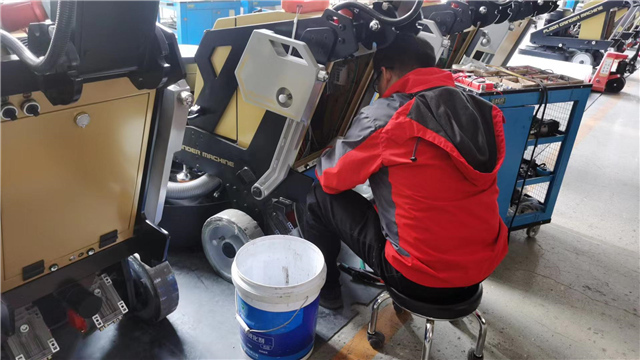
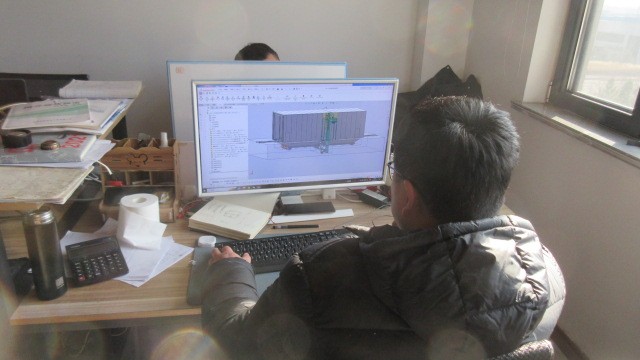
Through rigorous dimensional inspection, dynamic impeller balancing testing, and strict ultrasonic weld integrity audits, Blatrixo guarantees that every machine exported to the Georgia market operates continuously under harsh multi-shift industrial environments. Adhering to our corporate philosophy—"unity, pragmatism, innovation, and integrity"—we empower our international clients to achieve lower operating costs and zero defect rates.
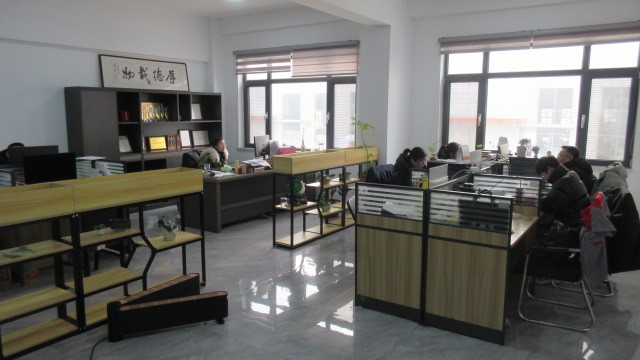
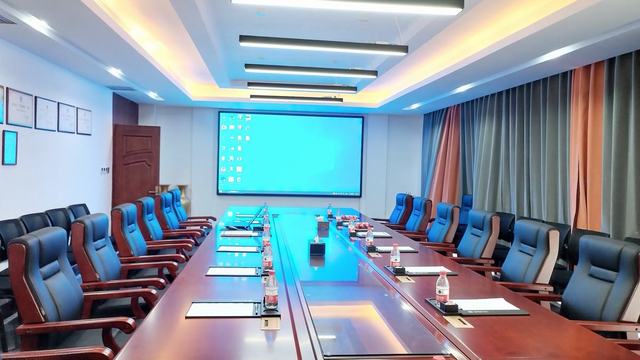
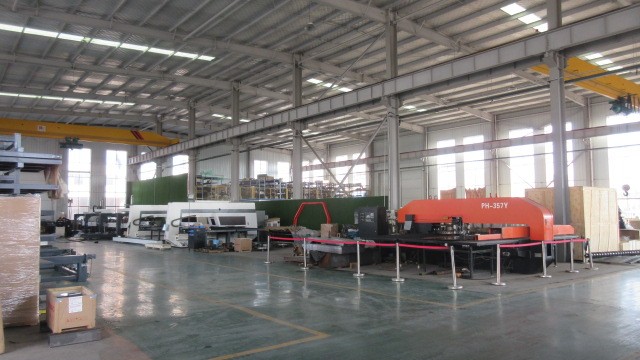
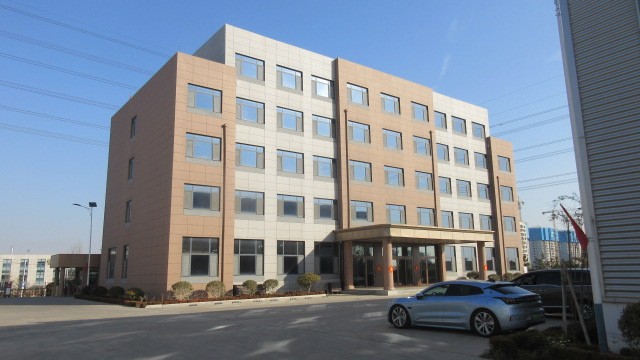
If your Georgia-based facility encounters challenges in surface roughness control, rapid blast wheel wear, excessive media consumption, or requires bespoke non-standard machinery—such as mobile sandblasting rooms, anchor chain blasters, high-speed steel pipe shot blasters, or cylinder neck riveting machinery—our technical response team stands ready to deliver turnkey engineering support.
Custom engineering deployments tailored for regional manufacturing facilities in the Southeastern United States.
Challenge: A tier-1 automotive drivetrain supplier in Georgia experienced high scrap rates due to flash lines on cast aluminum transmission covers and uneven manual grinding mark profiles.
Solution: Implementation of a Blatrixo Q3210 Rubber Belt Tumble Shot Blast Machine equipped with fine stainless steel cut wire shot (0.3mm) and variable frequency blast wheel speed control. The gentle tumbling action of the heavy-duty perforated rubber belt prevented part collisions, while the automated blast cycle eliminated manual deburring completely.
Result: Cycle time reduced from 15 minutes per batch to 4 minutes; surface finish standardized at Ra 3.2 μm; annual labor savings exceeded $140,000.
Challenge: An industrial hardware manufacturer required fast mill-scale removal and compressive stress induction on forged heavy-duty connecting rods and lifting shackles.
Solution: Installation of a Blatrixo Steel Slat Apron Tumble Blast Machine (28GN Series) featuring twin 15 kW high-torque blast turbines and thick internal ZTM high-manganese protective liners.
Result: Achieved complete scale removal to Sa 3.0 standards, extended component fatigue life by 42% via controlled surface peening, and ensured 24/7 continuous operation.
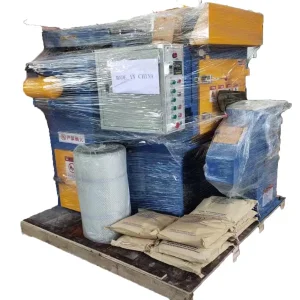
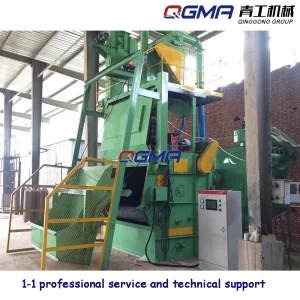
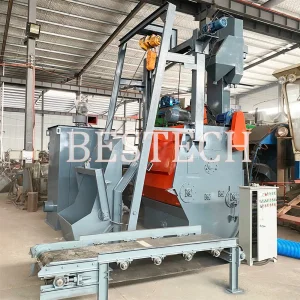
Explore our full range of standard and specialized blast cleaning, shot peening, and tumble equipment available for global shipping.
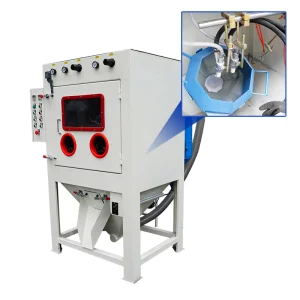
Expert answers to high-intent engineering, compliance, and logistics queries for the Georgia industrial market.
Contact our senior surface engineering team today for personalized technical advice, custom CAD equipment layouts, and rapid price estimates tailored to your production requirements.