Blatrixo Machine
Blatrixo Machine
Blatrixo Machine
Explore our top-tier, high-precision industrial systems engineered for optimal cleaning, peening, and surface preparation across global manufacturing sectors.
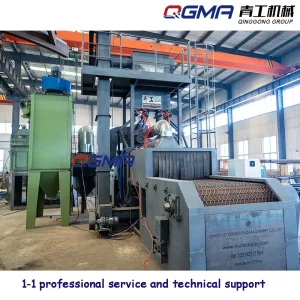
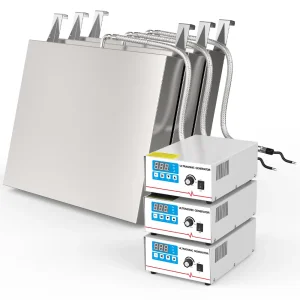

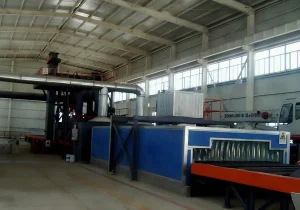
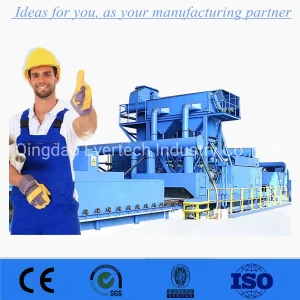
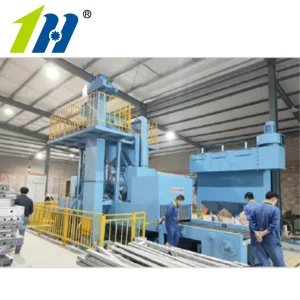
The industrial surface preparation sector is undergoing a profound technological transformation. Driven by stringent global environmental frameworks and the imperative for operational cost reduction, modern high-pressure blasting equipment is moving rapidly away from manual, unmonitored processes. The contemporary industry standard demands closed-loop abrasive recovery systems, advanced wear-resistant alloys, and integrated dust filtration modules to comply with strict emissions criteria such as OSHA guidelines and European CE standards.
Key technological frontiers include the deployment of high-efficiency blast turbines (wheelabrators) that achieve maximum impact velocity with minimum electrical consumption. Moreover, wet blasting processes are experiencing a surge in demand, particularly in aerospace and precision engineering. This is because wet blasting introduces water as a carrier medium to eliminate thermal friction, warp-free finish tolerances, and static buildup while drastically reducing airborne particulate hazards.
"According to industry benchmarks, transitioning from traditional air blasting to modern high-efficiency centrifugal wheel blasting reduces energy consumption by up to 65% while increasing surface processing throughput by over 300%."
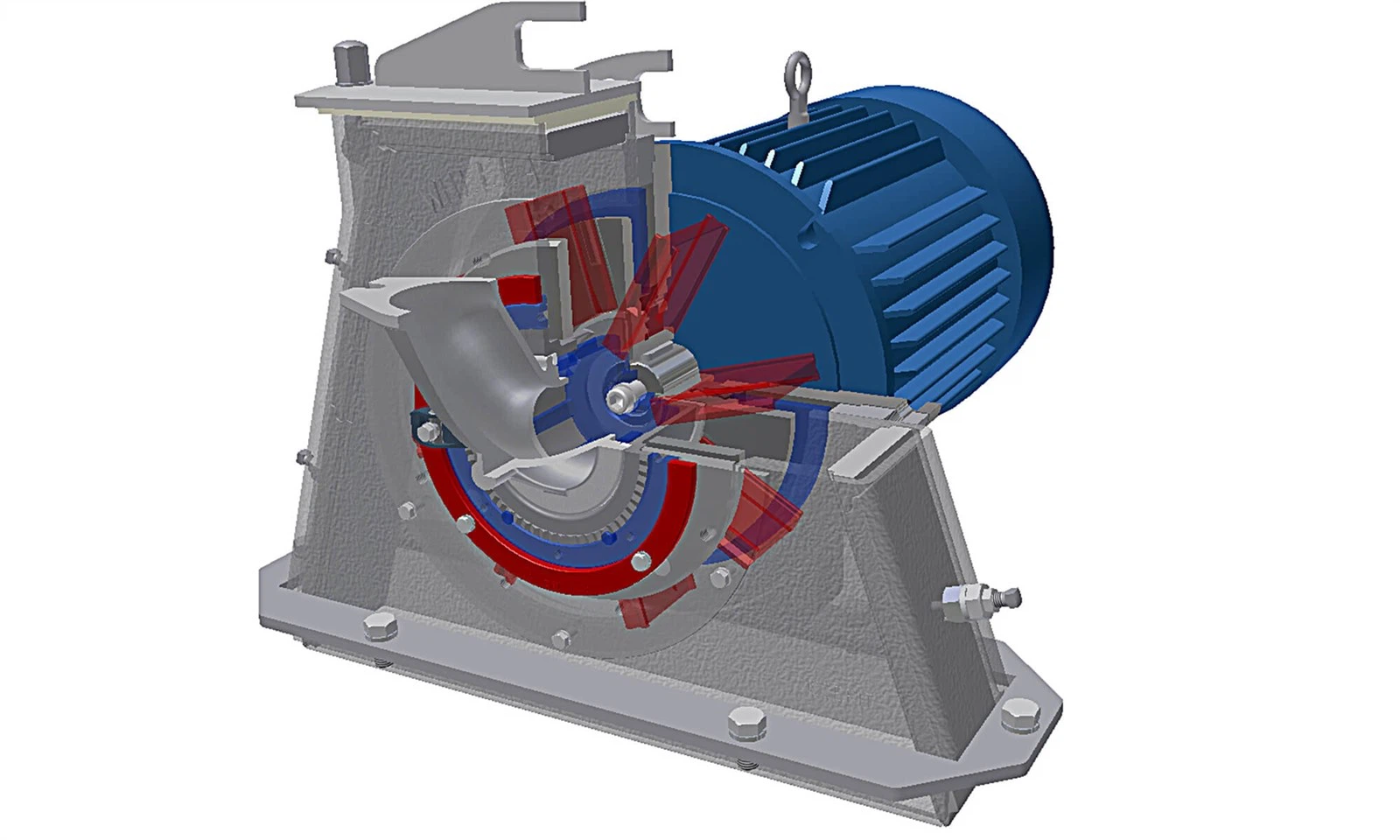
Eliminating abrasive media wastage through real-time separation and dust extraction systems. This ensures zero discharge and optimal recycling rates.
Use of high-chromium and manganese steel alloys in internal wear liners and turbine blades, pushing maintenance cycles from hours to weeks.
Integrating programmable logic controllers (PLCs) with frequency-invertor driven turbines. This allows precise control over shot impact intensity and abrasive flow rates.
For global procurement managers, balancing cost-efficiency with uncompromising quality is key. Ningbo Blatrixo Machinet Co., Ltd., strategically located in the West Coast New Area of Qingdao, China, exemplifies the modern Factory 4.0 paradigm. Leveraging the technical expertise of the China Foundry and Forging Research Institute, the company bridges the gap between scientific metallurgical research and practical engineering application.
By integrating automated fabrication, robotic welding, and dynamic digital testing setups, Ningbo Blatrixo Machinet ensures that custom non-standard equipment—ranging from mobile sandblasting rooms, gas cylinder bottom scraping machines, anchor chain shot blasting systems, to cylinder neck riveting units—meets the exact performance specifications required by the global aerospace, automotive, marine, and energy sectors.
Our centralized manufacturing ecosystem drastically minimizes lead times by keeping all core component design, casting, machining, and final electrical integration in-house. This comprehensive control over the manufacturing pipeline ensures that structural integrity, mechanical tolerances, and safety components are tested and documented under rigorous quality control standards.

Understanding the mechanical nuances of shot blasting vs. shot peening vs. wet blasting is critical for high-stakes industrial procurement. Below is a comparative breakdown of key surface technologies.
| Equipment Type | Core Application | Typical Impact Media | Surface Finish Characteristic | Automation Capability |
|---|---|---|---|---|
| Crawler / Tumble Shot Blasting | Mass production of casting & forged parts | Steel Shot / Steel Grit | Clean, descaled, textured profile | High (Automatic loading/unloading) |
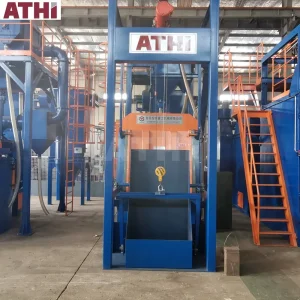
| Hanger Type Shot Peening | Structural metal parts & stress relieving | Cut Wire / Cast Steel Shot | Controlled compressive stress layer | PLC Programmed Speed Control |
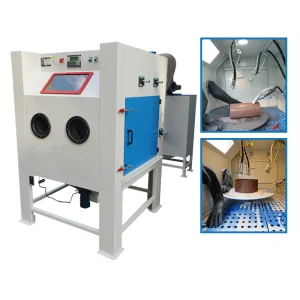
| Rotary Table Wet Blaster | High-precision component prep, mold cleaning | Glass Beads / Alumina Oxide with water | Satin, smooth, residue-free | Semi-automated to fully robotic |
| Automatic Mesh Belt Systems | Continuous processing of plate/profile structures | Steel Shot | Uniform roughness (SA 2.5/3.0) | In-line integration ready |
| Ultrasonic/Electrophoresis Prep | Precision electroplated surface cleaning | Liquid solvents / Chemical solution | Sub-micron clean, passive layer | Fully integrated line matching |
Selecting the optimal high-pressure blasting machinery depends on the metallurgy of the workpiece, required throughput, and localized environmental restrictions. For example, thin-walled aluminum components are highly susceptible to deformation under heavy steel shot impact. In these scenarios, a wire-mesh belt type shot blasting machine utilizing fine aluminum wire cut or wet rotary-table systems is necessary. Conversely, casting components require robust tumbler rubber-belt shot blasters to manage massive abrasive forces and remove stubborn molding sand residues.
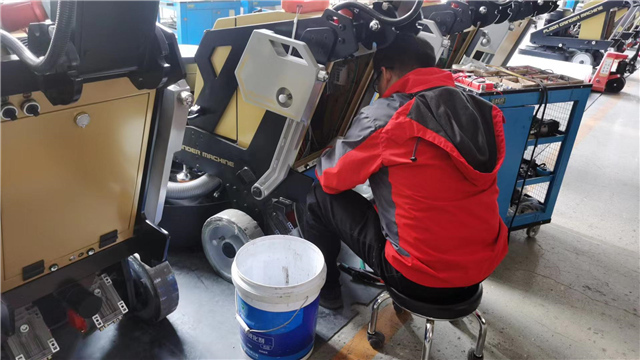
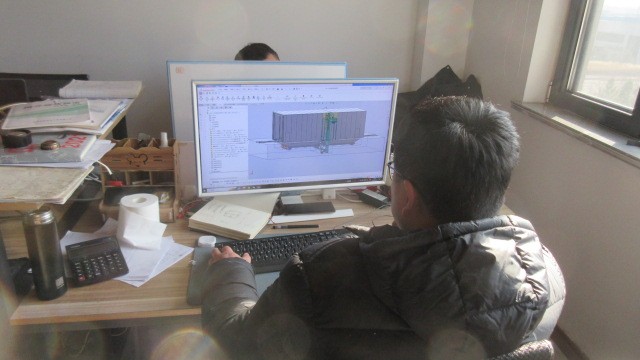
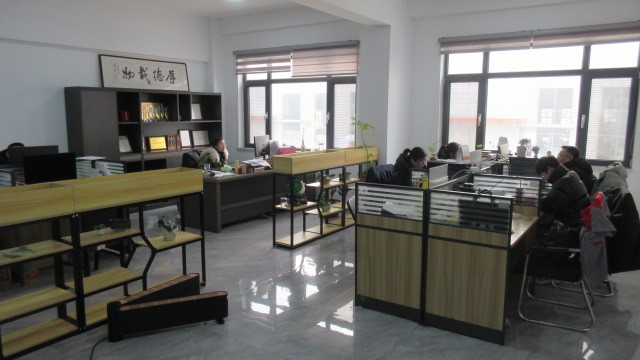
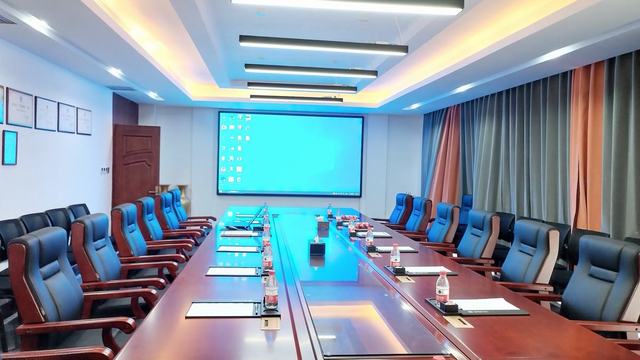
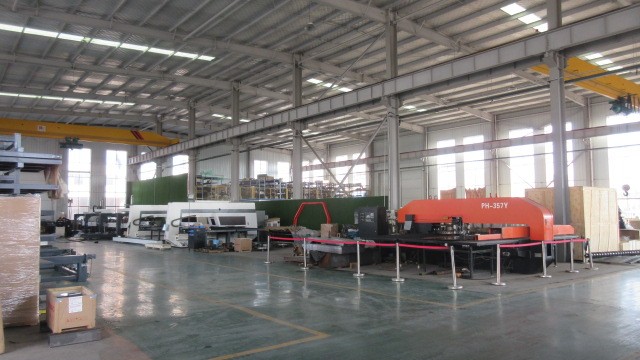
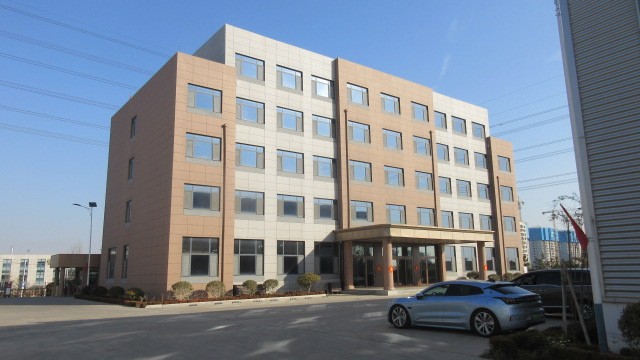
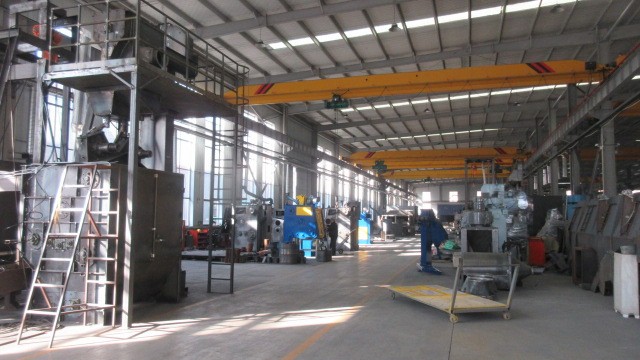
Our commitment to research and engineering excellence allows us to distribute world-class machinery across key markets. Explore our manufacturing facilities, specialized component forging, and ready-to-ship equipment assemblies.
Get answers to critical technical questions to help you specify the right high-pressure blasting machinery for your operation.
Engineered for specialized processes, environmental management, and heavy industrial applications. View technical specifications below.