 Blatrixo Machine
Blatrixo Machine
Blatrixo Machine
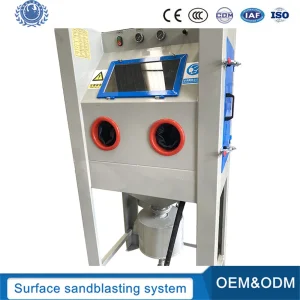
In the modern manufacturing landscape, surface preparation plays a pivotal role in determining the longevity, structural integrity, and coating adhesion of industrial components. Among the various methods available, suction blasting technology (also known as venturi air blasting) stands out as an exceptionally precise and controllable process. By drawing abrasive media into a stream of high-velocity compressed air via the venturi effect, suction blasting allows operators to micro-manage surface profiles without inducing the heavy warp stresses associated with high-pressure direct-charge systems.
Globally, the demand for high-efficiency suction blasting cabinets and automatic shot peening machines has escalated. The automotive, aerospace, marine, and energy industries require reliable rust removal, scale elimination, and mechanical surface strengthening (shot peening). In response to stricter environmental regulations regarding airborne particulate matter (PM2.5/PM10) and hazardous waste containment, modern systems now feature integrated dust extraction, energy-efficient air dehumidification, and advanced vacuum recovery systems. These solutions reclaim abrasives like steel shot, garnet, and glass beads, minimizing operational waste and protecting workers.
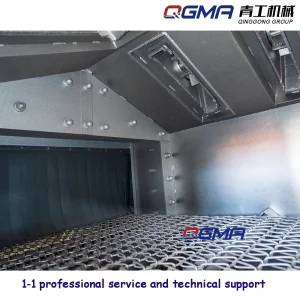
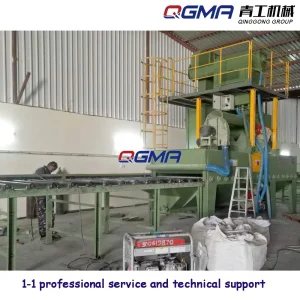
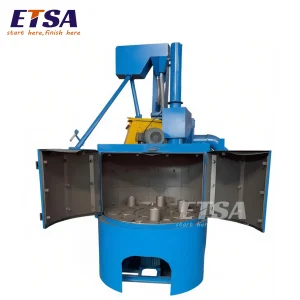
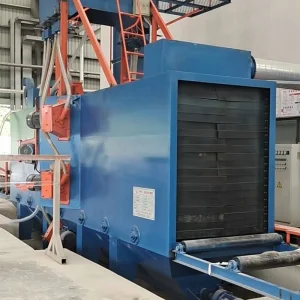
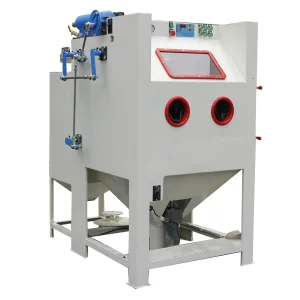
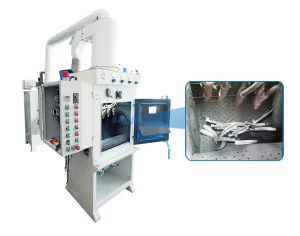
Explore our high-performance solutions engineered for demanding industrial tasks. From heavy-duty roller conveyor systems for structural steel profiling to vacuum recovery systems designed to clean up shipyards, these machines represent the forefront of structural metal cleaning.
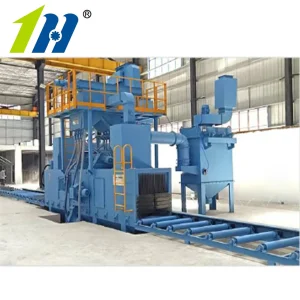
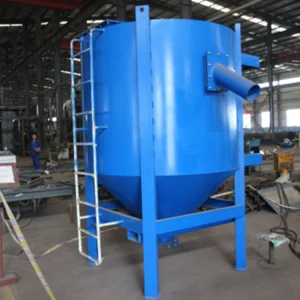
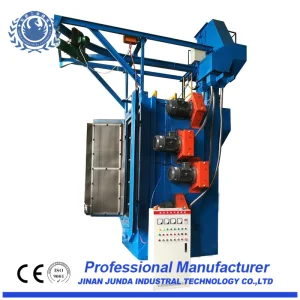
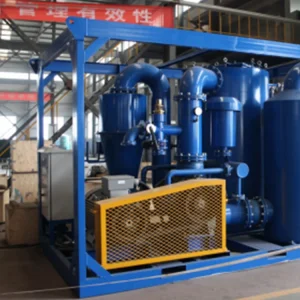
When ranking the top suction blasting factories and exporters, simple production volume is no longer the definitive metric. Modern engineering buyers utilize a multi-tiered technical assessment checklist to verify the reliability of suppliers.
Standard suction systems can drop in performance if media recycling is inefficient. High-tier systems integrate cyclonic separators that extract dust, broken media, and contaminants before conveying clean abrasive back to the blast gun. This reduces media consumption by up to 45% and ensures consistent surface profiling.
Boro-carbide and silicon carbide blast nozzles are standard in systems built by leading exporters. Properly configured venturi air jets reduce compressed air consumption while maximizing abrasive velocity. This balance prevents common surface profiling issues like localized over-peening.
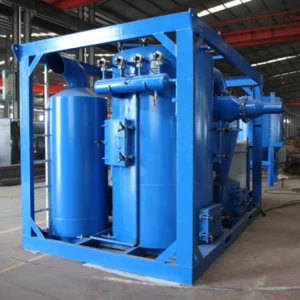
In humid coastal areas or shipyards, relative humidity can cause condensation inside blasting chambers, leading to clumping of steel grit or garnet. Advanced exporters offer integrated air-cooled dehumidifying units (such as the DH 12000 series) to keep the blasting atmosphere dry and operational.
Ningbo Blatrixo Machinet Co., Ltd. is strategically located in the West Coast New Area of Qingdao, China. Leveraging the technical and talent advantages of the China Foundry and Forging Research Institute, the company specializes in the research, development, and manufacturing of a wide range of products, including gas cylinder equipment, foundry sand treatment systems, shot blasting machine, shot peening machine, sandblasting room, shot peening tank, gas cylinder bottom scraping machine, and vacuum shot suction machine.
With extensive design and practical experience in sand treatment, shot blasting strengthening, sandblasting room, and cylinder machinery, the company is capable of customizing non-standard specialized equipment such as mobile sandblasting room, anchor chain shot blasting machine, steel pipe shot blasting machine, cylinder inner wall cleaning machine, gas cylinder bottom scraping machine, and cylinder neck riveting machine to meet specific customer requirements.
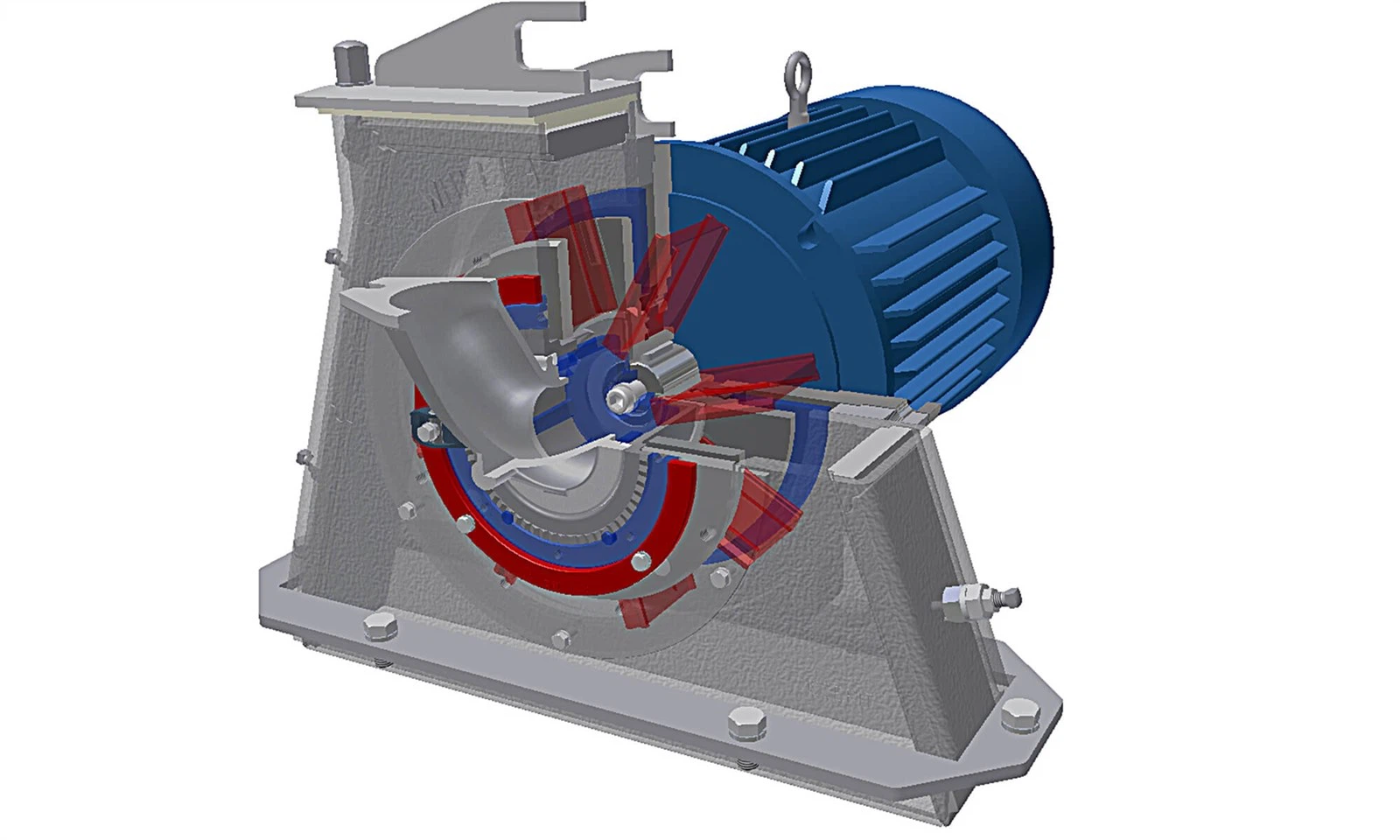
The company prioritizes technology as its core driving force, adhering to the enterprise philosophy of "unity, pragmatism, innovation, and integrity" while upholding the business principle of "surviving through quality and developing through integrity." Through rigorous testing methodologies, a highly skilled R&D team, a proficient workforce, and a dedicated service ethos, they deliver high-quality, cost-effective, advanced, and reliable products and solutions to customers worldwide.
If you encounter any challenges, have suggestions, questions, or innovative ideas related to sand treatment, shot blasting machines, sandblasting rooms, or gas cylinder equipment, please do not hesitate to contact their engineering support team. They are committed to providing comprehensive support and services tailored to your specific application needs.

They are dedicated to introducing world-class technologies and products in casting machinery, shot blasting machines, scraper sandblasting rooms, gas cylinder equipment, and vacuum shot suction machines to the global market, sharing these advancements with valued customers. Simultaneously, they strive to collaborate with clients to promote and share high-performance sand treatment equipment, shot blasting machines, sandblasting rooms, gas cylinder equipment, and vacuum shot suction machines.
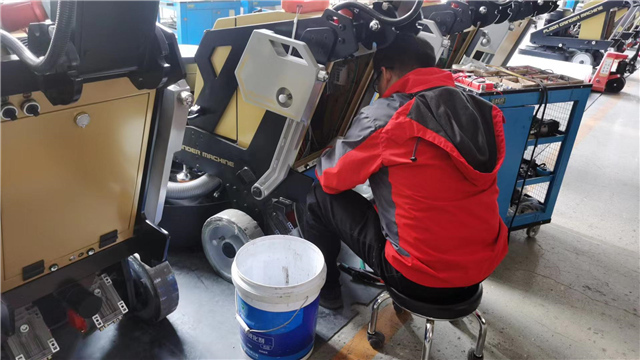
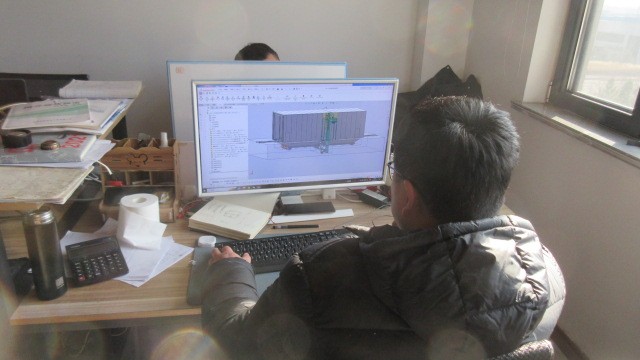
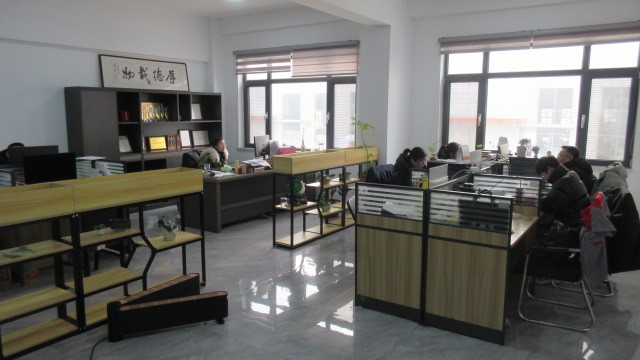

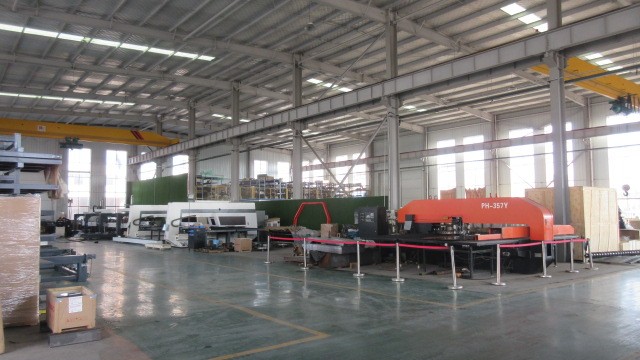

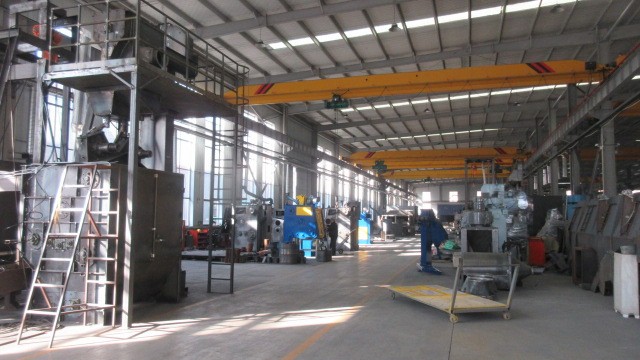
A major differentiator for top-tier machinery exporters is the ability to adapt standardized designs to local industrial regulations and structural demands. Depending on where the machinery is operated (European Union, North America, Middle East, or Southeast Asia), different safety and structural parameters take precedence.
In the United States and Canada, safety standards dictate strict electrical control protocols (UL/CSA certification for control panels) and pressure vessel ratings (ASME Section VIII for shot peening tanks). Exporters supplying this market must deliver systems built with integrated dust-free recovery systems to comply with OSHA's strict regulations on crystalline silica and metallic dust exposure levels.
European manufacturing requires CE marks alongside stringent compliance with ATEX directives if explosive dusts (such as aluminum or titanium filings) are generated inside the suction cabinet. High-end suction blast cabinets destined for the EU are outfitted with explosion relief panels, anti-static blasting hoses, and intrinsically safe lighting fixtures to minimize ignition risks.
For shipyards located in humid coastal regions, rust removal on massive steel hull sections requires robust dust containment. Exporters optimize these operations using closed-loop mobile blasting units that recover abrasives immediately at the gun head, ensuring zero discharge into surrounding marine ecosystems.
The future of industrial surface preparation belongs to intelligent closed-loop systems. Top exporters are currently transitioning from mechanical-only setups to digital, PLC-controlled ecosystems integrated with IoT (Internet of Things) diagnostic modules.
Using integrated pressure sensors, future suction cabinets can automatically adjust airflow and feed rates to compensate for nozzle wear. This ensures the anchoring pattern (surface roughness) remains uniform throughout production runs.
By analyzing acoustic signatures or laser sizing inside the cyclonic reclaimer, upcoming abrasive recycling chambers can detect exactly when steel shot or garnet has degraded past its useful lifecycle. The system automatically dumps spent dust and injects fresh media.
Sensors tracking baghouse differential pressures and fan motor vibration send alerts directly to plant control systems before system degradation occurs, preventing unexpected production downtime in heavy manufacturing facilities.
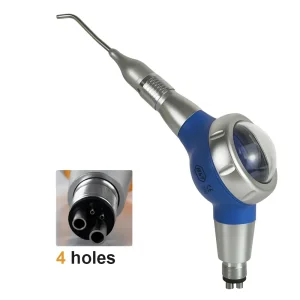
Explore our secondary tier of advanced treatment tools. Featuring precision dental clinic airflow units, rotary table shot blasters, H-beam rust removers, and automatic tumble machines, this selection covers special medical to massive structural alloy engineering.
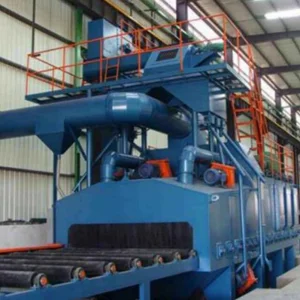
To assist global procurement managers and structural engineers in maximizing machine lifecycles and maintaining compliance, our senior technical team has compiled answers to frequently asked industry questions.