Product Description
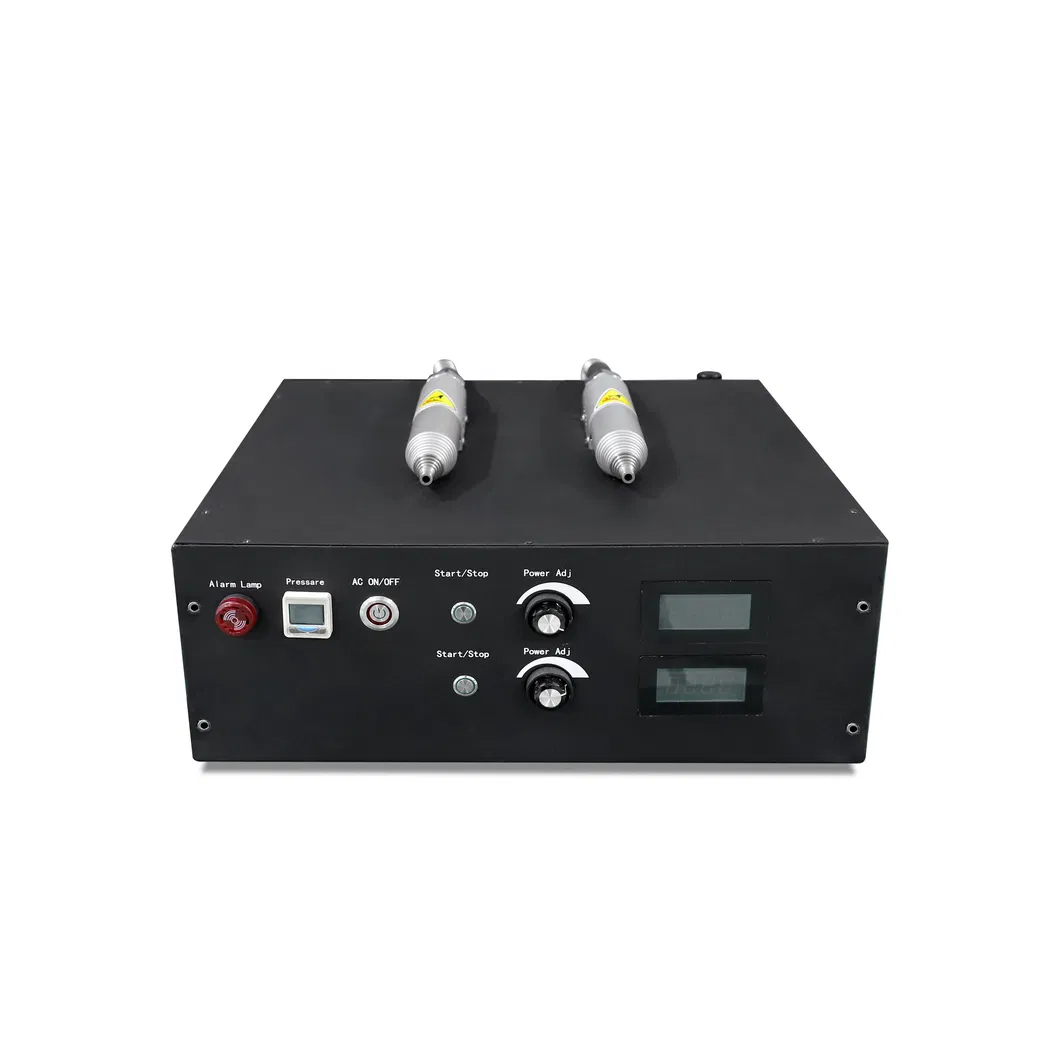
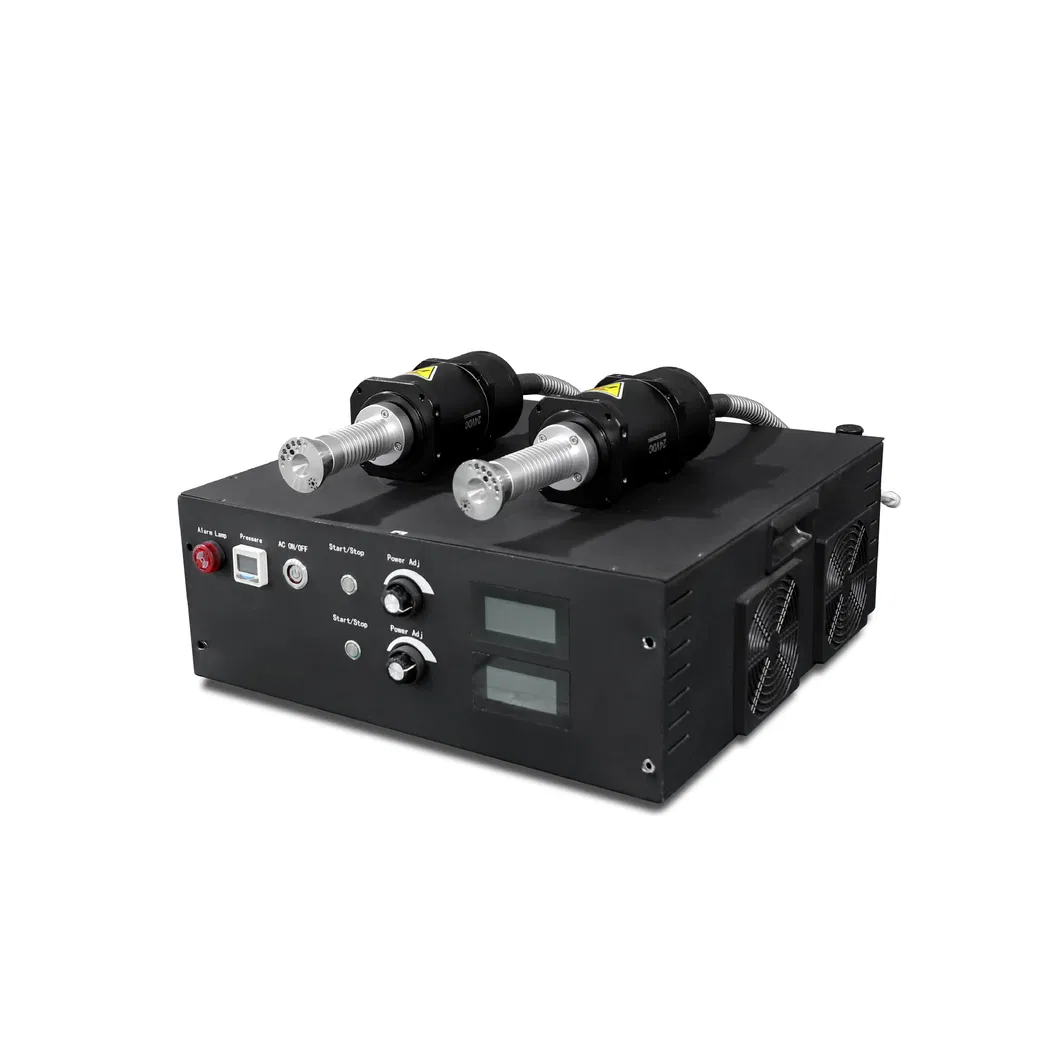
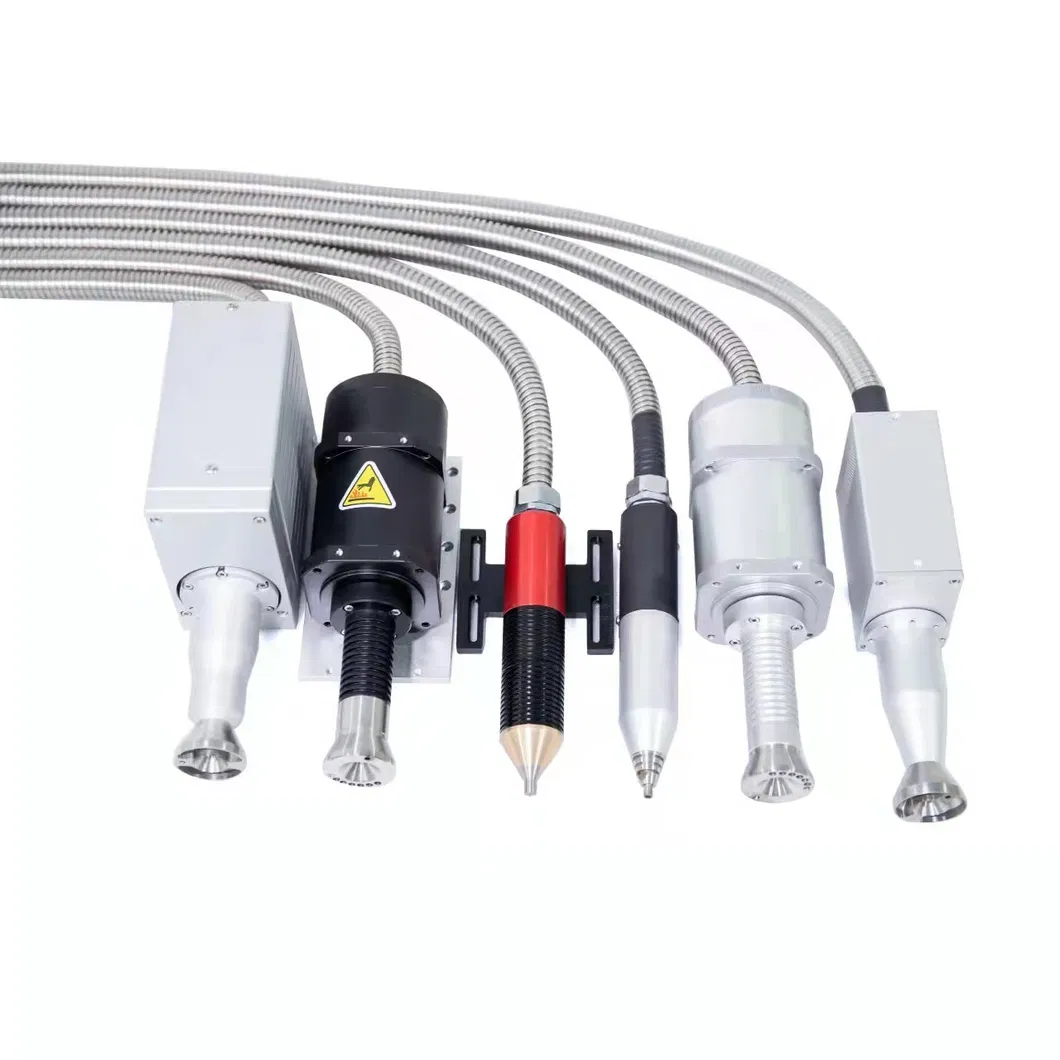
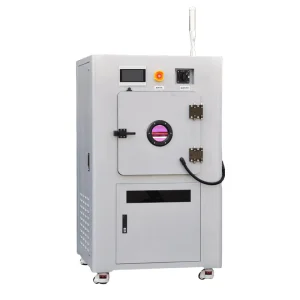
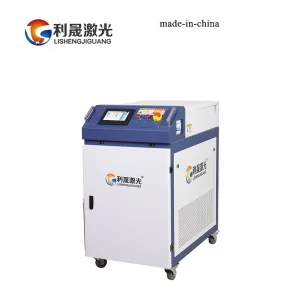
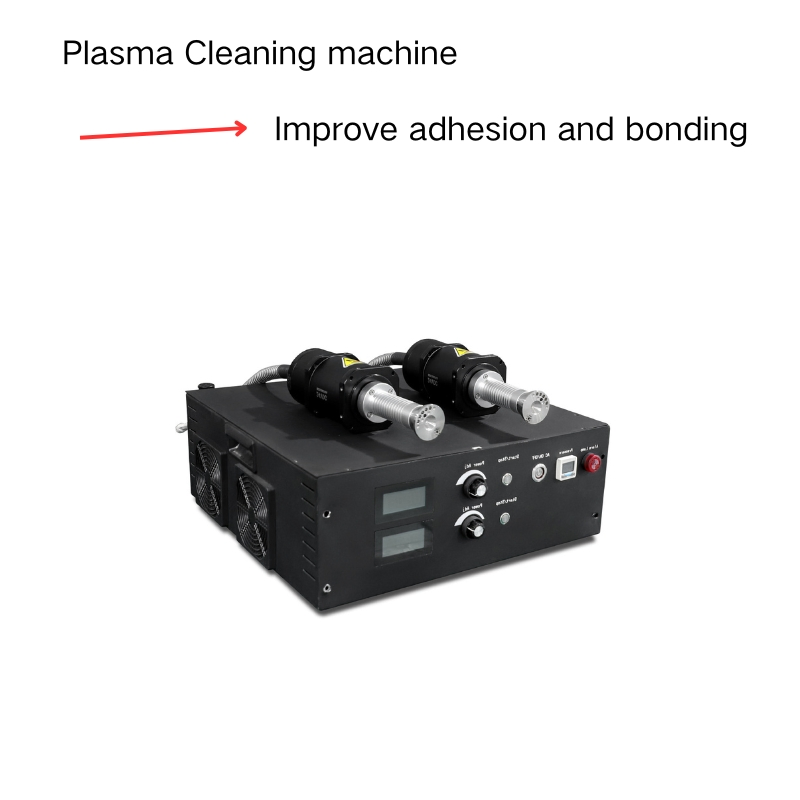
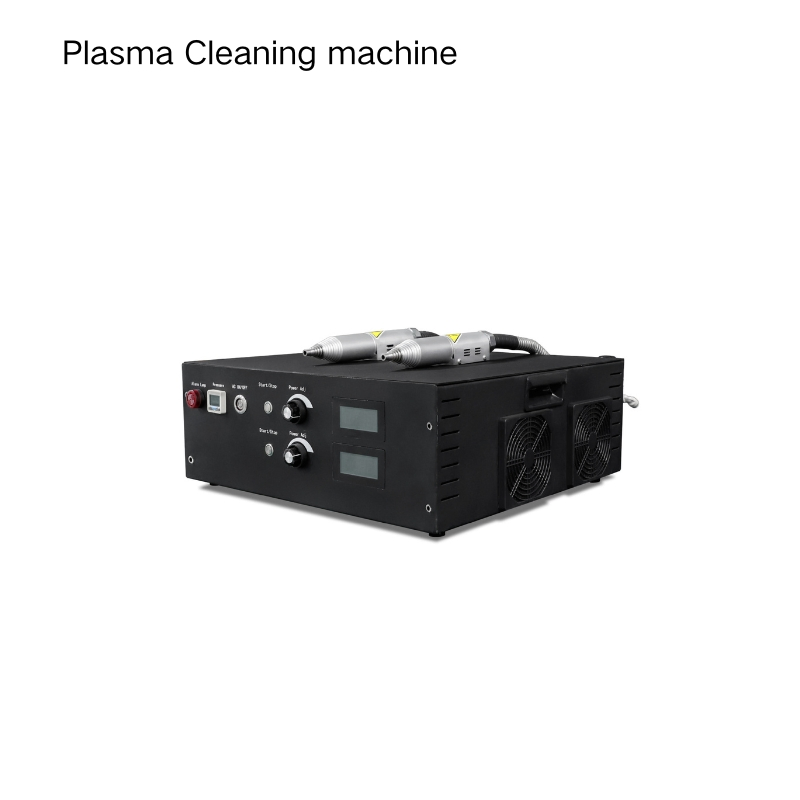
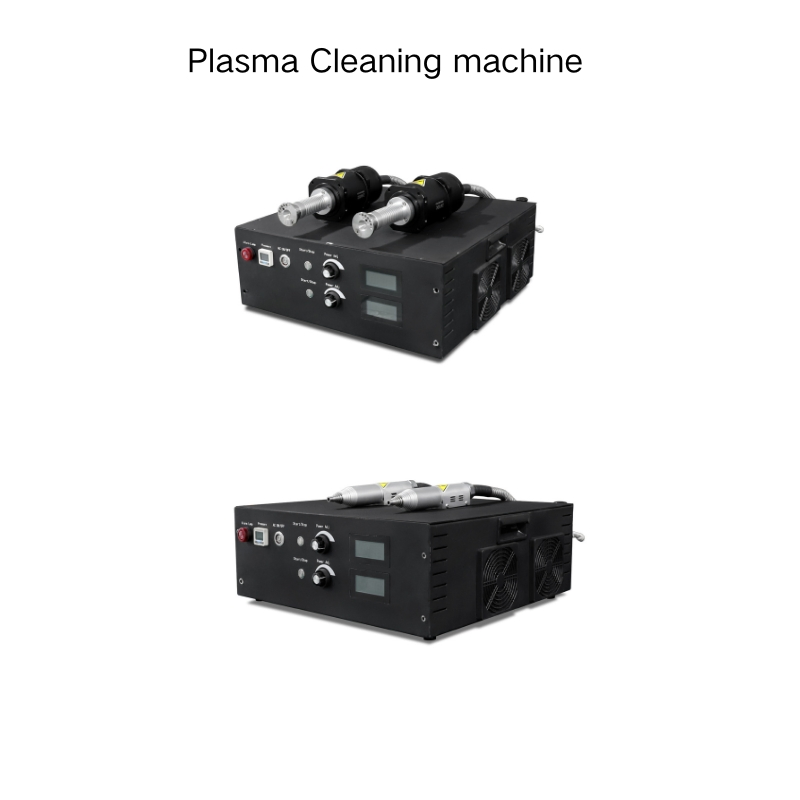
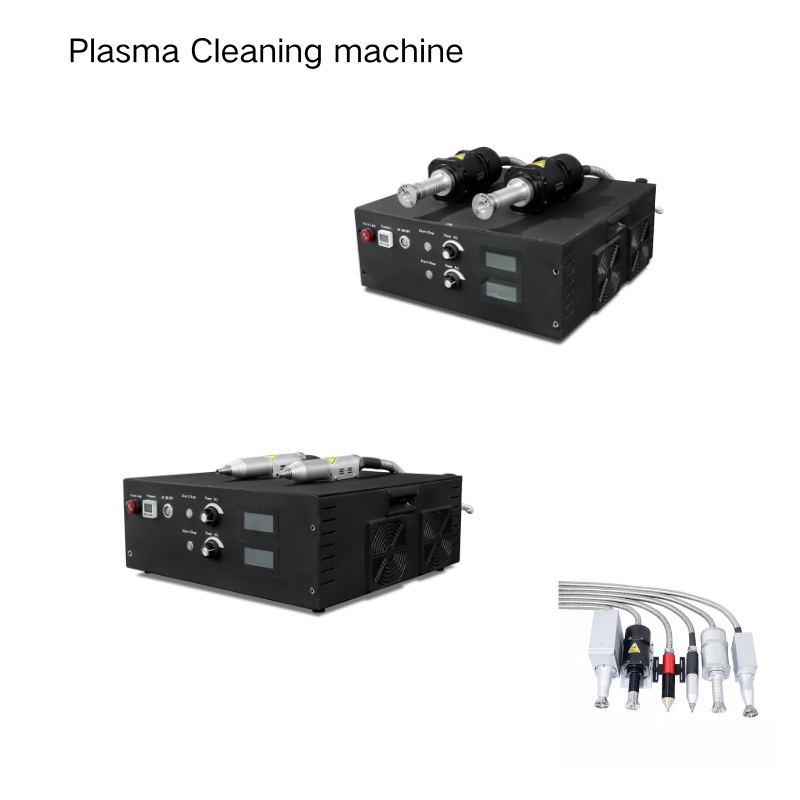
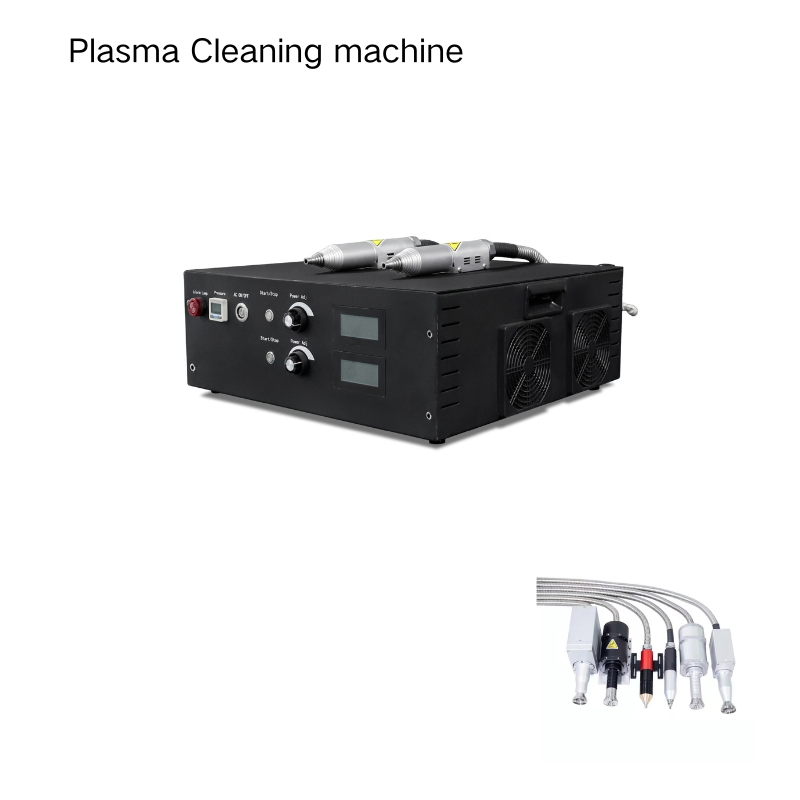
Atmospheric plasma cleaning machine is a product that performs surface cleaning, activation, and etching in a normal pressure environment. It is usually equipped with a spray gun with a high-speed rotating gun head. It mainly processes large-area and complex-shaped materials. It is the "nemesis" of problems such as loose adhesion, loose welding, poor printing, and easy glue drop in various industries. Plasma cleaning is a front-end process for product surface printing, packaging, lamination, coating, welding, gluing, and coating. It is an important link in enterprise product upgrades, capacity expansion, and cost reduction.
Key Features
Compact design with a wide range of professional, efficient, and precise applications.
Seamless integration with production lines to increase operation speed.
Low operating costs using standard compressed air.
Industry-leading full-bridge inverter circuit for stable performance.
Low temperature treatment ensuring high product yield rates.
Environmentally friendly, pollution-free, and long-lasting effects.
Frequently Asked Questions
Q1: What is the primary function of the Atmospheric Plasma Cleaning Machine?
It is designed for surface cleaning, activation, and etching under normal pressure, improving adhesion for printing, gluing, and coating processes.
Q2: Which industries can use this equipment?
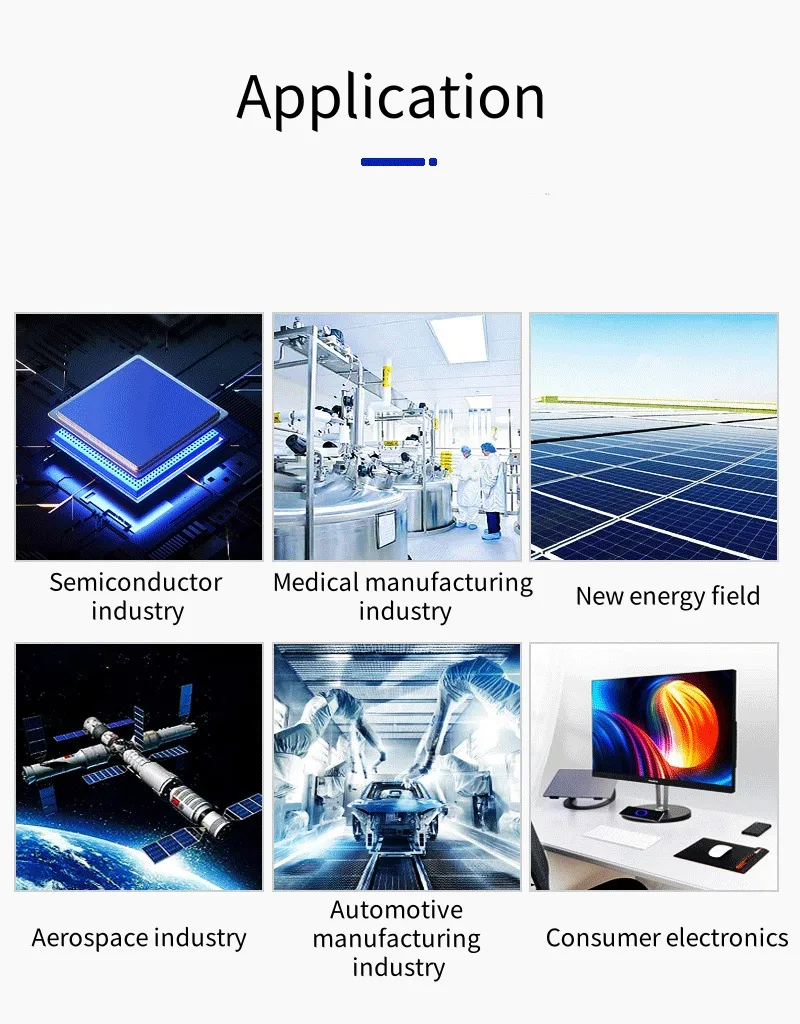
It is widely used in the auto industry, power industry, petrochemicals, mechanical engineering, pharmaceuticals, and the food industry.
Q3: What type of gas is required for operation?
The machine typically uses standard compressed air or Nitrogen (N2) at a pressure of approximately 0.4mpa.
Q4: Can the plasma power be adjusted?
Yes, the plasma power is fully adjustable from 0 to 1000W and features a real-time display for precise control.
Q5: Is the machine compatible with automated production lines?
Absolutely. It features an I/O interface for PLC control, making it easy to integrate into existing automatic production lines.
Q6: What safety protections are included?
The equipment includes overload protection, temperature protection, air pressure monitoring, and short circuit protection for safe operation.
 Blatrixo Machine