Blatrixo Machine Blatrixo Machine

Belt-Driven Continuous Sandblasting System with 8 Blast Guns 700-1500PCS/Hour Output Conveyor Type Sand Blasting Machine

Customization: Available
After-sales Service: Yes
Warranty: Yes

Product Description

Product Overview

Model NO.1
DriveElectric
PrincipleInhaled
ControlCNC
LayoutHorizontal
AutomationAutomatic
KindDry Sandblaster
ConditionNew
CertificationCE, CB, ETL, RoHS, UR
CustomizedCustomized
CleanlinessHigh Cleanliness
ApplicationSurface Treatment
Conveyor Speed0-8m/Min
Blast Gun Qty8-12PCS
Dimensions (W×H)800×400mm
Dust CollectorCyclone + HEPA Filter
Pressure Range5-10kg/Cm²
Power Motor5.5kw 380V/50Hz

Product Description

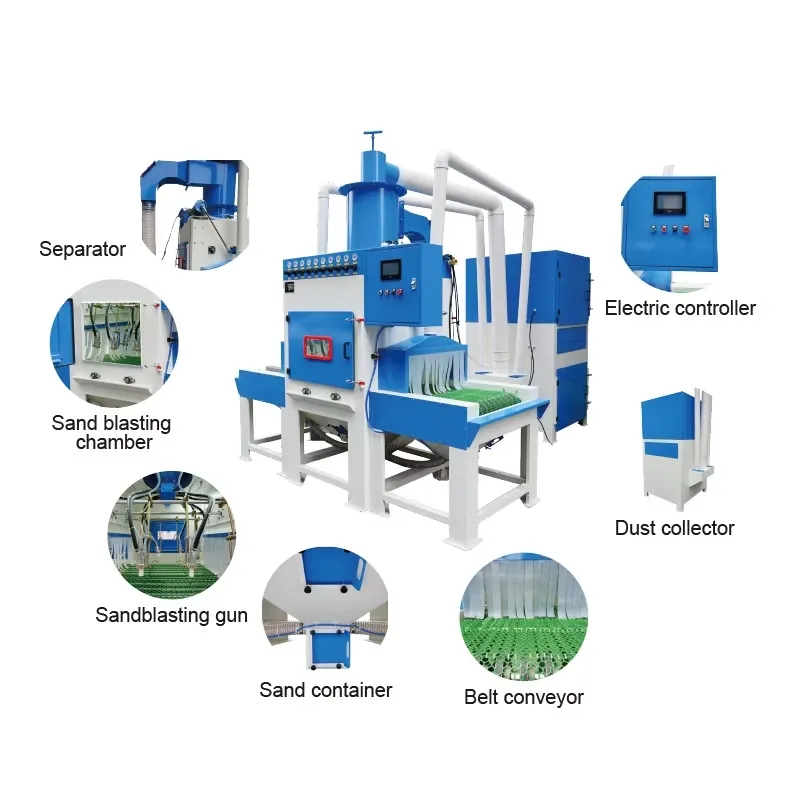
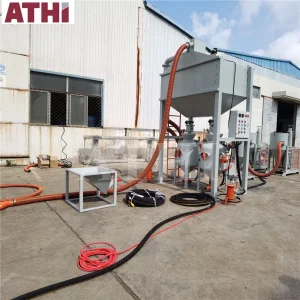
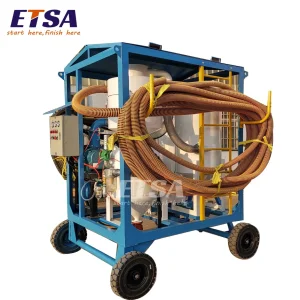
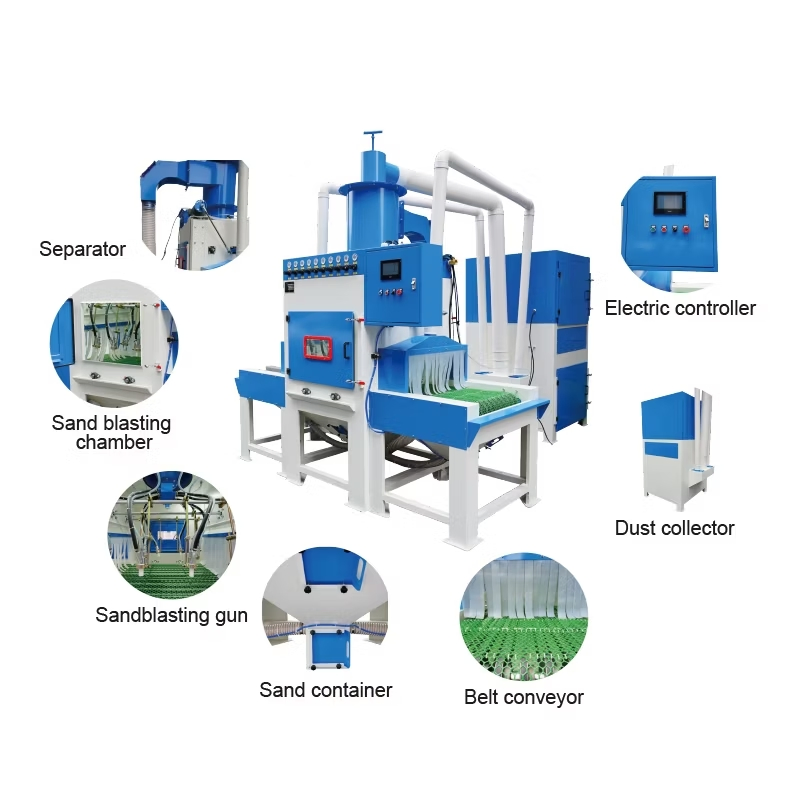
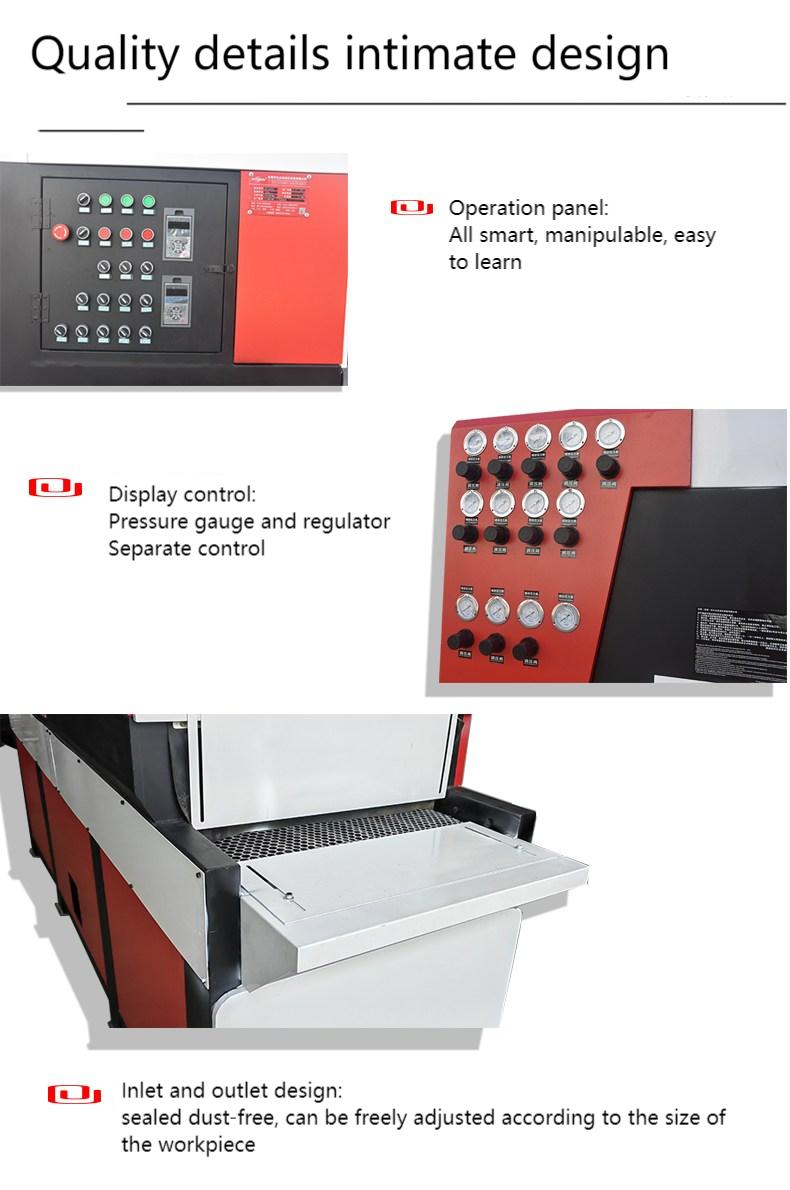
A Conveyor Type Sand Blasting Machine is a continuous surface treatment system that integrates a motorized conveyor belt or crawler mechanism to transport workpieces through a blasting chamber. Equipped with multiple blast guns and automated controls, it uniformly removes rust, paint, or oxides from metal sheets, castings, or flat parts. Variants include belt-driven, chain scraper, and crawler-type models, suitable for high-throughput industrial applications such as automotive manufacturing and metal fabrication.
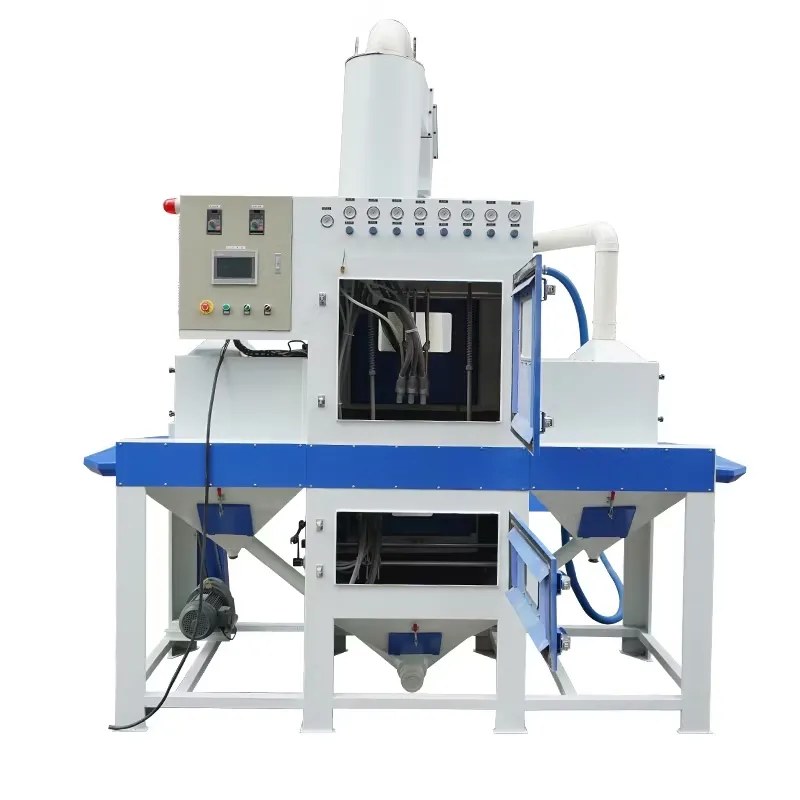
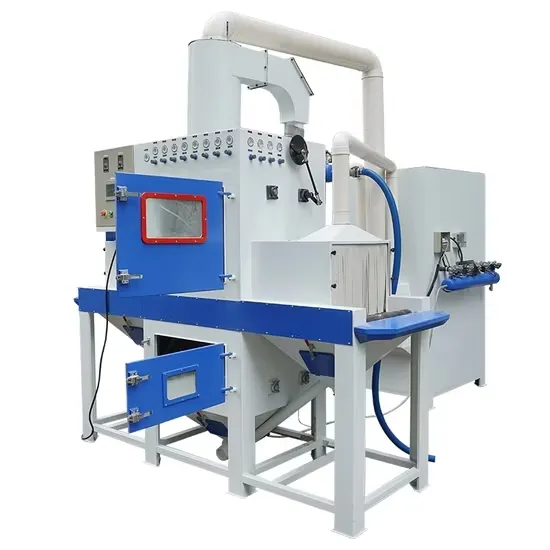
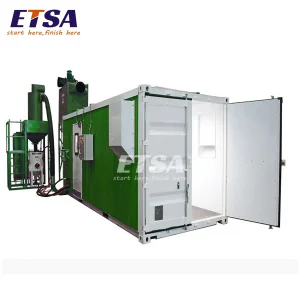
Conveyor Sandblasting System
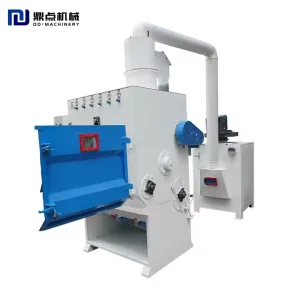
Continuous Sandblasting Machine

Key Advantages

  • Continuous Processing: Achieves 700-1500pcs/hour with uninterrupted workflow.
  • Adaptability: Handles diverse materials (steel, aluminum, ceramics) via adjustable speed and pressure.
  • Durability: HB400 steel construction resists abrasion and corrosion.
  • Eco-Friendly: Cyclone + HEPA filters capture 99.9% airborne particles.
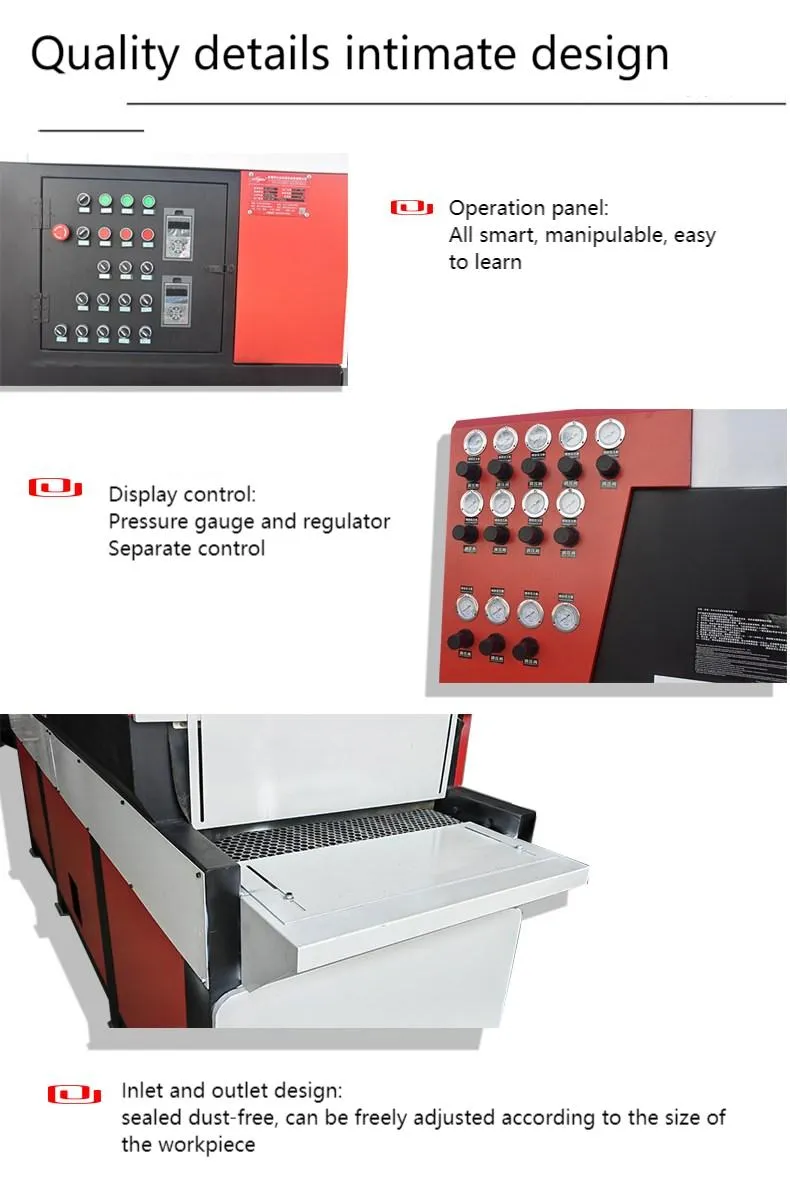
  • Precision: Programmable parameters ensure consistent surface roughness (Ra 0.5-12.5μm).
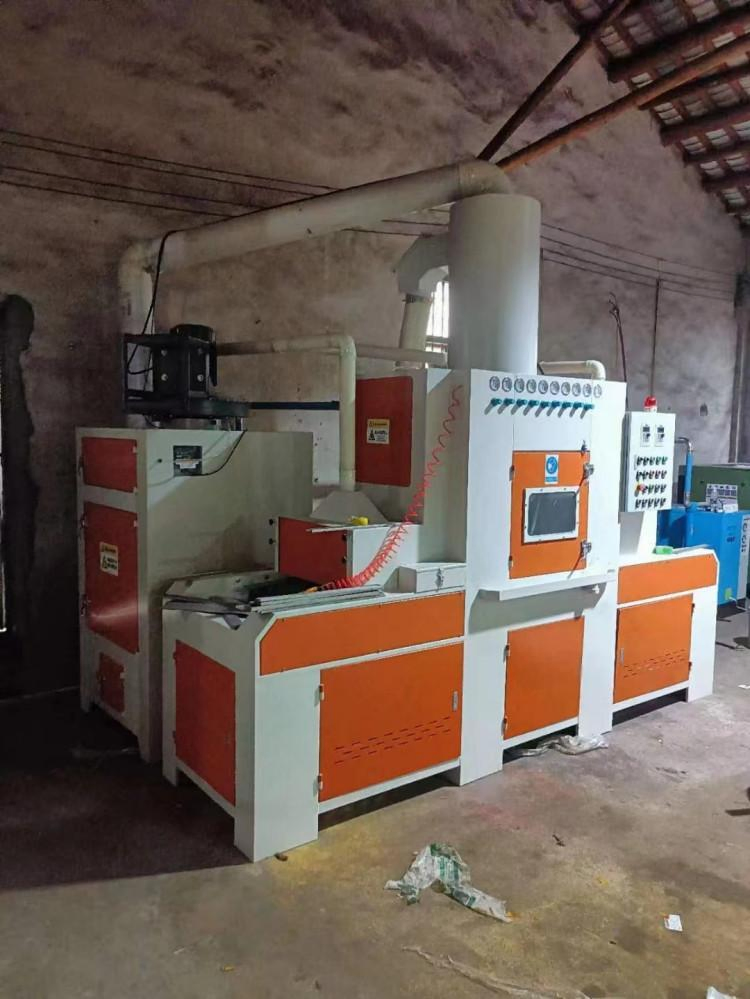
Industrial Sandblasting Application

Typical Applications

  • Automotive: Deburring stamped parts, pre-paint preparation.
  • Construction: Cleaning structural steel beams and plates.
  • Electronics: PCB surface activation for coating adhesion.
  • Foundries: Removing sand residues from cast iron/aluminum parts.
  • Shipbuilding: Hull and deck plate treatment.
Sandblasting Process Diagram
Model Code Structure Example Application
CTS-800AConveyor Type Sandblaster-800mm Width-AutomaticFlat metal sheets
CB-12GConveyor Belt-12 GunsHigh-volume batch processing
CFB-5MCrawler Flat Blaster-5m/min SpeedCasting parts cleaning
PLC-CSBPLC-Controlled Conveyor SandblasterPrecision surface treatment
HDC-2000Heavy-Duty Conveyor-2000mm ChamberShipbuilding plates

Packaging & Shipping

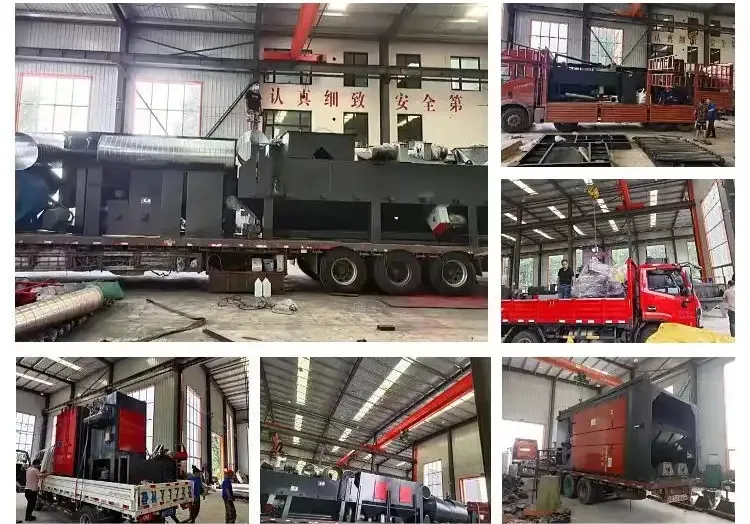
  • Small spare parts secured in plywood wooden cases.
  • Main components packed according to standard industrial requirements.
  • Shipping: Efficient container transport for global delivery.
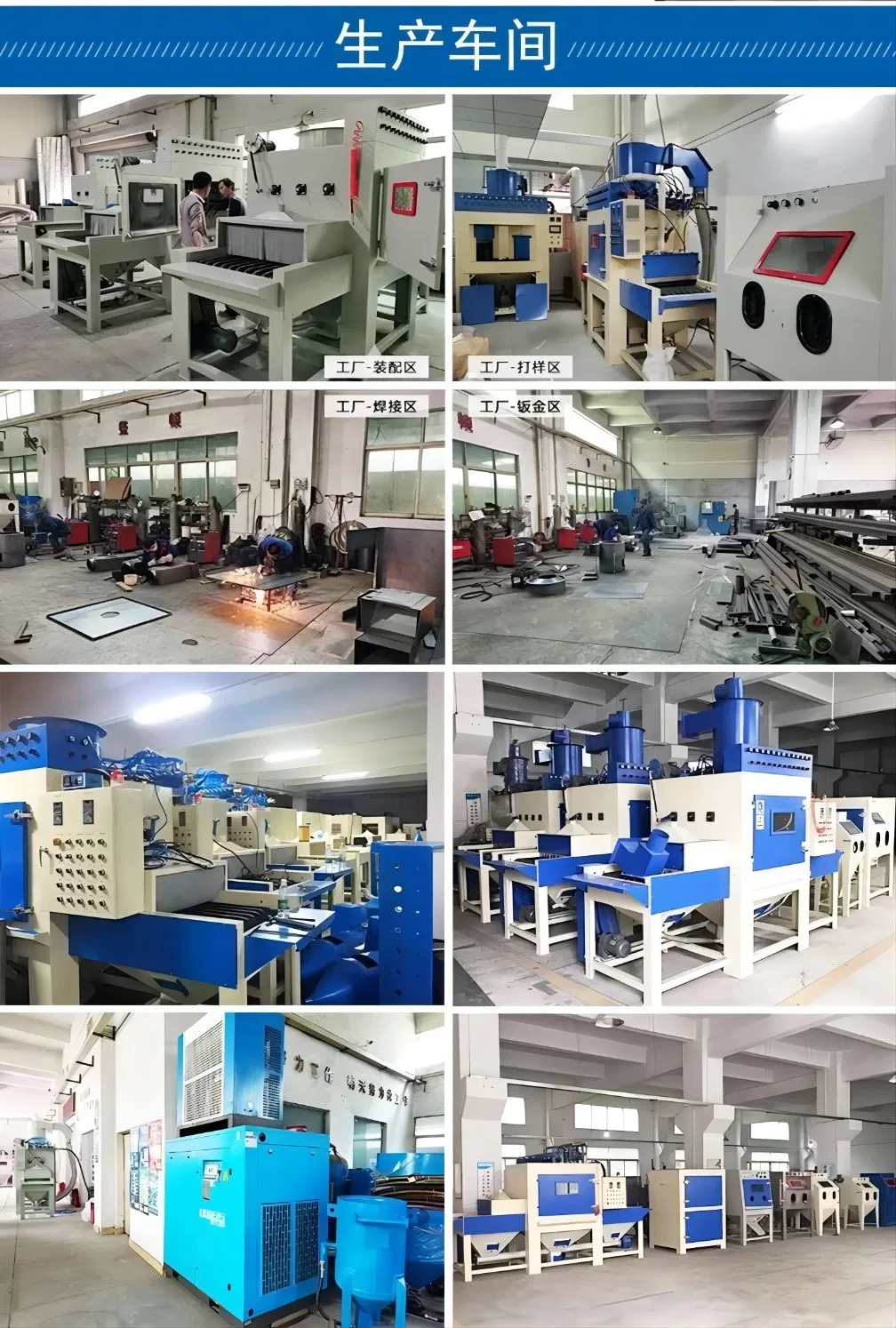
Packaging Process
Shipping Preparation

Frequently Asked Questions

Q1: How does the vacuum suction mechanism work? A: The machine uses a rotary vane pump or liquid ring vacuum pump to generate negative pressure. As air is evacuated, materials are drawn through hoses into a cyclone separator, where particles settle into a collection hopper.
Q2: What materials can it handle? A: It supports dry, non-sticky granules and powders like sand, coal dust, steel grit, and food-grade substances. Liquids require specialized models with spill-proof valves.
Q3: How to maintain filtration efficiency? A: Regularly clean or replace pulse jet filters and inspect cyclone separators for blockages. Use embossed bags for dust-sensitive industries to ensure airtight sealing.
Q4: What are the limitations in transport distance? A: Standard models handle 40-50m horizontal or vertical ranges. For longer distances, booster pumps or high-pressure systems are recommended.
Q5: Can it operate in explosive environments? A: Yes. ATEX-certified models with spark-resistant motors and anti-static hoses are available for hazardous zones such as coal plants.
Q6: What distinguishes industrial models from commercial vacuums? A: Industrial units feature higher suction power (≥0.7 MPa), ruggedized materials like stainless steel, and compatibility with abrasive media, whereas commercial units prioritize portability.

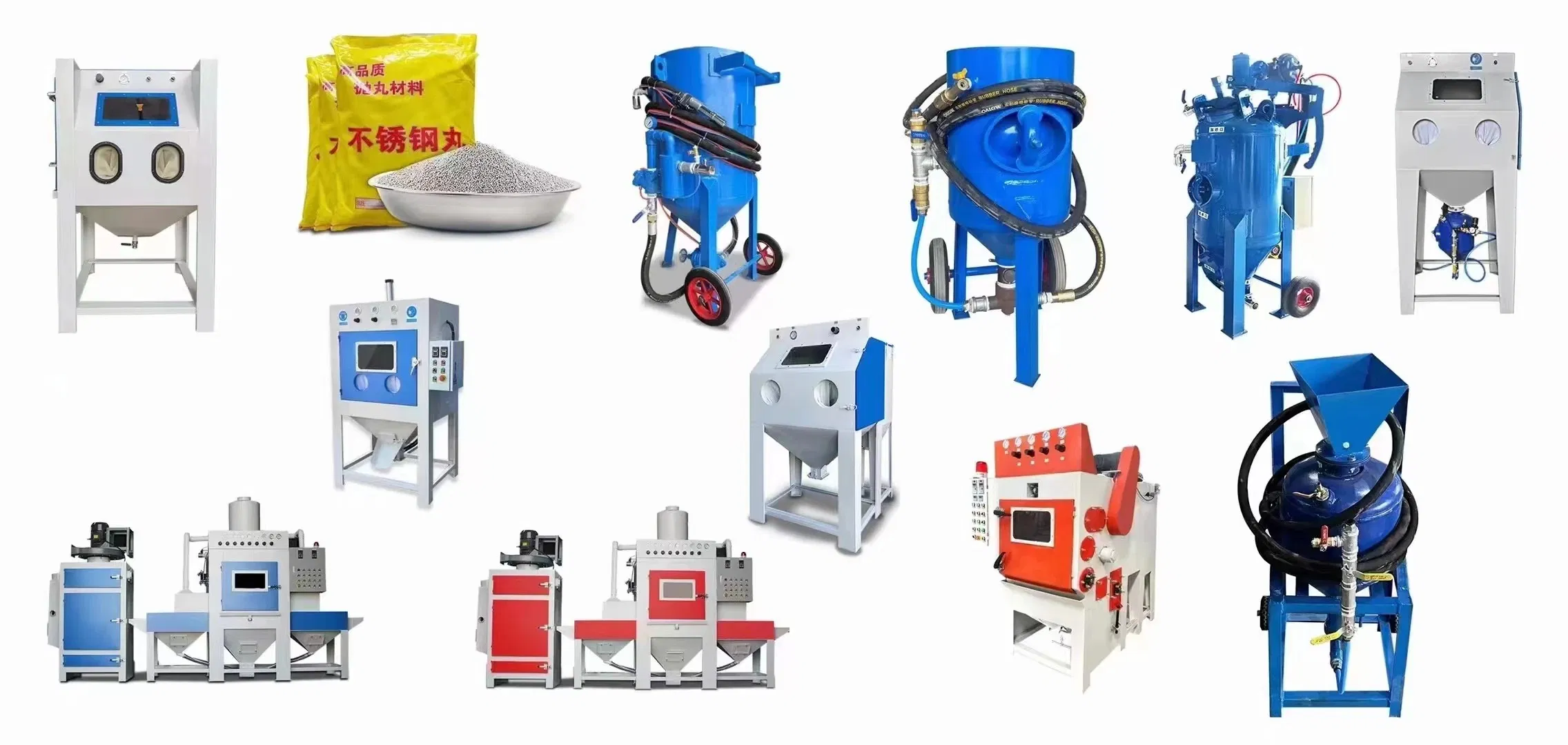
Related Products