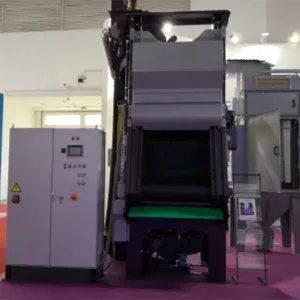
Blatrixo Machine
Blatrixo Machine
Blatrixo Machine
Discover our globally recognized lineup of automated surface treatment systems, abrasive recycling mechanisms, and intelligent blasting enclosures. Tailored for absolute heavy industrial execution.
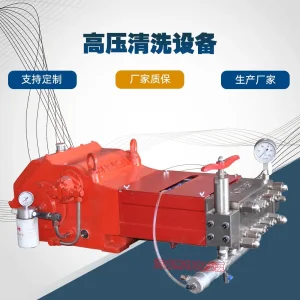
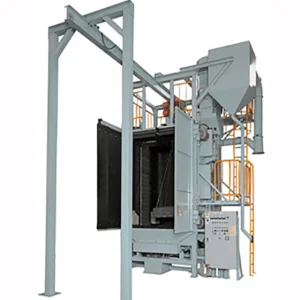
In modern heavy industries—ranging from marine shipbuilding to aerospace manufacturing and infrastructure steel fabrication—surface preparation serves as the foundational parameter determining coating lifecycle, fatigue resistance, and structural longevity. Historically, abrasive blasting operations relied on manual, open-nozzle systems with inconsistent output, high media consumption, and substantial environmental hazards. The transition to automated blasting control systems represents a critical shift towards precision manufacturing.
As a premier designer and manufacturer, Ningbo Blatrixo Machinet Co., Ltd. (strategically situated within the Qingdao West Coast New Area) has spearheaded this technological shift. Collaborative developments alongside the prestigious China Foundry and Forging Research Institute have allowed for the systematic integration of Programmable Logic Controller (PLC) systems, multi-axis motion controls, and intelligent media reclamation loops. These integrated platforms regulate parameters such as blast velocity, media mass-flow rate, atmospheric dew point, and filter-cartridge differential pressures in real time.
Utilizing industrial Ethernet networks (Profinet/Modbus TCP) to connect remote sensor arrays, variable frequency drives (VFDs), and proportional pneumatic valves for microsecond response profiles.
Closed-loop reclamation mechanisms, such as our high-pressure 30t/H recovery trucks, automatically separate metallic media from pulverized slag and fine particulates via multi-deck rotary screens.
Intelligent cartridge dust collection systems featuring automatic differential pressure pulse-jet cleaning, maintaining sub-10mg/m³ emission levels in compliance with global standards.
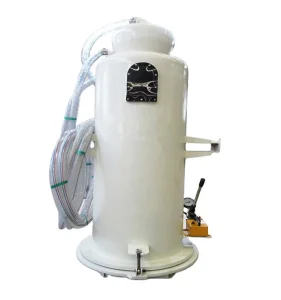
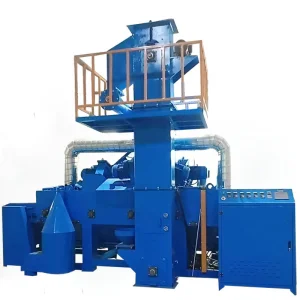
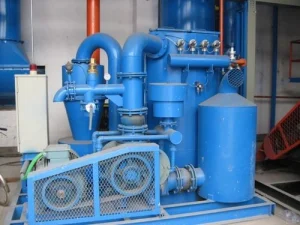
Industrial recovery systems must balance heavy pneumatics with complex control algorithms. In massive foundry environments or large-scale shipyard infrastructure projects, a key challenge is the continuous collection and cleaning of abrasive media. Traditional mechanical conveyors are prone to mechanical blockages and high wear rates. High-performance recovery equipment, exemplified by our High-Pressure 30t/H Steel Shot Recovery Truck PLC Control System, utilizes a custom-engineered pneumatic vacuum receiver coupled with an integrated air filtration matrix.
The pneumatic transport system draws spent media (e.g., steel shot, aluminum oxide, or garnet) from the blast floor hopper directly into a high-capacity cyclone separator. Within this cyclone chamber, structural velocity dynamics drop the heavier reusable steel shot into a secondary rotary screen separator, while air-suspended micro-dust is channeled to the cartridge collector. Our PLC logic uses analog level sensors to monitor hopper levels, automatically adjusting the intake valve positioning to prevent line choking while maximizing media mass transfer up to 30 metric tons per hour.
Below, we demonstrate the performance benchmarks comparing traditional manual mechanical recovery lines with our automated PLC-controlled suction truck systems:
| Operational Parameter | Traditional Manual/Mechanical Recovery | Blatrixo Automated PLC Vacuum Recovery | Efficiency Gain / ROI Impact |
|---|---|---|---|
| Max Recovery Capacity | 3 - 5 Tons/Hour | Up to 30 Tons/Hour | +500% throughput increase |
| Media Separation Accuracy | Manual screening, high contamination rate | 99.8% purity (Rotary Air Wash) | Reduced nozzle wear, stable blast impact |
| Power Consumption Regulation | Constant high draw (direct-on-line motors) | VFD closed-loop feedback based on load | 30% reduction in plant utility overhead |
| System Airborne Dust Density | >50 mg/m³ (high environmental hazard) | <8 mg/m³ (HEPA filtration integrated) | Full OSHA / EU compliance for green factories |
Ningbo Blatrixo Machinet Co., Ltd. continuously refines its engineering designs to support digital transformation in heavy industry. The modern blasting cabinet or abrasive room is no longer an isolated mechanical cell, but rather a node within a connected enterprise network.
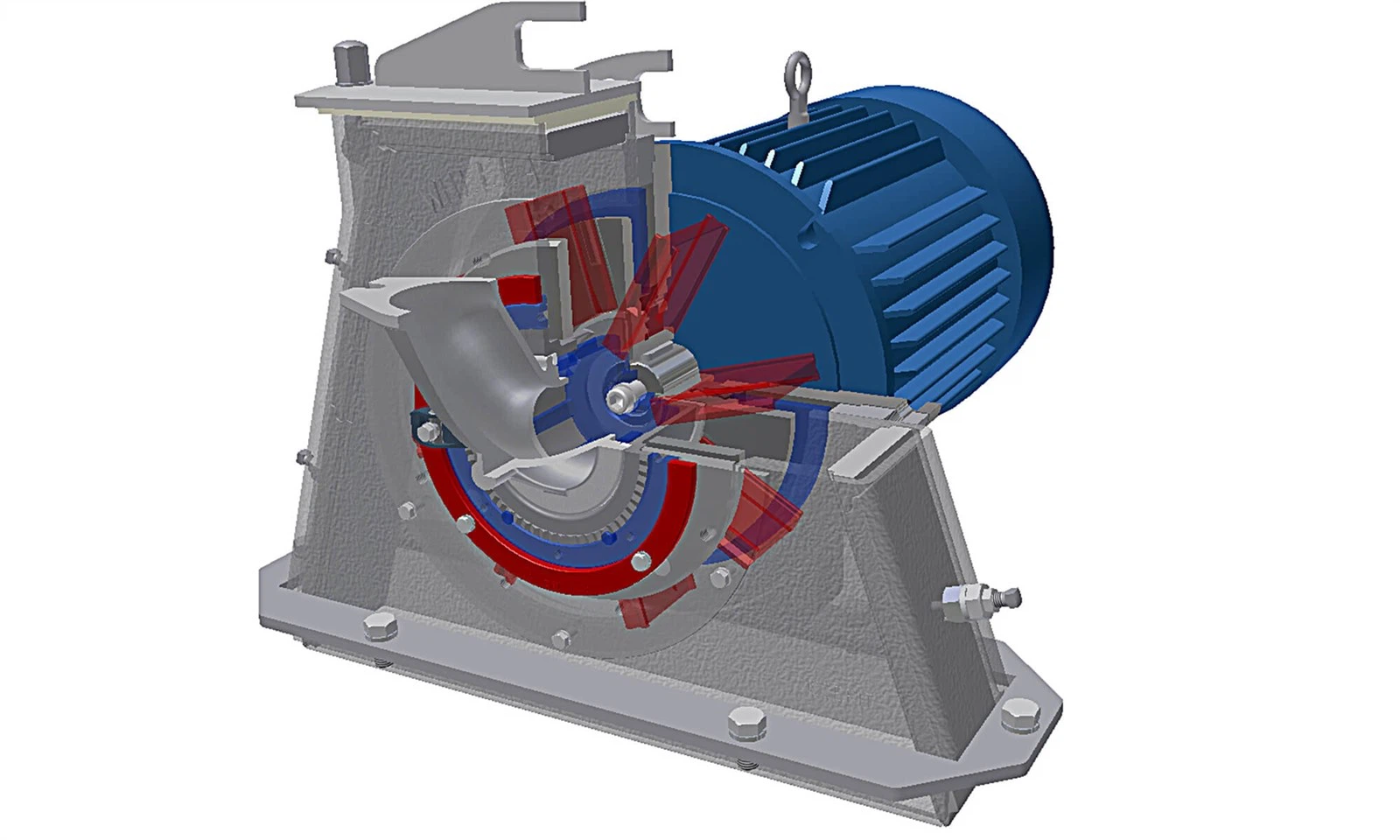
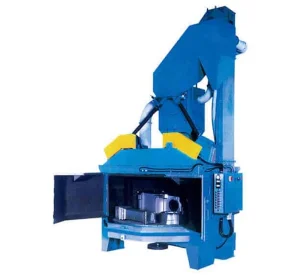
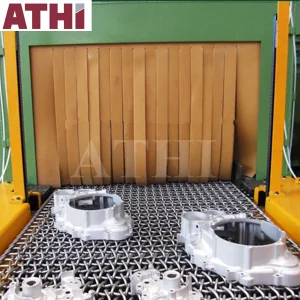
Our R&D roadmap focuses on integrating structural acoustic arrays inside the blast cabinet. When high-pressure centrifugal impellers, like those in our Centrifugal Die Casting Shot Blasting Machine, discharge steel media at speeds exceeding 80 m/s, the wear on internal manganese liner plates is substantial. By deploying sensor networks that feed structural vibration data back to the central PLC, the blast line can forecast liner failure points up to two weeks in advance.
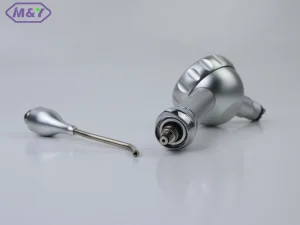
Additionally, the integration of advanced surface technologies—such as our Direct Spray Plasma Treatment Equipment—complements traditional abrasive media cleaning. While shot blasting prepares large-scale steel profiles and structures, direct spray plasma cleaners modify surface tension on polymer materials at the molecular level, ensuring adhesion for aerospace and automotive assemblies.
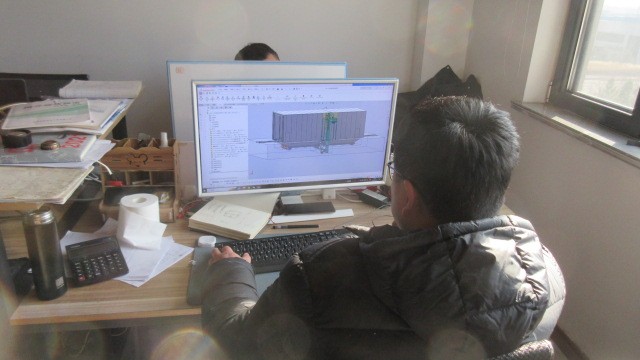
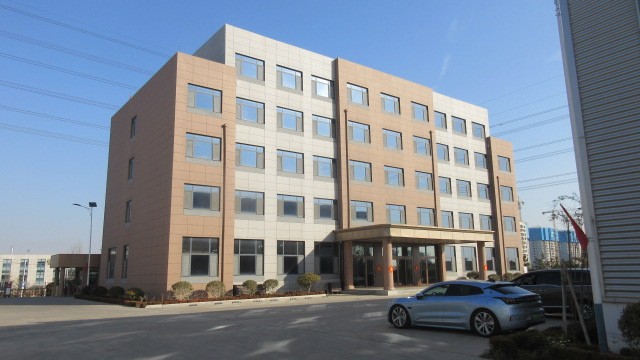
The manufacturing ecosystem of Ningbo Blatrixo Machinet Co., Ltd. operates in the West Coast New Area of Qingdao, a key hub for maritime commerce and industrial metallurgy. Partnering with the China Foundry and Forging Research Institute gives us direct access to advanced alloy formulas, thermodynamic simulations for impeller blades, and advanced finite element analysis (FEA) protocols for pressure vessels.
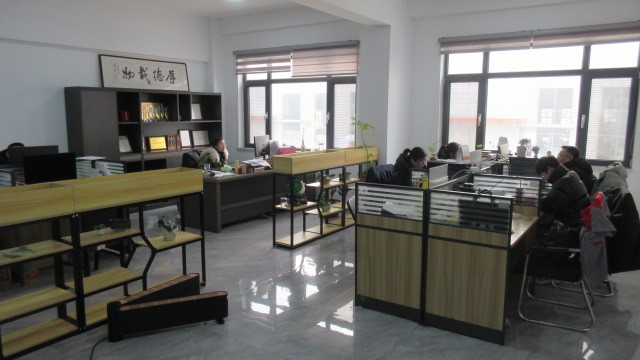
This strong local network allows us to source raw materials, design high-pressure control cabinets, test centrifugal wheels, and manufacture complex dust control components under one quality system. The result is improved cost efficiency and shorter production cycles compared to fragmented regional suppliers.
Blasting operations vary widely depending on local climate conditions and regional environmental regulations. For example, a shipyard conveyor line operating in high-humidity coastal regions faces different challenges than a pipe-coating facility in dry, high-temperature inland areas.
In high-humidity coastal zones like Singapore or the US Gulf Coast, air humidity can cause fine steel abrasives to clump, leading to blockages in blast hoppers. To address this, our automated PLC control systems integrate humistat sensors and heating loops that pre-heat the abrasive media storage silo, preventing moisture buildup.
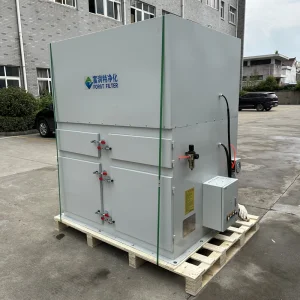
Conversely, in desert locations, fine dust mitigation is the primary challenge. To manage this, we program our pulse-jet dust collectors, like the Forst Horizontal Sand Blasting Dust Collector System, with custom pulse durations and frequencies designed for high particulate loads, protecting the air quality in surrounding areas.
Our engineering team designs all equipment to comply with international manufacturing standards, including CE directives, European ATEX regulations for explosive dust environments, and American OSHA rules for industrial air quality and noise control.
Technical insights into PLC blasting configurations, air flow calculations, and system maintenance.
Explore our heavy-duty blasting systems designed for large-scale steel profiling, casting reclamation, and precise surface preparation.
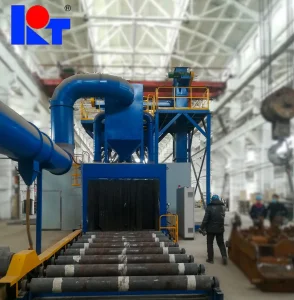
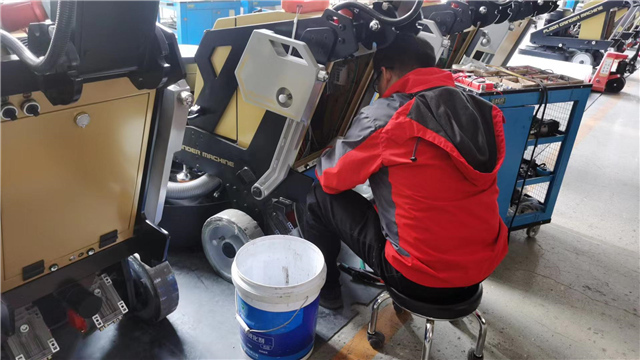
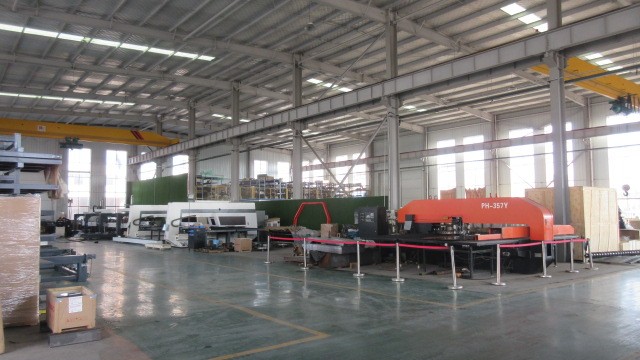
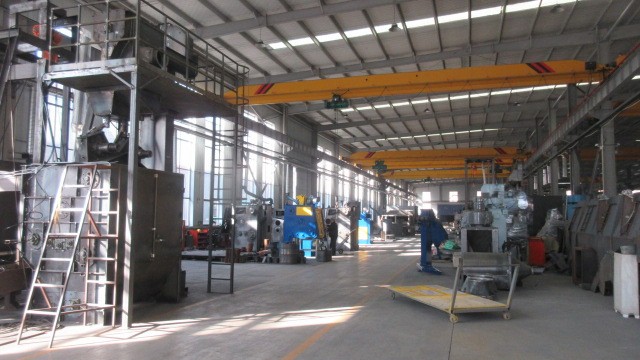
At our assembly facilities in Qingdao and Ningbo, we apply rigorous quality control processes to every system we build. This includes welding verification on blast rooms, dynamically balancing shot wheels, and testing PLC control panels before shipment.