Proper preparation is vital for any painting project, especially when working with metal surfaces. Experts often ask the question, "why do metal surfaces require cleaning before painting?" According to John Smith, a renowned industrial coatings specialist, “A clean surface is the foundation for a lasting finish.” Contaminants like dust, grease, and rust can significantly affect the adhesion of paint.
Neglecting to clean these surfaces can lead to peeling and bubbling, ultimately compromising the quality of the finish. It’s not just a matter of aesthetics; it affects the longevity of the coating. Cleaning removes barriers that could prevent paint from properly bonding to the metal, ensuring that the paint adheres smoothly and evenly.
In practice, even with the best intentions, many overlook this critical step. Rushing through the cleaning process can result in a project that needs to be redone later. Taking the time to understand "why do metal surfaces require cleaning before painting" can lead to better outcomes and fewer headaches down the line.
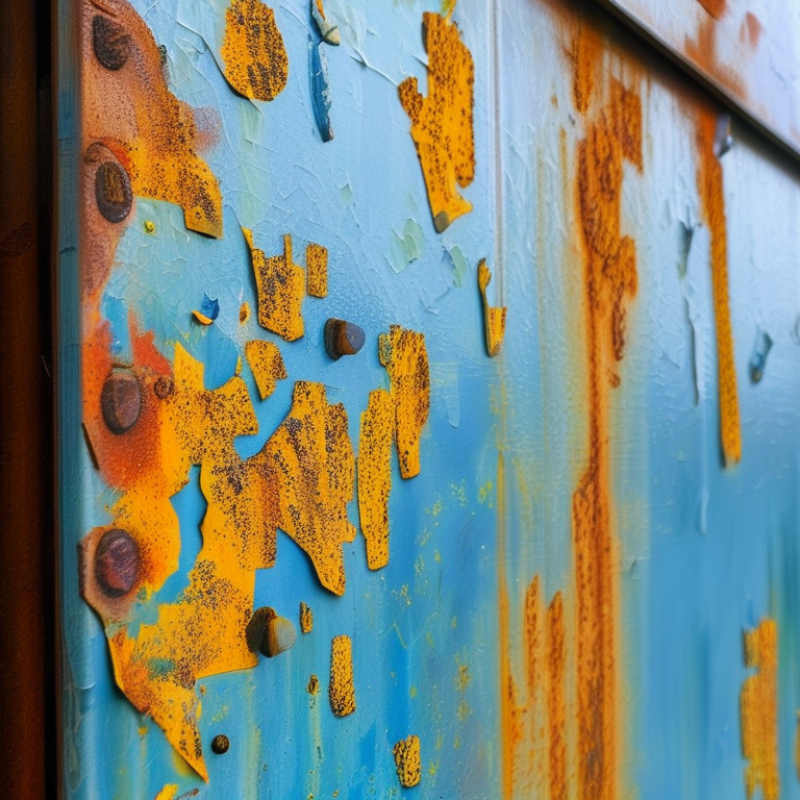
Importance of Clean Metal Surfaces in Painting Process
Cleaning metal surfaces before painting is essential. It ensures the paint adheres properly, creating a long-lasting finish. Dust, grease, and rust can create barriers between the metal and the paint. Even a small amount of dirt can ruin the aesthetic and protective qualities of the paint.
A clean surface allows for even coverage and a smoother application. When surfaces are neglected, the results can be disappointing. Paint can chip or peel, leading to costly repairs. Often, people underestimate the importance of preparation. They might think a quick wipe is enough, but thorough cleaning is crucial.
Techniques for cleaning include sanding, scrubbing, or using solvents. These methods help remove contaminants effectively. However, not everyone does it correctly. This oversight can lead to frustration down the line. So, taking the time to clean and prepare is well worth it. Inpainting, preparation really matters.
Common Contaminants Found on Metal Surfaces
Cleaning metal surfaces before painting is crucial for achieving the best results. Common contaminants can lead to poor adhesion and finish. These substances may include dust, grease, rust, and old paint residues. Each type of contaminant poses unique challenges. For instance, grease can create a slippery barrier, preventing paint from sticking. Dust can form an uneven texture, causing imperfections in the final coat.
Rust is particularly problematic. It not only affects appearance, but it can also compromise the metal's structural integrity. Ignoring rust can lead to future peeling or bubbling of paint, resulting in costly repairs. Old paint residues can cause adhesion failures, making the new coat prone to chipping. When preparing a surface, it's essential to thoroughly inspect for these contaminants. A soft cloth may remove dust, but tougher methods, like sandblasting, may be necessary for rust.
Cleaning requires effort and diligence. Many people underestimate the amount of preparation needed. It's easy to overlook a small patch or assume a surface looks clean without inspection. However, these oversights can lead to disappointing outcomes. Investing time in proper cleaning can save resources in the long run, ensuring a durable and attractive finish.
Techniques for Effectively Cleaning Metal Before Painting
Preparing metal surfaces for painting is crucial for achieving a high-quality finish. One effective technique is abrasive blasting. This method removes rust and contaminants, providing a clean surface. According to a study by the Fabricators & Manufacturers Association, companies that use this method report a 30% reduction in paint failure rates. The process can be aggressive, so careful control is needed to avoid damaging the metal.
Power washing is another prominent technique. High-pressure water removes dirt and old paint layers. Statistics from the American Coatings Association indicate that pre-paint cleaning can increase adhesion by up to 50%. However, it can be ineffective in eliminating heavy grease. Sometimes, additional cleaning agents are required, reflecting the need for a comprehensive approach to surface preparation.
Using chemical cleaners is also common. These products target specific contaminants, enhancing the cleaning process. However, improper application can lead to residue issues that affect paint adhesion. Experience shows that attention to detail, like thorough rinsing, can prevent these problems. It’s vital to evaluate the cleaning method based on the type of metal and its condition. Balancing aggressiveness and care is key to achieving the best painting outcomes.
Impact of Surface Preparation on Paint Adhesion and Durability
Proper surface preparation is crucial for ensuring optimal paint adhesion and durability on metal surfaces. According to industry studies, almost 90% of paint failures are attributed to inadequate surface cleaning. Contaminants such as oils, dust, and rust can create barriers. These barriers lead to weak adhesion and premature paint failure.
Surface preparation techniques, such as sandblasting or chemical cleaning, can significantly enhance the bonding strength of the paint. Reports indicate that surfaces prepared by sandblasting exhibit a nearly 40% increase in adhesion compared to untreated surfaces. However, improper or rushed cleaning methods can introduce new issues. For instance, excessive sanding may cause microscopic scratches, which can trap contaminants, creating a breeding ground for rust.
It's essential to recognize that every project presents unique challenges. Environmental factors, like humidity and temperature, can impact cleaning effectiveness and paint application. Industry experience suggests conducting tests on small areas before full application. Monitoring these variables can pave the way for better results, ensuring that the effort put into cleaning translates into a durable and aesthetically pleasing finish.
Why Clean Metal Surfaces Before Painting for Best Results? - Impact of Surface Preparation on Paint Adhesion and Durability
| Surface Preparation Method |
Impact on Adhesion (%) |
Durability (Years) |
Common Uses |
| Sandblasting |
90% |
10+ |
Industrial machinery, structures |
| Chemical Cleaning |
80% |
5-7 |
Automotive, metal furniture |
| Degreasing |
75% |
3-5 |
Appliances, tools |
| Hand Scraping |
70% |
2-4 |
Small parts, fine detail |
Best Practices for Maintaining Clean Metal Surfaces During Painting
Cleaning metal surfaces before painting is crucial for achieving optimal results. Contaminants can lead to poor adhesion, causing paint to peel or blister. According to industry reports, up to 50% of paint failures stem from insufficient surface preparation. Proper cleaning methods significantly enhance the bond between the metal and paint, ensuring durability and a professional finish.
To maintain clean metal surfaces during painting, proper techniques are essential. One effective approach involves using solvents or degreasers specifically designed for metal. This removes grease, oil, and grime. After cleaning, always allow the surface to dry completely. Additionally, the environment plays a vital role; ensure adequate ventilation and low humidity levels. Dust can settle quickly, contaminating surfaces even after cleaning.
Tip: Use lint-free cloths to avoid leaving fibers that could affect the finish.
Another best practice is to inspect the surface regularly while painting. This helps identify any dirt or residue that may have accumulated. Quick touch-ups can prevent larger issues later. Stay organized and maintain your cleaning supplies close at hand.
Tip: Keep a clean brush or roller for each stage of the project to minimize cross-contamination.
Impact of Surface Cleanliness on Paint Adhesion
This chart illustrates the correlation between surface cleanliness and paint adhesion strength. As the cleanliness of the metal surface decreases, the adhesion strength of the paint significantly diminishes, highlighting the importance of cleaning metal surfaces prior to painting.
FAQS
: Cleaning is vital for ensuring good adhesion and a quality finish. Contaminants can lead to issues like peeling.
Common contaminants include dust, grease, rust, and old paint residues. Each poses unique challenges for painting.
Rust can compromise the metal's integrity. It may cause peeling or bubbling in the paint over time.
Abrasive blasting is effective for rust removal. However, it requires careful control to avoid damaging the metal.
High-pressure washing removes dirt and old paint layers. It can increase paint adhesion significantly but may not remove heavy grease.
Chemical cleaners target specific contaminants. Proper application is key to avoid residue issues that affect adhesion.
Always allow the surface to dry completely. Moisture can affect paint adhesion and finish quality.
Regularly inspect the surface while painting. Quick touch-ups can minimize issues before they escalate.
Use lint-free cloths to avoid leaving fibers that could affect the finish of the paint.
People often underestimate the effort needed for thorough cleaning. Small oversights can lead to disappointing results.
Conclusion
When considering the painting of metal surfaces, understanding "why do metal surfaces require cleaning before painting" is crucial to achieving optimal results. Clean metal surfaces ensure that paint adheres properly, leading to enhanced durability and longevity of the finished product. Common contaminants such as oil, grease, rust, and dust can compromise paint adhesion, resulting in peeling or chipping over time.
To effectively clean metal surfaces, techniques such as solvent cleaning, abrasive blasting, and using specialized detergents are essential. Proper surface preparation not only improves adhesion but also prevents issues related to corrosion and deterioration. Additionally, maintaining clean surfaces during the painting process through best practices can further enhance the overall quality of the paint application, ensuring a smooth and long-lasting finish. Ultimately, investing time in cleaning metal surfaces prior to painting pays off in both appearance and performance.
 Blatrixo Machine
