Blatrixo Machine
Uneven surface treatment results can be frustrating. They can hinder the performance of your work. Understanding how to troubleshoot uneven surface treatment results is crucial for achieving optimal outcomes.
Common issues arise due to various factors such as material inconsistencies, equipment mishandling, and environmental influences. Each aspect plays a role in the final appearance and functionality. For instance, mismatched coating thickness can lead to patchiness. These flaws demand attention and strategic solutions.
By analyzing your processes, you can identify key problem areas. Experience tells us that refining techniques and adjusting parameters can yield significant improvements. Seeking expert advice when necessary adds credibility to your approach. Even seasoned professionals may encounter setbacks. Continuous learning and adaptation are essential in this field. Let's explore practical ways to enhance your surface treatment success and achieve consistency.
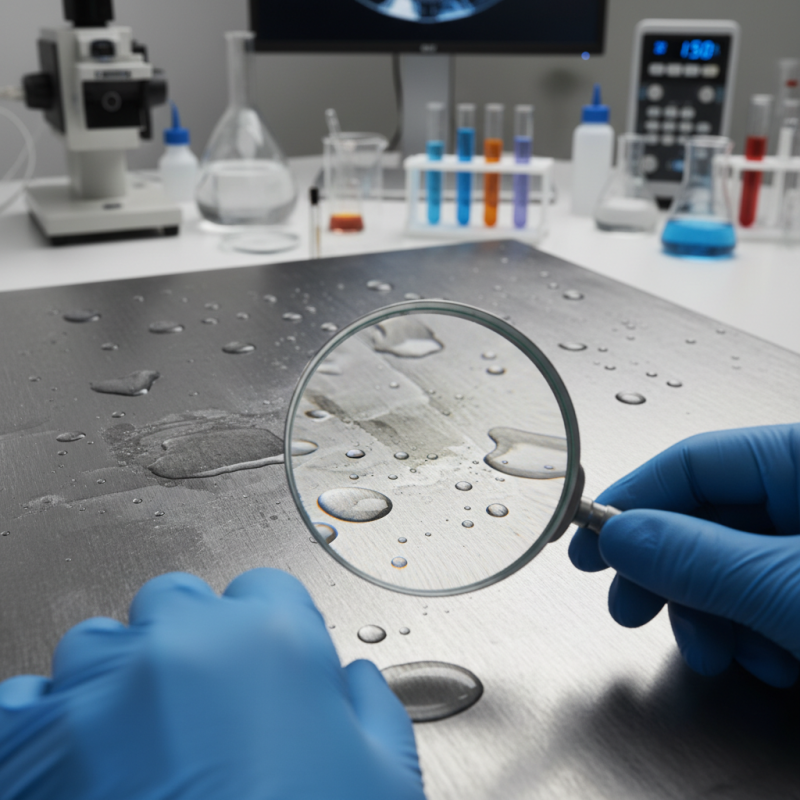
Uneven surface treatment results can be frustrating. They often stem from several common issues. Proper identification of these causes is essential for resolution.
One frequent cause is inconsistent application techniques. If the coating thickness varies, it can lead to patches or streaks. Work quickly and consistently to avoid this pitfall. Environmental conditions also play a significant role. High humidity or extreme temperatures can alter drying times and finish results. Monitoring these factors can improve outcomes.
Another issue is inadequate surface preparation. Dust, oil, or moisture on the surface can prevent proper adhesion. Always clean and inspect surfaces before treatment. Lastly, product quality can't be overlooked. Using outdated or improperly stored materials may result in uneven finishes. Awareness of these factors is crucial for achieving better results.
Achieving a smooth surface in treatment processes requires careful evaluation of preparation techniques. Many factors can affect the outcome, leading to uneven results. It's crucial to assess the initial surface conditions before beginning treatment. Poorly prepared surfaces can result in inconsistent adhesion or finish.
A key step is surface cleaning. Dust, oils, and residues can impede treatment effectiveness. Use appropriate solvents or cleaners, and ensure thorough drying. Some technicians overlook this step, leading to flawed results. Also, consider the method of application. Brush strokes or uneven spraying can create visible marks. Testing on scrap materials can reveal issues before the main project.
Different substrates require specific prep methods. Each material has its nuances. For instance, wood needs sanding while metal may need etching. Take time to understand these details. Ignoring surface preparation can lead to disappointment in the final appearance. Without attention to preparation, even the best treatment techniques may fail.
| Preparation Technique | Effectiveness Rating (1-5) | Common Issues | Recommended Solutions |
|---|---|---|---|
| Sanding | 4 | Grit marks, uneven texture | Use finer grit, ensure even pressure |
| Chemical Etching | 5 | Inconsistent reactions | Test small areas first, control exposure time |
| Power Washing | 3 | Surface damage, marks left | Adjust pressure settings, keep distance |
| Mechanical Buffing | 4 | Swirl marks, overheating | Use polishing pads, monitor temperature |
| Priming | 5 | Poor adhesion, bubbling | Ensure surface is clean, use compatible primer |
Selecting the right materials is crucial for achieving consistent coating quality. Research indicates that approximately 30% of uneven surface treatment results stem from improper material selection. These disparities often arise from variations in material viscosity, temperature sensitivity, and adhesion properties.
For instance, using a high-viscosity coating in a complex application may lead to uneven coverage. Industry data reveals that 20% of professionals encounter adhesive failures due to incompatible substrates. This highlights the importance of conducting thorough compatibility tests before application. Understanding how materials interact can help avoid costly errors.
Additionally, environmental factors cannot be overlooked. Humidity and temperature fluctuations can affect curing times and finish quality. While companies strive for efficiency, they often rush through material assessments. Consequently, they may overlook specific environmental conditions vital for application success. Taking time to analyze both material selections and environmental influences is essential for improving coating consistency.
Achieving uniform results in surface treatment requires attention to application methods. Consistency is key, as variations can lead to unexpected outcomes. Industry reports indicate that improper application can increase waste by up to 30%. This impacts not only the budget but also project timelines.
To implement proper application methods, begin with surface preparation. Ensure surfaces are clean and dry. This can prevent uneven adhesion, often a primary cause of inconsistencies. According to a recent survey, 45% of professionals identified inadequate surface prep as a frequent issue. When prepping, use the right tools. Different surfaces may require brushes, rollers, or sprayers, each affecting the final result.
Monitoring environmental conditions is crucial. Temperature and humidity can drastically alter the application process. In controlled studies, temperatures above 90°F resulted in problems for over 55% of participants. Adjust your technique based on these variables. Flexibility in approach can lead to improvements. Reflect on past projects for insights. Continuous learning in this area enhances reliability in results.
Post-treatment inspections are essential for ensuring quality assurance in surface treatment processes. After applying a treatment, checking for inconsistencies and imperfections is vital. Uneven surfaces can result from various factors, including incorrect application techniques. These flaws can affect the durability and performance of the finished product. A thorough inspection allows teams to identify issues early on.
During inspections, it's crucial to look for specific signs of unevenness. Visual and tactile assessments can reveal discrepancies that might not be evident at first glance. Using tools like a straightedge or level can help assess flatness accurately. In addition, applying light pressure can show surface irregularities, often missed in routine checks. Being meticulous in this phase empowers teams to make necessary adjustments or repeat applications when needed.
However, it's common to overlook subtle imperfections. Often, teams assume that a treatment is satisfactory based on initial observations. This assumption can lead to bigger problems later. Continuous education and practice in inspection methods are necessary for improvement. Emphasizing a culture of quality assurance promotes better standards and reduces the likelihood of uneven results in the future.
: Material selection impacts coating consistency. Poor choices can cause uneven surfaces, affecting performance.
Approximately 30% of uneven surfaces result from improper material selection. This highlights the need for careful assessment.
Viscosity, temperature sensitivity, and adhesion properties are key factors. They influence how materials behave during the coating process.
Compatibility tests identify potential adhesive failures with substrates. This step prevents costly errors during treatment applications.
Humidity and temperature can alter curing times and finish quality. These factors require thorough assessment for successful applications.
Inspections ensure treatment quality. They help detect inconsistencies and imperfections that can impact durability.
Visual assessments and tools like straightedges help check flatness. Light pressure on surfaces can reveal subtle flaws.
Teams may assume treatments are satisfactory from initial looks. This can lead to bigger issues if not thoroughly checked.
Emphasizing quality assurance promotes better standards. Continuous education in inspection methods helps reduce uneven results.
Teams often rush inspections, missing small imperfections. Slowing down can lead to more thorough checks and better results.
In the quest to understand how to troubleshoot uneven surface treatment results, it is essential to begin by identifying common causes that lead to inconsistencies. Factors such as surface preparation and the selection of appropriate materials can significantly impact the final outcome. Evaluating preparation techniques, including cleaning and priming, sets the foundation for achieving a smoother surface that promotes even coating quality.
Furthermore, employing proper application methods is crucial in obtaining uniform results. This includes techniques such as the right tools and application pressure. Lastly, conducting thorough post-treatment inspections is vital for quality assurance, enabling identification of any defects that may arise. By systematically addressing these key areas, one can effectively troubleshoot uneven surface treatment results and enhance the overall quality of the work.
