Blatrixo Machine
Blasting operations are critical in various industries, including mining and construction. However, they come with significant risks. According to the U.S. Mine Safety and Health Administration (MSHA), approximately 30% of all mining accidents involve blasting. This statistic highlights the importance of understanding what safety measures are required in blasting operations.
Effective safety practices are essential for protecting workers and nearby communities. A study by the International Society of Explosive Engineers states that proper training reduces blasting incidents by nearly 50%. This data emphasizes the need for well-defined safety protocols. Operators must focus on equipment inspection, blast area security, and emergency response plans.
Despite advances in technology, accidents still occur. Inadequate communication and lack of proper training often lead to unsafe conditions. Industry reports reveal that almost 20% of companies lack comprehensive safety measures. This gap illustrates the ongoing need for improvement and reflection in blasting operations to ensure safety for everyone involved.
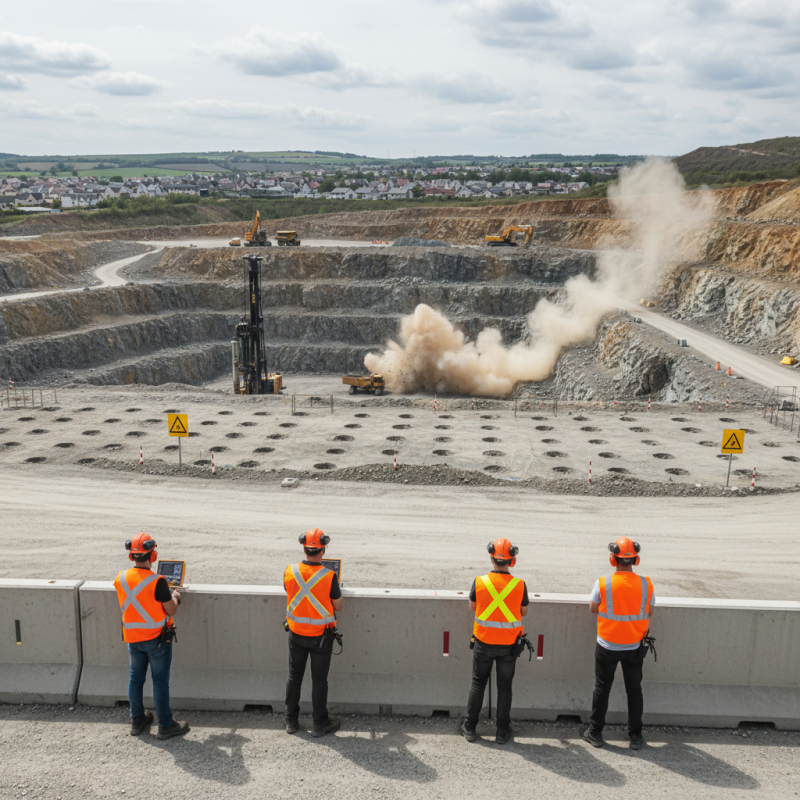
In blasting operations, personal protective equipment (PPE) is crucial for safety. Workers face various hazards, from flying debris to loud noises. Proper PPE minimizes these risks and helps ensure a safer working environment. Essential items include safety goggles, helmets, and earmuffs. These tools protect against common dangers that can lead to serious injuries.
Safety goggles shield eyes from dust and flying particles. Helmets provide head protection against falling objects or accidental impacts. Earmuffs reduce the risk of hearing loss from the loud blasts. However, workers often overlook the importance of proper fit and maintenance of PPE. A loose helmet or damaged goggles can jeopardize safety.
Additionally, high-visibility clothing increases worker visibility in busy areas. This is often underestimated but critical for avoiding accidents. It's essential for workers to regularly inspect their PPE. Ignoring small signs of wear can lead to larger, more significant problems. Training on the correct use of gear is also necessary. Without it, even the best equipment may not provide sufficient protection.
Effective risk assessment procedures are crucial before any blasting activities begin. A thorough assessment helps identify hazards associated with blasting operations. Teams must gather data about the site, including geological conditions and environmental impacts. Where could things go wrong? This understanding allows teams to make informed decisions.
Conducting a hazard analysis is essential. It involves looking at past incidents and current risks. What might seem safe could hide dangers. Employees should be trained to recognize potential problems. Regular drills can help them respond effectively. Communication is key. Sharing findings with all team members ensures everyone knows the risks.
Documentation is another vital practice. Clear records of assessments provide a reference for future projects. This can prevent mistakes that have happened before. Engaging with local communities is important too. Their insights can reveal dangers that may not be apparent to workers. Continuous improvement in risk assessment protocols will ultimately enhance safety in blasting operations.
Effective communication is crucial in blasting operations. Crew members engage in high-risk tasks, where miscommunication can lead to accidents. A report from the International Journal of Mining Science & Technology emphasizes that proper communication protocols can reduce incidents by up to 50%. Clarity and precision in instructions are vital to enhance safety.
Crew members should be trained to communicate effectively. Regular drills can help in developing these skills. For example, role-playing different scenarios can prepare workers for real-life challenges. The National Safety Council suggests that 70% of workplace accidents stem from communication failures. Establishing clear signals and checklists can mitigate these risks.
Using technology can also improve communication. Devices like two-way radios ensure that all team members are connected and can share updates instantly. However, reliance on technology may create challenges. Equipment failures can occur. This reliance requires a backup plan. Reflecting on these aspects can lead to more robust communication strategies, ultimately enhancing overall safety in blasting operations.
Proper handling and storage of explosive materials is crucial in blasting operations. Employees must be trained in best practices. This training includes recognizing hazards and knowing emergency procedures. Proper labeling of explosive materials is essential. Labels must clearly state the contents and their risks.
Storage facilities should be secure and well-ventilated. They should be located away from populated areas. The storage area must be kept dry and cool to prevent degradation. Doing this can reduce the risk of accidental detonations. Regular inspections of storage sites are vital. Identifying and resolving potential hazards early is necessary.
Inadequate training can lead to mistakes. Workers must understand the critical importance of their roles. Regular drills can enhance preparedness for emergencies. Maintaining clear communication channels is key. Sharing information about changes in materials or procedures should be routine. This not only helps in compliance but fosters a safer working environment. Regular reviews of safety protocols can aid in recognizing outdated practices.
Emergency response plans are essential for blasting operations. These plans help minimize the impact of incidents and ensure safety. According to the U.S. Bureau of Mines, over 50% of blasting operations experience some form of incident each year. Without appropriate plans in place, these incidents can lead to severe injuries or fatalities.
A typical emergency response plan includes immediate evacuation procedures and communication protocols. Training workers on these protocols is crucial. Data from the International Society of Explosive Engineers suggests that companies with well-developed response plans reduce incident severity by up to 30%. However, many organizations still overlook regular drills, making their plans ineffective when real emergencies arise.
Moreover, maintaining proper equipment is vital for emergency effectiveness. Regular inspections can identify potential failures. Studies show that 40% of blasting incidents are linked to equipment malfunctions. Yet, some teams neglect this aspect, believing it to be a low priority. By focusing on preparedness, blasting operations can significantly enhance their safety measures and protect all personnel involved.
| Measure | Description | Importance | Responsible Party |
|---|---|---|---|
| Risk Assessment | Identify hazards and evaluate risks before beginning operations. | Ensures comprehensive understanding of risks involved. | Site Safety Officer |
| Training | Ensure all personnel are properly trained in blasting techniques and safety. | Reduces operator error and enhances safety. | Training Coordinator |
| Emergency Response Plan | Develop and practice an emergency response plan for accidents. | Facilitates quick and effective response to incidents. | Safety Manager |
| Blast Area Security | Establish secure blast zones with barriers and signage. | Protects non-participants from potential hazards. | Site Supervisor |
| Equipment Inspection | Regularly inspect and maintain blasting equipment. | Ensures reliability and safety of equipment. | Maintenance Crew |
| Communication System | Establish clear communication protocols among all team members. | Enhances coordination and response effectiveness. | Project Manager |
| Weather Monitoring | Constantly monitor weather conditions before and during blasting. | Informs safe blasting decisions based on weather impact. | Site Meteorologist |
| Blast Design Review | Review the blast design to ensure effective and safe execution. | Minimizes risks associated with improper blast techniques. | Blasting Engineer |
| Safety Gear | Ensure all personnel wear appropriate personal protective equipment (PPE). | Protects workers from potential hazards and injuries. | Field Supervisor |
| Reporting and Investigation | Implement a system for reporting incidents and investigating root causes. | Promotes continuous improvement in safety practices. | Safety Committee |
: PPE minimizes risks from hazards like flying debris and loud noises. It ensures a safer working environment.
Essential items include safety goggles, helmets, and earmuffs. Each tool protects against specific dangers.
A loose helmet or damaged goggles can jeopardize safety. Proper fit is essential for effective protection.
High-visibility clothing increases worker visibility in busy areas. This reduces the risk of accidents and injuries.
Proper labeling of explosive materials is essential. Labels must clearly state contents and associated risks.
Storage facilities must be secure, well-ventilated, dry, and cool. This prevents degradation and reduces accident risks.
Training workers on emergency protocols is crucial. Without it, even the best plans may fail during actual emergencies.
Regular drills enhance preparedness. Many organizations overlook this, which can lead to ineffective response plans in emergencies.
Regular inspections can identify potential equipment failures. About 40% of incidents are linked to malfunctions, highlighting its importance.
Sharing information about changes in materials or procedures fosters a safer environment. It helps ensure everyone is informed and prepared.
In blasting operations, understanding what safety measures are required is crucial to ensure the well-being of all personnel involved. First and foremost, essential personal protective equipment (PPE) must be provided to all workers, including helmets, goggles, and protective clothing. Furthermore, conducting thorough risk assessment procedures prior to any blasting activity helps identify potential hazards and prepares the team to mitigate risks effectively.
Effective communication protocols among crew members are also vital to ensure everyone is informed and coordinated throughout the blasting process. Additionally, proper handling and storage of explosive materials are essential to prevent accidents. Finally, comprehensive emergency response plans must be established to address potential incidents swiftly and efficiently, ensuring a safe environment for all involved in blasting operations.
