Blatrixo Machine Blatrixo Machine

Top 10 Reasons Dust Control Matters in Industrial Cleaning

Time:2026-09-17 Author:Sienna
0%

Dust control is a practical foundation for safer, cleaner industrial facilities. Fine particles can settle on floors, machinery, vents, and electrical surfaces within minutes. They may also become airborne when workers sweep, move equipment, or open compressed-air lines. This creates avoidable exposure and can reduce cleaning quality. So, what is the importance of dust control in industrial cleaning? It protects people, equipment, production areas, and the reliability of daily operations.

Experienced cleaning teams treat dust as a process issue, not merely visible dirt. They assess particle sources, airflow, surface conditions, and cleaning methods before work begins. Local extraction, HEPA-filtered vacuums, damp wiping, and sealed waste containers can limit redistribution. A dry broom may look efficient. It often moves dust elsewhere. Small details matter, especially around conveyors, control panels, storage racks, and high-traffic walkways.

The following reasons explain why dust control deserves regular attention. They connect worker comfort with equipment performance, product protection, maintenance costs, and operational consistency. Industry guidance supports controlled methods, but every facility still needs practical adjustment. Building layout, material type, and production schedules change the risks. No control plan is perfect. That deserves honest review. A missed overhead beam or blocked vacuum filter can weaken an otherwise strong program. Regular inspections, documented procedures, and worker feedback help reveal these gaps. Effective dust control is not a single task. It is a disciplined habit that improves through observation and correction.
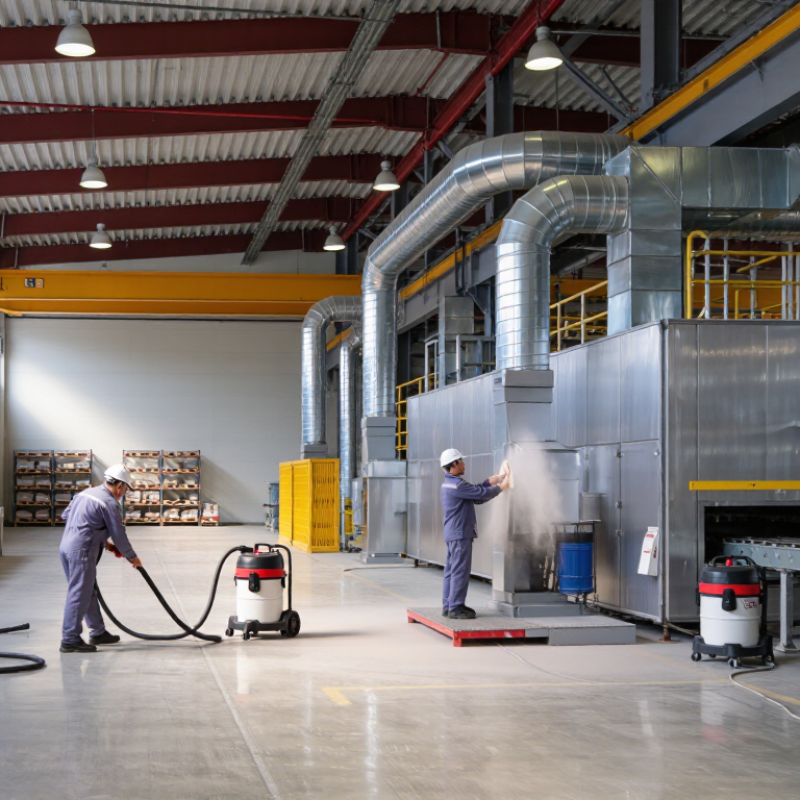
Top 10 Reasons Dust Control Matters in Industrial Cleaning

Protecting Worker Health from Airborne Industrial Dust

Industrial dust is not merely a housekeeping problem. Fine particles can remain suspended after a machine stops, entering a worker’s breathing zone unnoticed. Repeated exposure may irritate the eyes, nose, and lungs. Some dusts can cause more serious long-term harm. The risk increases during cutting, grinding, sanding, pouring, and compressed-air cleaning.

Effective control begins close to the source. Local exhaust ventilation can capture particles before they spread across a workshop. Wet methods may reduce dust during suitable tasks. Industrial vacuums with appropriate filtration help remove settled material without creating a visible cloud. A clean floor helps, but it does not prove the air is safe. That assumption is easy to make.

Worker protection also depends on practical routines. Inspect extraction points, replace damaged hoses, and measure airflow when possible. Train employees to recognize dusty tasks and report breathing discomfort early. Respiratory protection may be necessary, but it must fit correctly and match the hazard. Facial hair, poor maintenance, or rushed checks can weaken protection. Small details matter.

A useful health program reviews exposure records, cleaning methods, and worker feedback together. Air monitoring can reveal problems that eyes cannot see. Keep access routes clear, schedule dusty work carefully, and avoid using compressed air to blow particles from clothing or surfaces. Controls sometimes fail during busy shifts. That is where honest review becomes essential.

Reducing Fire, Explosion, and Cross-Contamination Hazards

Dust control is a safety barrier, not a cosmetic task. Fine particles can settle on beams, cable trays, motors, and warm surfaces. A small ignition source may then trigger a flash fire or secondary explosion. OSHA’s combustible-dust data recorded 281 incidents, 119 deaths, and 718 injuries in the United States between 1980 and 2005. The figures remain difficult to ignore.

Cleaning also protects product and people from cross-contamination. Dust can move through forklift traffic, air currents, footwear, and poorly managed vacuum systems. In food, chemical, and pharmaceutical facilities, one residue may enter another process unnoticed. ISO 14644 guidance emphasizes controlled airborne particles in clean environments, while HACCP-based programs require documented controls for contamination hazards. The principle is practical: remove dust at its source, before movement begins.

Use suitable industrial vacuums, grounded equipment, and cleaning tools assigned to defined zones. Avoid blowing settled dust into the air with compressed air. It feels fast. It can make conditions worse. NFPA guidance treats accumulated combustible dust as a serious fire and explosion concern, especially where layers hide on elevated surfaces. Inspect those forgotten places. Our own assumptions can fail there. A floor may look clean while a tray above it holds the real hazard. Record findings, verify cleaning effectiveness, and revise the method when residue returns.

Top 10 Reasons Dust Control Matters in Industrial Cleaning - Reducing Fire, Explosion, and Cross-Contamination Hazards

No. Reason Dust Control Matters Primary Hazard What Can Happen Recommended Cleaning and Control Practice Relevant Reference
1 Prevent combustible-dust fires Fire Dust from materials such as wood, flour, sugar, plastics, or metals may ignite when it accumulates near hot surfaces, flames, sparks, or other ignition sources. Use a documented housekeeping schedule, remove settled dust before layers become hazardous, and keep dust away from motors, heaters, lighting, and electrical equipment. OSHA 29 CFR 1910.22; NFPA 660
2 Reduce dust-explosion potential Explosion and secondary explosion A combustible dust cloud can ignite rapidly in a confined area. An initial event may disturb deposits and create additional dust clouds, increasing the severity of the incident. Control dust at the source, use suitable local exhaust ventilation, avoid compressed-air blowdown unless specifically justified and controlled, and assess dust-explosion characteristics. NFPA 660; OSHA Combustible Dust guidance
3 Limit cross-contamination Product, process, or allergen contamination Dust can transfer between production zones, equipment, raw materials, and finished products, compromising quality and creating allergen or chemical-control concerns. Use zone-specific tools where required, clean from cleaner areas toward dirtier areas, verify cleaning effectiveness, and control personnel and equipment movement. HACCP principles; ISO 22000 principles
4 Protect worker respiratory health Inhalation exposure Fine dust may irritate the eyes, skin, nose, and lungs. Some dusts may cause sensitization or other occupational health effects depending on their composition and exposure level. Use engineering controls first, maintain ventilation systems, select suitable vacuum equipment, conduct exposure assessments, and provide respiratory protection when required. OSHA 29 CFR 1910.1000; NIOSH hierarchy of controls
5 Protect machinery and electrical equipment Overheating, malfunction, and ignition Dust deposits can restrict cooling, enter moving components, reduce insulation performance, or contribute to overheating and equipment failure. Include motors, panels, cable trays, ledges, roof structures, and concealed spaces in inspections and cleaning plans; isolate equipment safely before cleaning. OSHA 29 CFR 1910.303; NFPA 70
6 Maintain effective ventilation Dust release and loss of capture Blocked filters, dirty ducts, and poorly maintained extraction systems can reduce airflow and allow dust to escape into occupied or process areas. Inspect hoods, ducts, filters, fans, and collection vessels; monitor system performance and clean ventilation components according to a preventive-maintenance plan. OSHA 29 CFR 1910.94; NFPA 660
7 Prevent slips, trips, and falls Physical injury Dust and powder on floors, stairs, platforms, and walkways can reduce traction and obscure surface conditions, increasing the risk of falls. Clean spills promptly, keep designated walkways clear, use appropriate dry or wet methods for the material, and document recurring dust sources. OSHA 29 CFR 1910.22
8 Avoid unsafe cleaning methods Dust cloud formation and ignition Aggressive sweeping or uncontrolled compressed air can suspend settled dust, increasing inhalation exposure and the possibility of ignition or explosion where combustible dust is present. Prefer suitably rated industrial vacuum systems or controlled wet methods when compatible with the process; prohibit methods that disperse dust without a documented risk assessment. OSHA Combustible Dust guidance; NFPA 660
9 Improve inspection and housekeeping visibility Hidden accumulation and delayed response Dust can accumulate on elevated, concealed, or infrequently accessed surfaces where it may remain unnoticed until it affects safety or production. Use risk-based inspection routes, record findings, photograph abnormal accumulation where appropriate, and assign corrective actions with responsible personnel and deadlines. NFPA 660; OSHA housekeeping requirements
10 Support regulatory compliance and business continuity Enforcement action, downtime, and loss of production Poor housekeeping can contribute to incidents, citations, equipment damage, product holds, unplanned shutdowns, and costly recovery work. Maintain written procedures, training records, inspection logs, cleaning verification, incident reviews, and management-of-change controls for dust-producing processes. OSHA 29 CFR 1910; NFPA 660; ISO 45001 principles

Note: Dust hazards depend on the material, particle size, moisture content, concentration, process conditions, and ignition sources. A site-specific hazard assessment should determine the appropriate cleaning method, equipment rating, inspection frequency, and protective measures.

Preserving Equipment, Products, and Facility Conditions

Top 10 Reasons Dust Control Matters in Industrial Cleaning

Preserving Equipment, Products, and Facility Conditions

Dust control protects more than visible surfaces. Fine particles can enter motor housings, seals, bearings, and control panels. Over time, this contamination may increase friction, heat, and unexpected maintenance.

In production areas, airborne dust can settle on packaging, components, or finished goods. A thin gray layer may seem harmless, but it can affect appearance and create costly rework. Dust also collects on beams, vents, and floor joints, making facility conditions harder to inspect. No site stays perfectly clean. That is the reality.

Experienced cleaning teams usually inspect airflow, dust sources, and equipment sensitivity before work begins. They use controlled vacuuming, damp methods, and suitable filtration when conditions allow. Cleaning records should identify problem zones, inspection dates, and corrective actions. This evidence supports consistent decisions and safer maintenance planning. Still, methods can fail when workers rush or overlook hidden ledges.

Tips: Start with high surfaces and move downward. Isolate sensitive equipment before cleaning nearby areas. Check filters during the task, not only afterward. Use white inspection cloths on dark surfaces to reveal fine residue. Photograph recurring buildup, then investigate its source instead of repeatedly removing the symptom. Small details matter.

Supporting Regulatory Compliance and Environmental Responsibility

Top 10 Reasons Dust Control Matters in Industrial Cleaning

Dust control supports regulatory compliance and environmental responsibility in every industrial facility. Fine particles can settle on beams, machinery, ventilation openings, and nearby soil. Poor control may increase worker exposure, contaminate drainage systems, and create avoidable inspection concerns. Local workplace and environmental rules often require documented controls, safe collection methods, and proper waste handling. Requirements differ by location and dust type. Professional assessment remains essential.

Effective cleaning begins with identifying the dust source, particle behavior, and affected areas. Use suitable capture equipment, sealed containers, and controlled transfer procedures. Where appropriate, damp cleaning can reduce airborne particles, but moisture may damage equipment or react with certain materials. Inspect filters regularly. Record pressure readings, cleaning dates, waste quantities, and corrective actions. These details demonstrate a functioning program, not just a written policy. In practice, missed ledges still happen. That is worth admitting and correcting.

Tips: Check overhead surfaces before floor cleaning. Keep doors and access points controlled. Train workers to recognize invisible dust. Review disposal records monthly. Photograph recurring problem areas. Ask whether the current method truly prevents release, or merely moves dust elsewhere. Small gaps matter. A damaged seal, overloaded filter, or rushed cleanup can undermine otherwise careful compliance efforts.

Improving Cleaning Efficiency, Productivity, and Long-Term Costs

Top 10 Reasons Dust Control Matters in Industrial Cleaning

Improving Cleaning Efficiency, Productivity, and Long-Term Costs

Dust control makes industrial cleaning faster and more consistent. Fine particles can settle again within minutes, especially near conveyors, ledges, and ventilation outlets. Capturing dust at its source reduces repeated wiping and shortens cleaning cycles. It also helps workers see floor markings, equipment labels, and small spills more clearly. Better visibility supports safer, more accurate work.

Cleaner air can improve productivity during long shifts. Workers spend less time changing clogged filters, clearing tools, or leaving dusty areas for fresh air. Equipment may also run more reliably when abrasive particles stay away from motors, sensors, and moving parts. A practical cleaning plan should match extraction strength, nozzle design, and surface conditions. Small details matter. Poorly fitted tools can spread dust instead of removing it.

Long-term savings often appear through lower labor hours, fewer replacement parts, and reduced waste from disposable materials. Preventive dust control can also protect finished goods stored nearby. In my experience, teams sometimes focus only on visible floors and overlook overhead beams. That mistake creates surprise rework later. A short inspection after cleaning can reveal hidden deposits, although inspections themselves require time and discipline. Records of dust sources, filter changes, and recurring problem areas help supervisors adjust routines based on evidence rather than guesswork.

FAQS

Why is industrial dust more than a housekeeping problem?

Fine particles can remain airborne after machines stop. Workers may inhale them without noticing. Repeated exposure can irritate the eyes, nose, and lungs.

Which tasks commonly create high dust levels?

Cutting, grinding, sanding, pouring, and compressed-air cleaning can release large amounts of dust. Risk increases in enclosed or poorly ventilated areas.

How can a facility control dust near its source?

Local exhaust ventilation can capture particles before they spread. Suitable wet methods may help during some tasks. Industrial vacuums can remove settled dust without creating a visible cloud.

Does a clean floor prove the air is safe?

No. Dust may remain on beams, cable trays, motors, or ventilation openings. A clean floor can mislead us.

What makes respiratory protection effective?

The equipment must match the hazard and fit the worker correctly. Facial hair, damaged parts, and rushed checks can weaken protection. Fit matters.

Why should workers avoid compressed air for cleaning dust?

Compressed air can push settled particles into the breathing zone. It may also spread dust across clothing, machinery, and nearby work areas. It can worsen exposure.

How can dust create fire or explosion risks?

Fine particles may collect on warm surfaces and elevated structures. An ignition source can disturb those layers and trigger rapid burning. Hidden dust matters.

How does dust control support contamination prevention and compliance?

Dust can travel through air currents, footwear, vehicles, and poorly managed cleaning systems. Facilities should document inspections, airflow checks, waste handling, and corrective actions. Requirements vary by location and dust type.

What practical details should a dust-control program review?

Inspect extraction points, filters, hoses, seals, and overhead surfaces. Record cleaning dates, pressure readings, waste quantities, and recurring problem areas. Missed ledges still happen.

When should a facility reconsider its cleaning method?

Review it when residue returns, workers report discomfort, or dust appears in unexpected zones. A method may move dust instead of removing it. Honest review helps.

Conclusion

Dust control is a fundamental part of safe and effective industrial cleaning. The importance of dust control in industrial cleaning lies in its ability to protect workers from airborne particles that may irritate the lungs, eyes, and skin while reducing the risk of fires, explosions, and cross-contamination. Proper dust management also helps prevent particles from settling on machinery, finished products, ventilation systems, and facility surfaces, preserving equipment performance and product quality.

Effective dust control supports regulatory compliance and demonstrates environmental responsibility by limiting the release of contaminants into the workplace and surrounding areas. It also improves cleaning efficiency by reducing repeated cleanup, minimizing equipment downtime, and helping employees work in a cleaner, more organized environment. Over time, these benefits can lower maintenance expenses, extend asset life, improve productivity, and reduce operational disruptions, making dust control a practical long-term investment for industrial facilities.

Sienna

Sienna

Sienna is a skilled marketing professional with a deep expertise in our company’s core products and services. With a passion for innovation and detail, she plays a pivotal role in crafting insightful blog posts that not only highlight the unique features of our offerings but also provide valuable......