In the realm of industrial cleaning, understanding "what materials can be treated using abrasive cleaning methods" is crucial. Experts like Dr. Robert Cheng, a renowned materials scientist, have stated, “Selecting the right material for abrasive cleaning is vital for effectiveness.” This highlights the importance of knowing which substances can withstand the abrasiveness of various cleaning techniques.
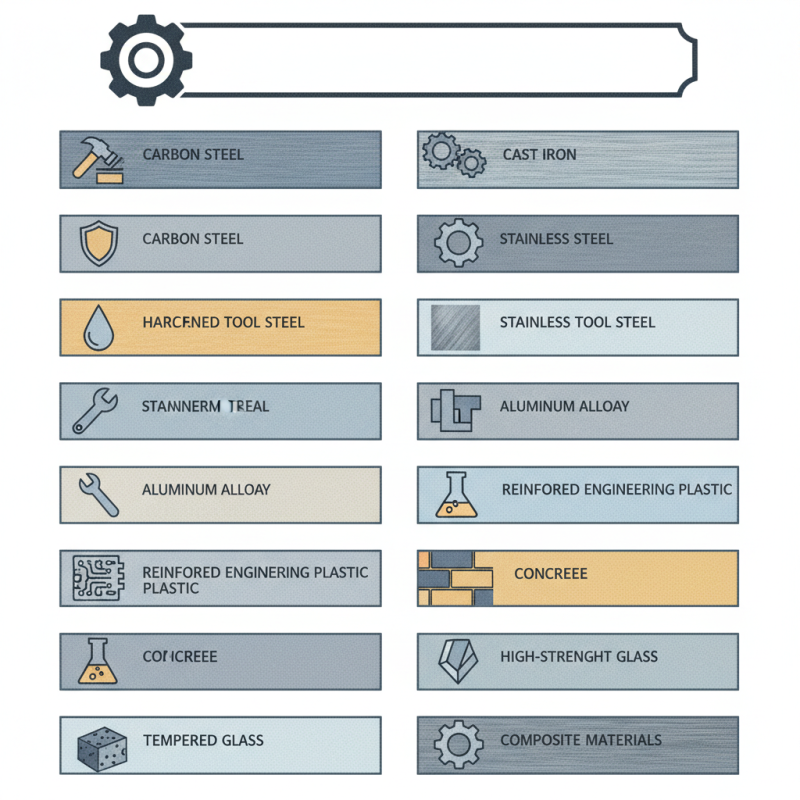
Many materials fall within this category, including metals, plastics, and ceramics. These materials show varying levels of resilience to abrasive forces. For example, carbon steel can be effectively cleaned using abrasive blasting methods without compromising its integrity. However, softer metals may require more gentle approaches to avoid damage. Understanding the properties of each material is essential.
While the list of suitable materials may seem extensive, not every option is ideal for every application. Testing is often necessary to ensure compatibility with the chosen method. This trial-and-error process can lead to unexpected challenges. Additionally, the long-term effects on material integrity deserve careful consideration. Ultimately, a thorough understanding of material properties will yield the most effective cleaning results.
Types of Abrasive Cleaning Methods and Their Applications
Abrasive cleaning methods play a vital role in maintaining various surfaces. They are known for their efficiency and effectiveness. Different techniques apply to different materials, ensuring the job is done right. The most common methods include sandblasting, bead blasting, and dry ice blasting.
Sandblasting uses granular materials to clean surfaces. It is excellent for metal and concrete.
Bead blasting offers a gentler approach, using tiny glass beads to polish surfaces. This method works well on plastics and delicate metals.
Dry ice blasting is another innovative technology. It uses solid carbon dioxide pellets, ideal for sensitive environments. This technique leaves no residue and is environmentally friendly, yet it can be expensive and might not suit all applications.
Choosing the right abrasive method depends on the surface and desired outcome. Consider the material's durability before deciding. Some surfaces may be damaged by aggressive techniques. Assessing the specific cleaning requirements is crucial for effective results. Each method has its pros and cons, leaving room for reflection and improvement. Proper training and understanding of the tools involved enhance the cleaning process.
Overview of Material Properties for Effective Abrasive Cleaning
Abrasive cleaning methods rely heavily on the material properties involved. Understanding these properties enhances cleaning efficiency. Hardness, toughness, and resistance to wear are crucial. According to a recent industry study, harder materials generally perform better in cleaning applications. However, they can cause damage if not carefully controlled.
For example, aluminum oxide is favored for its hardness and longevity. It can withstand high pressures and operate at various temperatures. Yet, improper use may lead to substrate damage. Steel grit, another common abrasive material, offers a balance between cost-effectiveness and performance. It has excellent ductility, allowing it to perform well in various cleaning scenarios. However, it may wear down quicker than harder alternatives.
Specialized materials like garnet and silicon carbide have unique advantages. Garnet boasts low dust generation, making it safer for operators. Yet, sourcing high-quality garnet can be inconsistent. Silicon carbide, while harder, risks embedding in softer substrates. This creates cleanliness concerns. Understanding these properties can lead to a more effective abrasive cleaning approach, but careful consideration is always necessary.
Top 10 Materials Suitable for Abrasive Cleaning Methods
Top 10 Materials Commonly Used in Abrasive Cleaning Processes
Abrasive cleaning processes are vital in various industries. They remove surface contaminants effectively. Several materials are commonly used in these techniques, each with unique properties.
One popular option is aluminum oxide. It is durable and effective for tough surfaces. Walnut shells are versatile and biodegradable. They work well on softer materials without causing damage. Another material, garnet, is known for its sharpness and efficiency. It is often used in water jet cutting and sandblasting.
Steel shot is commonly employed for its resistance and strength. It helps in cleaning heavy machinery. Glass beads provide a gentler touch, suitable for delicate surfaces. While they are effective, they may leave a slight texture. Plastic media is lightweight and safe on delicate finishes. These materials cater to diverse cleaning needs, but they also have limitations. A thorough selection process is necessary for each application. Understanding specific material properties can lead to better cleaning results.
Top 10 Materials Suitable for Abrasive Cleaning Methods
| Material |
Hardness (Mohs) |
Density (g/cm³) |
Typical Applications |
| Alumina |
9 |
3.95 |
Metal surface cleaning |
| Silicon Carbide |
9-9.5 |
3.2 |
Glass and ceramic cutting |
| Garnet |
7.5-8 |
3.5 |
Waterjet cutting |
| Grit Blasting Media |
Varies |
Varies |
Surface preparation |
| Baking Soda |
2.5-3 |
2.2 |
Light cleaning |
| Steel Shot |
7.5 |
7.85 |
Metal polishing |
| Walnut Shells |
2.5 |
1.2 |
Wood and delicate surfaces |
| Aluminum Oxide |
9 |
3.9 |
Surface preparation for metals |
| Glass Beads |
5-6 |
2.5 |
Smoothing surfaces |
| Acrylic Abrasives |
4-5 |
1.2 |
Plastic surfaces |
Criteria for Selecting Suitable Abrasive Materials
When selecting abrasive materials for cleaning methods, several criteria should be considered. The hardness of the material is crucial. Harder materials tend to be more effective in removing contaminants. According to industry reports, materials like aluminum oxide and silicon carbide rank high in hardness and efficiency. These materials are often chosen for their performance in various applications.
The shape and size of the abrasive particles also matter. Irregularly shaped particles can create more surface contact, enhancing the cleaning process. Studies indicate that angular particles perform better than rounded ones. Additionally, the size of the particles affects both the cleaning speed and finish quality. Smaller particles can reach tighter spaces but may require more time to achieve desired results.
Dust generation is another factor that should not be overlooked. Some abrasive materials create more dust than others. A report by a leading environmental agency highlights that dust can pose health risks and impact cleaning efficiency. Choosing materials that minimize dust can lead to safer work environments and better outcomes in cleaning tasks. Understanding these criteria can significantly improve the selection of abrasive materials for any cleaning method.
Safety Considerations When Using Abrasive Cleaning Methods
Abrasive cleaning methods can be effective but pose safety risks that should not be overlooked. Using these techniques often involves high velocities and rough surfaces, increasing the chance for accidents. Protective gear, such as gloves and goggles, is essential. Skin contact with abrasives can cause irritation. Additionally, airborne particles can affect respiratory health if proper precautions are not taken.
Training is crucial for those handling abrasive materials. Understanding the properties of each material is necessary. Not all abrasives are safe for every surface. Improper use can lead to damage or ineffective cleaning. It’s vital to evaluate the workspace to minimize hazards. Ensure good ventilation and maintain a clean environment.
Overconfidence can lead to mistakes. Operators must be aware of their surroundings and the equipment. Regular safety checks can prevent issues but require discipline. Establishing a safety protocol fosters a culture of caution. Even experienced users should remain vigilant and continuously educate themselves about new methods and safety practices.
FAQS
: Harder materials are generally more effective in removing contaminants during cleaning.
Irregularly shaped particles enhance surface contact, improving cleaning efficiency. Smaller particles fit in tight spaces.
Some abrasives produce more dust, which can pose health risks. Choosing low-dust materials is beneficial.
Protective gear protects against skin irritation and respiratory issues from airborne particles created during cleaning.
Training ensures users understand material properties and proper methods to avoid damage and ensure effective cleaning.
Evaluating the workspace helps minimize hazards and ensures ventilation, contributing to a safer working environment.
Overconfidence can lead to careless mistakes. Users should stay aware of their surroundings and equipment at all times.
Establishing clear safety protocols encourages a culture of caution among users, enhancing overall safety.
Continuous education keeps users aware of new methods and safety practices, reducing the risk of accidents.
Regular safety checks and a disciplined approach can prevent issues and improve safety during abrasive cleaning tasks.
Conclusion
Abrasive cleaning methods are widely used across various industries due to their ability to efficiently remove contaminants and surface imperfections. These methods encompass different techniques such as sandblasting, grit blasting, and bead blasting, each with specific applications. To achieve effective results, it is crucial to understand the material properties that can be treated using abrasive cleaning methods.
The top 10 materials suitable for abrasive cleaning include metals, plastics, wood, and glass, among others. Selecting the right abrasive material involves criteria such as hardness, shape, and size, ensuring that the process is both effective and safe. Additionally, safety considerations, including protective gear and proper handling, play a vital role in the application of these methods to minimize health risks. Overall, knowing what materials can be treated using abrasive cleaning methods aids in optimizing the cleaning process and achieving desired results.
 Blatrixo Machine
