In today's industrial landscape, effective surface cleaning is critical. However, many organizations face numerous hurdles in this area. According to John Smith, a leading expert in industrial cleaning solutions, “Identifying what challenges exist in industrial surface cleaning is the first step toward improvement.” His insight reflects the common difficulties companies face.
From the lack of specialized equipment to varying surface materials, the challenges are diverse. Many companies struggle to find cleaning solutions that are both effective and environmentally friendly. Additionally, worker safety is a growing concern. Industries often re-evaluate their processes, yet the frustration remains palpable.
The continuous evolution of materials and technologies poses more questions. Will current cleaning methods remain relevant? How can businesses adapt? Understanding these obstacles is crucial for innovation. Reflecting on them may lead to better strategies and solutions.
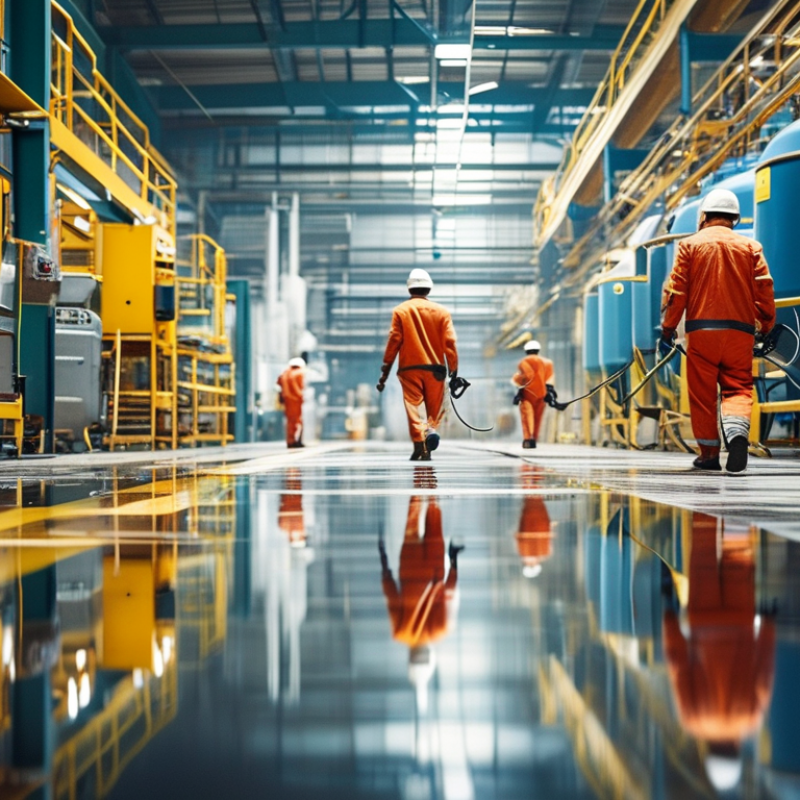
Emerging Contaminants in Industrial Surface Cleaning Operations
Emerging contaminants are reshaping the landscape of industrial surface cleaning. These pollutants include microplastics, pharmaceuticals, and heavy metals. A recent report states that microplastics are now found in 95% of water sources analyzed. This unprecedented contamination raises serious concerns for cleaning operations.
Traditional cleaning methods often fail to address these complex contaminants. For instance, many chemical cleaners do not effectively remove microplastics from surfaces. According to a 2022 study, only 30% of companies use innovative solutions capable of managing these emerging contaminants. This gap demonstrates a crucial area for improvement in cleaning protocols.
Moreover, the regulatory landscape is tightening around these pollutants. New guidelines are being introduced globally, pushing industries to adapt quickly. A significant percentage, close to 65%, of companies are unsure about compliance standards. This uncertainty can lead to operational risks, making it imperative to invest in advanced cleaning technologies. As factories face rising scrutiny, finding effective solutions becomes even more critical.
Technological Limitations of Current Cleaning Equipment and Methods
Industrial surface cleaning is essential for maintaining optimal operations. However, outdated equipment often limits effectiveness. Current cleaning methods are frequently hindered by technological constraints. For example, a report by the International Journal of Environmental Science and Technology highlights that nearly 30% of industrial cleaning tasks remain inefficient due to inadequate technology. This raises questions about cost-effectiveness and overall productivity.
Traditional methods often involve harsh chemicals and manual labor, making them less sustainable. Automation and advanced cleaning solutions can reduce the ecological footprint. Yet, many companies hesitate to invest in new technologies. A survey conducted by the Cleaning Industry Research Institute revealed that 40% of cleaning professionals fear the initial costs outweigh the benefits. This mindset can stifle innovation and lead to missed opportunities for improvement.
Tip: Invest in training your staff on new technologies. Building technical expertise can help your team adapt more quickly to innovative cleaning solutions. Emphasizing ongoing education ensures that your cleaning measures evolve with industry standards.
Embracing technological advancements is crucial, yet implementation can be slow. Many facilities still use machines that can't meet modern efficiency demands. A case study by the Cleaning Industry Association shows that upgrading to advanced robotic cleaners can reduce labor costs by up to 50%. Such possibilities highlight the need for reflection on current practices. Are we overly reliant on outdated methods?
Environmental Regulations Impacting Industrial Cleaning Solutions
Industrial cleaning solutions face increasing pressure due to stringent environmental regulations. These regulations aim to reduce harmful emissions and chemical waste in industrial settings. A report by the International Association for Cleaning Industry estimates that over 50% of industrial cleaning firms struggle to comply with these standards.
The adoption of eco-friendly cleaning agents is rising. According to a survey by the Environmental Protection Agency, 72% of companies now prioritize sustainable cleaning practices. However, finding effective alternatives can be challenging. Many traditional cleaners are more effective but pose environmental risks. The industry is in a transition phase. Companies must balance efficacy and safety.
Companies are also investing in training. Workers need to understand both the regulations and the new cleaning technologies. The same survey found that 60% of firms acknowledge gaps in employee knowledge. Training programs are essential but often underfunded. This highlights the ongoing struggle within the industry to meet compliance standards while fostering a knowledgeable workforce.
Top 5 Challenges in Industrial Surface Cleaning Solutions
| Challenge |
Description |
Impact Level |
Regulatory Example |
| Environmental Compliance |
Meeting strict local and international environmental regulations |
High |
EPA regulations on hazardous substances |
| Chemical Management |
Selecting and managing the use of cleaning chemicals |
Medium |
REACH guidelines in the EU |
| Worker Safety |
Ensuring safety protocols to protect workers using cleaning materials |
High |
OSHA standards for hazardous chemicals |
| Equipment Compatibility |
Finding effective cleaning solutions that are safe for all equipment |
Medium |
Manufacturer guidelines |
| Waste Disposal |
Proper disposal of waste generated from cleaning activities |
High |
Local disposal regulations |
Cost-Benefit Analysis of Different Surface Cleaning Techniques
When evaluating surface cleaning techniques, a cost-benefit analysis is essential. Various methods include pressure washing, chemical cleaning, and abrasive blasting. Each technique has distinct costs and benefits. Pressure washing, for instance, effectively removes dirt but can incur high water costs. Chemical cleaning is efficient for removing specific contaminants but may require careful handling and disposal.
A key factor in the analysis is labor costs. Some methods demand more manual intervention than others. This can escalate expenses. Additionally, the frequency of cleaning impacts long-term costs. Regular maintenance may seem expensive initially but can save money over time. Abrasive methods can damage surfaces, leading to more repairs.
Companies often overlook the hidden costs associated with downtime during cleaning. A thorough analysis must consider equipment longevity and efficiency. Balancing upfront costs with potential long-term savings is crucial. Being aware of the potential obstacles in each cleaning technique helps make informed decisions. Each choice reflects the unique needs of the industrial environment. Careful consideration of all factors will yield better results.
Top 5 Challenges in Industrial Surface Cleaning Solutions
This chart illustrates the top challenges faced in industrial surface cleaning solutions, alongside a cost-benefit analysis of various techniques used to address these challenges.
Challenges in Achieving Consistent Cleaning Standards Across Industries
Achieving consistent cleaning standards across various industries is fraught with challenges. Industries such as aerospace, food processing, and pharmaceuticals often require strict adherence to cleanliness protocols. A study by the International Society for Contamination Control found that more than 70% of facilities struggle with inconsistent cleaning results. This inconsistency can lead to critical failures, such as equipment malfunction or contamination.
Factors contributing to these challenges include varying industry regulations, the complexity of cleaning agents, and the diverse nature of contaminants. For example, food processing plants may deal with grease, while electronics manufacturing can face dust and particulate matter. Each industry has unique specifications, making a one-size-fits-all solution impossible. Adhesive residues and surface integrity vary greatly, demanding tailored cleaning solutions.
Tips: Training staff effectively can greatly improve consistency. Ensure regular updates on cleaning protocols. Regular audits can help identify areas needing improvement; even small lapses can lead to significant issues. Consider using technology to monitor cleaning processes and outcomes. Adopting industry standards helps in aligning cleaning efforts, facilitating better compliance.
Lastly, reliability in cleaning processes is essential. Many companies overlook the importance of maintaining cleaning equipment. Regular maintenance of cleaning machinery can prevent unplanned failures and enhance overall effectiveness. A balanced approach with continual feedback loops reveals areas for improvement.
FAQS
: Emerging contaminants include microplastics, pharmaceuticals, and heavy metals that affect cleaning processes.
Many chemical cleaners cannot effectively remove microplastics, leaving surfaces still contaminated.
Only about 30% of companies employ innovative solutions for managing emerging contaminants.
Nearly 65% of companies are unsure about compliance standards, risking operational effectiveness.
About 30% of cleaning tasks remain inefficient due to outdated technology, affecting productivity.
Many worry that initial costs outweigh the long-term benefits, stalling innovation.
Upgrading to advanced robotic cleaners can reduce labor costs by up to 50%.
Ongoing training builds technical expertise, allowing staff to adapt to innovative solutions more easily.
Harsh chemicals and manual labor can lead to a higher ecological footprint, making sustainability difficult.
Yes, many facilities continue using outdated methods, which hinders potential improvements and innovation.
Conclusion
Industrial surface cleaning faces several significant challenges that impact efficiency and effectiveness. One of the primary concerns is the emergence of contaminants that require advanced cleaning solutions, as traditional methods may not adequately address new substances. Moreover, technological limitations of current cleaning equipment often hinder the ability to achieve optimal cleaning results. Environmental regulations also pose challenges, as industries must navigate complex compliance requirements while selecting effective cleaning solutions.
Cost-benefit analyses illustrate the financial implications of various surface cleaning techniques, emphasizing the need for industries to balance efficacy with costs. Additionally, achieving consistent cleaning standards across different sectors remains a persistent issue. In summary, what challenges exist in industrial surface cleaning encompass technological, regulatory, and economic factors, all of which necessitate continuous innovation and adaptation in cleaning practices.
 Blatrixo Machine
