Blatrixo Machine Blatrixo Machine

Top 5 Tips for Choosing Abrasive Materials for Any Surface?

Time:2026-05-09 Author:Charlotte
0%

When it comes to choosing abrasive materials for various surfaces, expertise is essential. According to David Thompson, a leading consultant in surface preparation, "Selecting the right abrasive material can make or break your project." His insight emphasizes the importance of understanding the unique requirements of each surface.

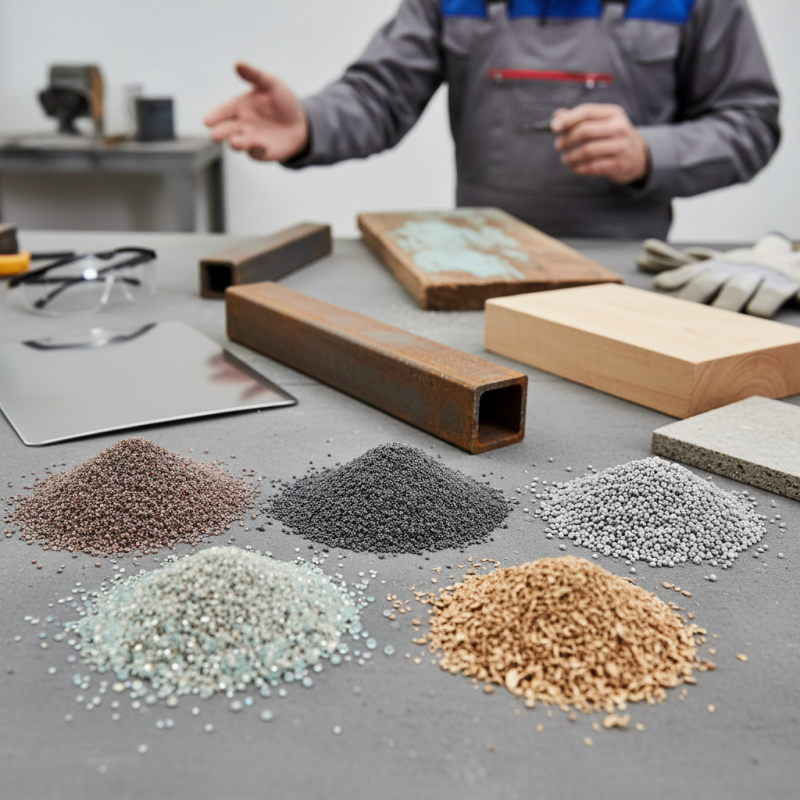
Different surfaces require different approaches. For instance, metals may need harder abrasives, while softer materials like wood require gentler options. Knowing how to select the right abrasive materials for different surfaces can enhance the efficiency and quality of the finish. It is not just about picking any abrasive; it involves careful consideration of the specific application and the desired outcome.

Another point of contention in this field is the balance between cost and performance. Some may prioritize low-cost abrasives, only to end up dissatisfied with the results. That leads to wasted time and resources. Being aware of these pitfalls is crucial. Making informed choices will lead to better results and longevity in your projects.
Top 5 Tips for Choosing Abrasive Materials for Any Surface?

Understanding the Types of Abrasive Materials Available

When selecting abrasive materials, it's essential to understand the various types available. They range from natural abrasives, like sand and garnet, to synthetic options such as aluminum oxide and silicon carbide. Each type has unique properties, making them suitable for different surfaces and applications. For instance, aluminum oxide is versatile and ideal for metals, while silica is great for softer materials.

Consider the surface you're working on. A hard surface, like concrete, requires a tougher abrasive material. On the other hand, softer surfaces may benefit from gentler options. Reflecting on past choices can offer insights. Have you ever used a material that was too abrasive? This can damage the surface, resulting in costly repairs.

Think about the grit size as well. Finer grits provide a smoother finish but may take more time. Coarser grits can be aggressive and fast but might leave noticeable scratches. Balancing these factors can be tricky, and sometimes, it’s helpful to test materials on a small area first. Each project is unique, and learning from experience plays a vital role in making informed choices.

Top 5 Tips for Choosing Abrasive Materials for Any Surface

Abrasive Type Material Composition Suitable Surfaces Grit Size Range Typical Applications
Alumina Oxide Aluminum Oxide Metal, Wood 24 - 120 Grinding, Deburring
Silicon Carbide Silicon and Carbon Glass, Ceramics 60 - 400 Cutting, Sanding
Garnet Natural Garnet Crystals Wood, Paint 36 - 220 Sanding, Surface Preparation
Zirconia Alumina Zirconium and Aluminum Oxides Steel, Metal 24 - 120 Heavy Grinding, Welds
Diamond Natural or Synthetic Diamond Ceramics, Glass, Stone 100 - 2000 Precision Cutting, Grinding

Evaluating the Surface Material for Compatibility with Abrasives

When choosing abrasive materials, evaluating the surface material is critical. Each surface type interacts differently with abrasives. For instance, metal surfaces require stronger abrasives. While softer materials like wood need gentler options. Understanding this compatibility can prevent damage to the surface or ineffective abrasion.

Consider the properties of the surface material. Is it hard or soft? Is it porous or smooth? These details affect how abrasives will perform. A hard surface might resist scratches but could chip if too abrasive is used. Conversely, a soft surface requires careful handling to avoid gouging. Always test a small area first. This can save time and resources.

Mistakes happen in the selection process. Misjudging the abrasiveness needed can lead to frustrations. Often, users prefer aggressive materials, thinking they will work faster. But, this approach can cause more damage than good. Reflecting on past projects can help identify which abrasives caused issues. Listening to feedback from previous experiences can improve future choices.

Determining the Grit Size for Your Specific Application Needs

When choosing abrasive materials, determining the right grit size is crucial. Grit size indicates the coarseness or fineness of the abrasive. A lower number, like 40, means a rougher surface. Higher numbers, such as 120, mean a smoother finish. The goal is to match the grit size to your specific application needs for optimal results.

For heavy material removal, coarser grits are advisable. They quickly strip away layers but can leave deeper scratches. On softer surfaces, this approach can damage the material. Conversely, fine grits are ideal for finishing tasks. They produce smoother surfaces but take longer to achieve results. Understanding the balance between grit size and the desired finish is key.

It’s essential to consider the material you're working with. Different surfaces respond oddly to the same grit size. Testing on scrap material helps in understanding how various grits perform. Remember, there might be a learning curve. Not every application is straightforward, and adjustments may be necessary. Being flexible in your approach enhances reliability in achieving the desired outcome.

Identifying the Most Suitable Abrasive Techniques and Methods

Choosing the right abrasive materials is crucial for optimal results. Different surfaces require specific techniques to ensure effectiveness. When working with wood, for instance, finer grits are preferable. This prevents damage and enhances the final finish. Test various abrasives beforehand to determine the best fit for your project.

For metal surfaces, using a coarser grit initially can help remove rust or imperfections. However, it’s essential to follow up with finer grits for a smooth surface. Each material behaves differently, making it vital to adapt your approach. If you’re unsure, consult professionals or experienced users.

Be mindful of the environment where you work. Proper ventilation is crucial, especially with certain abrasives that may produce harmful dust. Safety gear, like masks and goggles, is equally important. Rushing the process can lead to subpar results. Taking the time to understand the materials and techniques will yield far better outcomes.

Considering Safety and Environmental Factors When Choosing Abrasives

When choosing abrasive materials, safety and environmental impact should always be top priorities. Many abrasives release harmful particles into the air. According to a report from the American Industrial Hygiene Association, over 300,000 workers are exposed to hazardous dust annually. This exposure increases the risk of respiratory diseases. Selecting low-dust or dust-free abrasives can significantly reduce these health risks.

Furthermore, consider environmental factors. The production and disposal of certain abrasives can harm the ecosystem. For instance, synthetic abrasives often have a smaller environmental footprint compared to natural options. A study by the Environmental Protection Agency reveals that the life cycle analysis of abrasive materials shows significant variations in sustainability. It is essential to choose materials that have been responsibly sourced and are recyclable.

Finally, always assess your workspace's specific needs. Evaluate how much dust and debris are generated. You might find that traditional options do not align with your health and safety standards. Some abrasives may work well but leave a larger environmental footprint. It's crucial to balance performance and responsibility; the right choice can protect both workers and the planet.

FAQS

: Why is it important to evaluate surface materials before choosing abrasives?

: Different surfaces interact uniquely with abrasives. Understanding this prevents damage or ineffective abrasion.

What factors should I consider about the surface material?

Consider if the surface is hard or soft, porous or smooth. These traits affect abrasive performance.

How do I choose the right grit size for my application?

Match grit size to your needs. Coarser grits remove material quickly but can damage softer surfaces.

What is the difference between coarse and fine grits?

Coarse grits work for heavy removal, while fine grits are ideal for finishing. Balance is necessary.

What should I do before applying abrasives to the entire surface?

Always test a small area first. This can prevent costly mistakes and save time.

How can I minimize safety risks when using abrasives?

Select low-dust or dust-free options to reduce exposure to harmful particles and respiratory diseases.

What environmental factors should I consider when choosing abrasives?

Assess the ecological impact of production and disposal. Choose materials that are responsibly sourced and recyclable.

Why might aggressive abrasives lead to more issues?

Users often believe aggressive abrasives will work faster. This may cause excessive damage instead of fast results.

How can past experiences improve my abrasive selection?

Reflection on past projects can reveal which abrasives caused trouble. Feedback helps in making better choices.

What adjustments may be necessary when using abrasives?

Not every application is straightforward; flexibility in your approach can enhance results and reliability.

Conclusion

When it comes to how to select the right abrasive materials for different surfaces, understanding the various types of abrasive materials is crucial. Each type serves specific applications, making it important to evaluate the compatibility with the surface material. Additionally, identifying the appropriate grit size tailored to your specific needs can significantly affect the outcome of your work.

Beyond material types and grit sizes, employing the most suitable abrasive techniques and methods ensures efficiency and effectiveness in your project. Lastly, considering safety and environmental factors is paramount; selecting abrasives that prioritize these aspects will not only enhance the working experience but also promote sustainable practices in abrasive material usage.

Charlotte

Charlotte

Charlotte is a seasoned marketing professional with a deep understanding of the company's portfolio and a passion for elevating its presence in the market. With a keen eye for detail and a commitment to excellence, she ensures that our professional blog is regularly updated with insightful articles......