 Blatrixo Machine
Blatrixo Machine
Blatrixo Machine
Abrasive recycling has become increasingly important in China. The growth of industries utilizing abrasives creates a need for effective recycling methods. As environmental concerns rise, finding solutions is essential.
Multiple technologies have emerged to improve abrasive recycling efficiency. These innovations focus on reducing waste and optimizing resource recovery. Researchers are exploring various processes that enhance material reuse.
However, challenges still exist. Not all technologies are widely adopted due to cost or complexity. Assessing which technologies improve abrasive recycling efficiency requires careful examination. Each method’s impact on productivity and sustainability needs evaluation.
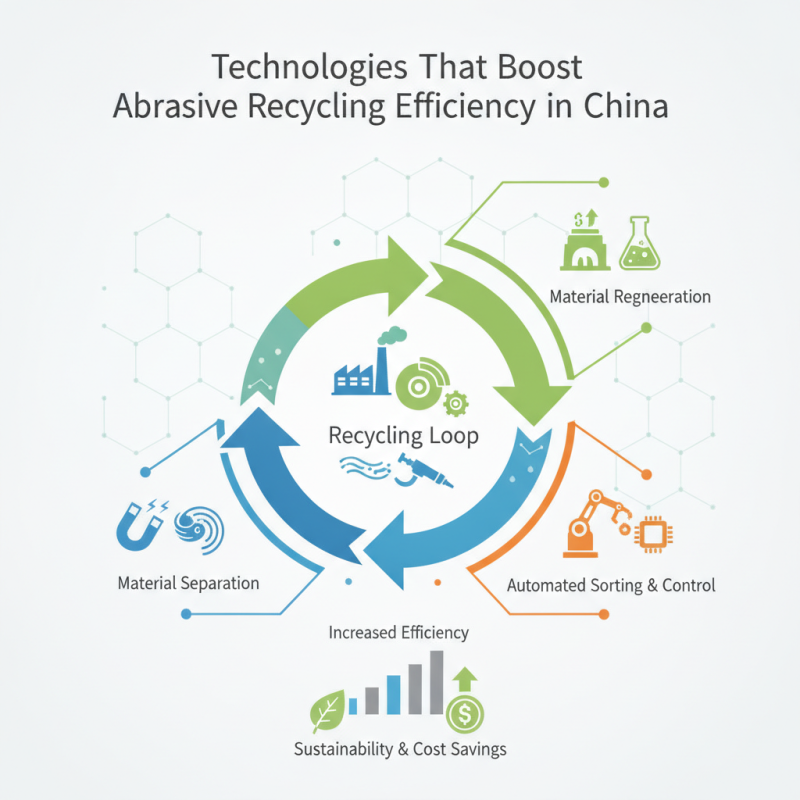
Abrasive recycling in China is undergoing a significant transformation, driven by innovative technologies. These advancements enhance efficiency and environmental sustainability. For instance, intelligent sorting systems use AI to identify materials and automate the separation process. This increases recovery rates while reducing labor costs. Such systems can process various types of abrasives, adapting to market demands effortlessly.
Meanwhile, advancements in material reprocessing methods are proving crucial. Technologies that employ advanced granulation and refining techniques allow for the reuse of abrasive materials with minimal degradation. This not only optimizes resource utilization but also lessens environmental impacts. Despite these improvements, challenges remain, particularly regarding the scalability of these technologies in small and medium-sized enterprises.
Moreover, continuous monitoring technologies, like real-time tracking, are emerging. These solutions reveal crucial data about the recycling process. They help identify bottlenecks and inefficiencies, prompting necessary adjustments. However, the integration of these technologies requires adequate training for personnel. This is an area where many industries still struggle, as not all workers are accustomed to new technological interfaces. As the sector evolves, addressing these gaps will be essential for successful implementation.
: Innovative technologies like AI sorting systems are enhancing efficiency and sustainability in abrasive recycling.
These AI-driven systems automate material identification and separation, increasing recovery rates and reducing labor costs.
Scalability of advanced technologies poses difficulties for small and medium-sized enterprises in the recycling sector.
Real-time tracking reveals data on recycling efficiency, helping identify bottlenecks that need adjustment.
Workers must be trained on new technological interfaces, as many may lack familiarity with the latest systems.
Companies focus on reclaiming materials like garnet and aluminum oxide, turning waste into reusable resources.
Mechanical methods involve crushing and screening, while chemical processes can be more efficient but complex.
Training workers and awareness campaigns can inform businesses about the environmental benefits of recycling.
It extends the lifespan of machines and maximizes output, contributing to overall operational efficiency.
Monitoring usage patterns and analyzing data helps identify peak times for better production efficiency.
In recent years, China has witnessed a transformation in abrasive recycling practices driven by innovative technologies. This article explores how various advancements are enhancing operational efficiency in the recycling processes. Key technologies that improve abrasive recycling efficiency include advanced separation techniques, automated sorting systems, and enhanced material recovery processes. These innovations not only streamline operations but also promote sustainability in manufacturing.
Furthermore, the article presents compelling case studies that highlight successful implementation of these technologies across different sectors, demonstrating tangible benefits such as reduced waste and increased resource recovery. As China looks to the future, trends indicate a growing emphasis on integrating smart technologies and circular economy principles in abrasive recycling, promising to further elevate efficiency and environmental stewardship.
