Blatrixo Machine Blatrixo Machine

How Sustainability Impacts Abrasive Blasting Systems in 2026?

Time:2026-07-04 Author:Charlotte
0%

As we look toward 2026, industries are increasingly aware of sustainability. One sector particularly affected is abrasive blasting systems. This process, traditionally reliant on harsh materials and chemicals, faces mounting pressure for eco-friendly practices. Understanding how sustainability impacts abrasive blasting systems can guide innovations that align with environmental goals.

Adopting sustainable measures can enhance operational efficiency. Many companies strive to reduce waste and energy consumption. However, challenges remain in balancing performance and environmental responsibilities. The industry must rethink materials used in blasting. Advancements in biodegradable abrasives and recovery systems are emerging. These options can limit ecological footprints, yet adoption rates vary.

Despite positive trends, there are concerns. Not all abrasive blasting equipment meet sustainable standards. Some systems still follow outdated practices. This can hamper progress. Companies must commit to continual improvement and education in sustainability. By exploring how sustainability impacts abrasive blasting systems, we can shape a greener future for this essential industry.
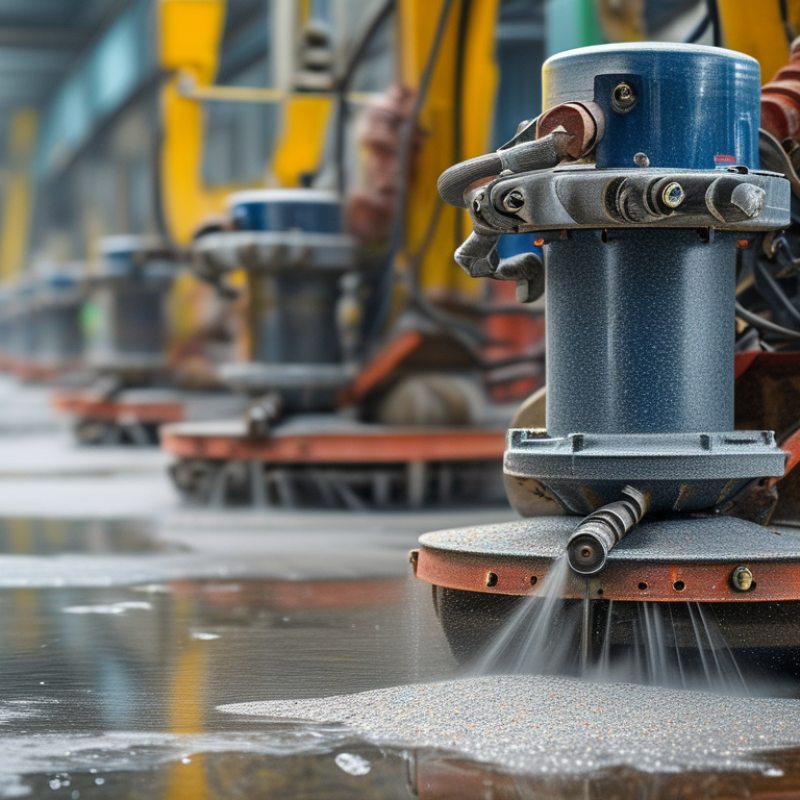
How Sustainability Impacts Abrasive Blasting Systems in 2026?

Sustainability Trends in Abrasive Blasting Technologies by 2026

As we approach 2026, the abrasive blasting industry is undergoing significant transformations fueled by sustainability trends. Innovative practices in materials and processes are emerging. Focus is gradually shifting toward eco-friendly abrasives that reduce environmental impacts. These materials are often derived from natural sources, promoting a lower carbon footprint in operations.

**Tip:** Consider exploring alternative abrasive materials like crushed glass or walnut shells. They are effective while minimizing environmental harm.

Moreover, advancements in technology are making blast systems more energy-efficient. New designs often incorporate automated controls, optimizing energy usage during operations. This shift not only helps lower costs but also contributes to reduced emissions.

**Tip:** Regularly audit your abrasive blasting systems. Identify and eliminate wasted energy in your processes.

As sustainability remains a top priority, companies must also focus on training. Educating staff on eco-friendly practices ensures everyone is on board with the mission. The challenge lies in keeping up with innovations while maintaining efficiency. It’s a careful balance that will define the future of abrasive blasting.

Impact of Regulations on Abrasive Blasting Sustainability Practices

As regulations evolve, the abrasive blasting industry must adapt to stricter sustainability practices. Governments worldwide are imposing limits on harmful materials used during blasting processes. These regulations aim to reduce negative environmental impacts and protect worker health. Companies face challenges in sourcing eco-friendly abrasive materials that comply with new laws. The shift requires innovation and commitment to sustainable practices.


Furthermore, the industry is grappling with the need for a reliable supply chain. Traditional suppliers may not meet the new requirements. This creates uncertainty and risks in production. Organizations are encouraged to invest in research for greener alternatives. Some are exploring biodegradable options, but the effectiveness is still under scrutiny. The transition is not straightforward, as these methods often come with unique challenges.


Compliance with environmental regulations encourages companies to rethink their practices. While many aim for sustainability, achieving this goal is complex. Training employees on new standards and methods is crucial. Misunderstandings can lead to non-compliance and costly penalties. A culture of sustainability must be fostered within organizations. Engaging stakeholders and sharing knowledge is essential for success. This journey will not be easy, but it is necessary for a sustainable future.

Advancements in Eco-Friendly Abrasives and Their Applications

The push for sustainability is reshaping abrasive blasting systems. Eco-friendly abrasives are emerging as viable alternatives in various industries. Traditional materials can harm the environment. Reports indicate that about 30% of abrasive products contribute to pollution. This is prompting manufacturers to innovate and adopt greener options.

In 2026, advancements in eco-friendly abrasive materials will likely dominate the market. Natural byproducts like walnut shells and recycled glass are gaining traction. They offer comparable performance to conventional materials. However, some users still question their effectiveness in high-pressure applications. The shift is underway, but not without challenges. Market studies suggest that 65% of companies remain hesitant about transitioning due to concerns of durability and cost-effectiveness.

Furthermore, regulations are becoming stricter. Many regions are enforcing limits on harmful emissions from blasting operations. A report from the Environmental Protection Agency highlights that abrasive blasting accounts for approximately 15% of industrial emissions. As a result, businesses are reevaluating their processes. The pressure to comply with eco-friendly mandates is rising. Companies will need to innovate rapidly while balancing cost, effectiveness, and regulatory requirements.

Impact of Eco-Friendly Abrasives on Sustainability in Abrasive Blasting Systems (2026)

This chart illustrates the projected usage of various eco-friendly abrasives in abrasive blasting systems by 2026, highlighting their increasing adoption in the industry.

Cost-Benefit Analysis of Sustainable Abrasive Blasting Systems

As industries move towards sustainable practices, abrasive blasting systems will undergo significant changes by 2026. The transition to eco-friendly materials helps reduce environmental impact. However, the cost implications are complex. Sustainable materials can be more expensive initially, but they can lead to long-term savings through enhanced equipment longevity and reduced waste disposal costs.

It's essential for organizations to conduct a comprehensive cost-benefit analysis. This helps in understanding the overall impact of choosing sustainable options. Investment in greener technologies could initially strain budgets. Yet, the benefits often outweigh these costs in the long run. Companies need to evaluate projected savings against upfront expenditures. A clear roadmap will aid in making informed decisions.

**Tip:** Train your team on the latest sustainable practices. This enhances operational efficiency. Knowledgeable staff can apply new techniques effectively.

**Tip:** Track performance metrics regularly. This helps in identifying areas for improvement. Frequent reviews can reveal insights into cost-saving opportunities.

Adapting to sustainable abrasive blasting systems presents challenges. Companies must be willing to learn and adjust. Balancing immediate costs with long-term benefits is essential for success.

How Sustainability Impacts Abrasive Blasting Systems in 2026? - Cost-Benefit Analysis of Sustainable Abrasive Blasting Systems

Year System Type Initial Cost ($) Annual Operating Cost ($) Savings Per Year ($) Payback Period (Years)
2026 Recycled Garnet 15,000 3,000 5,000 3
2026 Aluminum Oxide 12,000 2,500 4,500 2.67
2026 Steel Shot 10,000 2,000 3,500 2.86
2026 Soda Blasting 8,000 1,500 2,500 3.2

Future Challenges and Opportunities for Sustainable Abrasive Blasting

The abrasive blasting industry faces unique challenges as it shifts towards sustainability in 2026. Operators need to adopt eco-friendly materials and techniques. According to a recent report by the International Abrasive Technology Association, nearly 70% of businesses aim to switch to sustainable blasting materials. This highlights the urgency in aligning with environmental standards and reducing their carbon footprint.

One emerging challenge is the disposal of waste materials. Traditional methods often pollute ecosystems and compromise worker safety. In contrast, sustainable methods, such as using recycled media, minimize landfill impact. Data shows that abrasive blasting operations using recycled materials can reduce waste by up to 50%.

This change demands new infrastructure and training, as many technicians are accustomed to conventional methods.

Opportunities also arise from technological advancements. Automated systems can enhance precision and reduce material use. A 2023 study showed that automation could improve efficiency by 30%, benefiting both the environment and the bottom line. Nonetheless, adaptation requires investment and a willingness to innovate. The industry must embrace experimentation while grappling with the need for effective change management.

FAQS

: What advancements are expected in abrasive blasting technologies by 2026?

: Expect innovative practices and eco-friendly materials that significantly reduce environmental impacts and carbon footprints.

How can companies minimize environmental harm in abrasive blasting?

Consider using alternative abrasives like crushed glass or walnut shells for effective results with less environmental damage.

Are eco-friendly abrasives as effective as traditional materials?

They offer comparable performance, but some users question their effectiveness in high-pressure applications.

Why are companies hesitant to switch to sustainable abrasives?

Concerns about durability, cost-effectiveness, and compliance with regulations create uncertainty in making the transition.

What percentage of industrial emissions come from abrasive blasting operations?

Abrasive blasting accounts for approximately 15% of industrial emissions, prompting businesses to reevaluate processes.

How do initial costs of sustainable materials compare to long-term savings?

Initial costs may be higher, but they can lead to long-term savings through increased equipment longevity and reduced waste disposal.

Why is staff training important in the transition to eco-friendly practices?

Educated staff can implement sustainable practices effectively, enhancing operational efficiency and supporting company goals.

What should companies do to track progress in sustainability efforts?

Regularly review performance metrics to identify cost-saving opportunities and areas for improvement.

What challenges might companies face when adapting to sustainable practices?

They must learn and adjust to new methods, balancing immediate costs with potential long-term benefits.

How can businesses successfully balance sustainability and cost?

Conduct a comprehensive cost-benefit analysis to evaluate projected savings against upfront expenditures for informed decision-making.

Conclusion

The article "How Sustainability Impacts Abrasive Blasting Systems in 2026" explores the evolving landscape of abrasive blasting technologies in light of sustainability trends. As regulations tighten and environmental awareness grows, the industry is witnessing a shift towards more eco-friendly practices. Advancements in eco-friendly abrasives are becoming essential, offering viable alternatives that reduce environmental impact while maintaining efficiency.

Additionally, the article delves into a cost-benefit analysis of sustainable abrasive blasting systems, highlighting the long-term financial and environmental benefits. It also discusses the future challenges and opportunities that the industry faces, emphasizing how sustainability impacts abrasive blasting systems and drives innovation. In conclusion, the shift towards sustainability is not just regulatory compliance but a pathway for growth and modernization in the abrasive blasting sector.

Charlotte

Charlotte

Charlotte is a seasoned marketing professional with a deep understanding of the company's portfolio and a passion for elevating its presence in the market. With a keen eye for detail and a commitment to excellence, she ensures that our professional blog is regularly updated with insightful articles......