Blatrixo Machine
Industrial surface treatment equipment plays a crucial role in several manufacturing sectors. From aerospace to automotive, these processes enhance product durability and aesthetics. However, businesses often struggle to identify which standards apply to industrial surface treatment equipment. Understanding these regulations is essential for compliance and safety.
According to a report by the International Organization for Standardization (ISO), industry-specific standards can significantly impact not only quality but also market acceptance. For instance, adherence to ISO 9001 can lead to a 20% increase in customer satisfaction. Despite this, many companies overlook these crucial guidelines, compromising product integrity.
Moreover, the European Committee for Standardization (CEN) outlines various frameworks for surface treatment processes. Industries that fail to implement these standards face risks of litigation and reduced competitiveness. Addressing such gaps fosters an environment of reliability and trust. Thus, a focused approach on which standards apply to industrial surface treatment equipment is vital for sustainable growth and innovation.
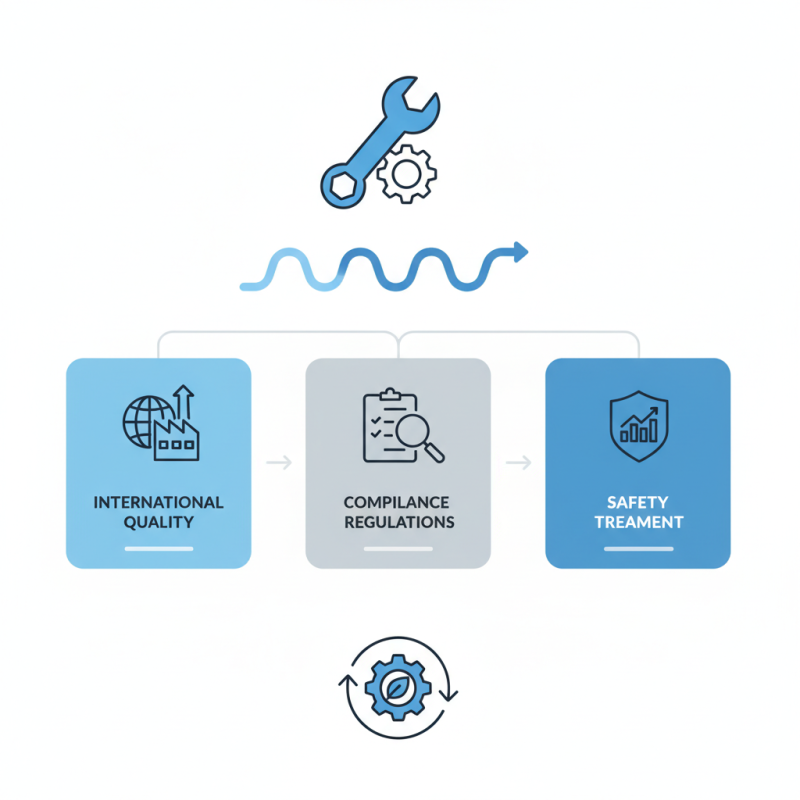
Industrial surface treatment is a critical process in manufacturing. It enhances the durability and aesthetics of materials. Several standards govern this industry, ensuring safety and quality. Knowing these standards is essential for compliance and marketability.
Common standards include ISO and ASTM. These organizations set guidelines for various treatments, like coating and plating. Each standard outlines specific requirements for materials and processing methods. These guidelines help maintain uniformity and quality across different products. However, not all manufacturers comply effectively. This inconsistency can lead to defects or failures.
Training staff on these standards can be challenging. Employees may resist changes or lack understanding of complex guidelines. Regular audits can identify areas for improvement. Emphasizing the importance of adherence to standards fosters a culture of quality. As the industry evolves, keeping up with revisions is vital. Continuous education and adaptability are key. This dynamic landscape prompts manufacturers to reflect on their processes regularly.
When discussing standards for industrial surface treatment equipment, several types come into play. These standards ensure safety, efficiency, and reliability in various treatment processes. They cover areas like environmental sustainability, equipment design, and operational safety. For instance, the ISO 14001 standard focuses on environmental management. Adhering to such standards helps businesses minimize their ecological footprint.
Another vital standard is the ASME B31.3, which focuses on process piping. This standard is crucial for systems used in surface treatment processes. Properly following it can prevent leaks and structural failures, enhancing overall safety. According to a report from the International Organization for Standardization, nearly 80% of companies reported improved operational efficiency after implementing such standards.
Tips: Regularly review and update your compliance with relevant standards. This will ensure you meet the latest safety and efficiency guidelines. Engage with industry experts who can provide insights on emerging standards. Even a minor oversight in compliance can lead to significant repercussions. Reflecting on existing practices and seeking improvement can foster a culture of safety and responsibility.
The world of industrial surface treatment is governed by various standards and regulations. Understanding which bodies oversee these standards is crucial for compliance. Key regulatory entities include the American National Standards Institute (ANSI) and the International Organization for Standardization (ISO). Each plays a vital role in establishing safety and quality benchmarks in surface treatment.
Tips: Always stay updated on regulations. Changes in standards can impact operations significantly. Regularly review guidelines from relevant authorities to ensure compliance.
Another important body is the Occupational Safety and Health Administration (OSHA), which sets safety mandates that protect workers involved in surface treatment. Compliance with OSHA regulations is essential for maintaining a safe work environment.
Tips: Conduct routine audits to identify compliance gaps. This proactive approach reflects a commitment to safety. Training employees on standard procedures can enhance awareness and reduce risks.
When considering safety and environmental regulations in industrial surface treatment, understanding the complexities is crucial. In these settings, equipment must meet strict guidelines. Proper ventilation systems reduce harmful fumes. Regular equipment maintenance is essential to prevent leaks. Operators need training on health risks and safe handling procedures.
Environmental controls also play a key role. Waste disposal must comply with local regulations. This often includes categorizing hazardous materials. Spills must be promptly managed and reported. Companies should also invest in sustainable solutions. Using non-toxic materials can minimize environmental impact. However, these methods may not always be cost-effective.
In practice, challenges arise. Employees may overlook safety protocols under pressure. It’s easy to prioritize productivity over compliance. This can lead to accidents or environmental harm. Continuous training and assessments are vital. Companies must cultivate a culture of safety and accountability. Only then can they operate within the regulatory framework effectively.
The landscape of industrial surface treatment standards is evolving rapidly. As technologies advance, these changes significantly impact compliance and operational efficiency. Companies must stay ahead of trends to ensure their equipment meets new regulations. The focus is not just on meeting existing standards but also anticipating future requirements.
One of the critical trends includes prioritizing sustainability. Manufacturers are exploring eco-friendly processes and materials. Reducing waste and energy consumption is becoming essential. Companies should invest in innovative technologies that align with these green initiatives. This shift could lead to better public perception and customer loyalty.
Tips: Regularly review emerging standards in your sector. Consider collaborating with industry experts. Engage in workshops to share knowledge and insights. Remember, proactive planning can prevent costly adjustments down the line. Compliance is more than a checklist; it's an ongoing commitment to improvement and accountability.
Additionally, digital technology integration is reshaping the industry. Smart equipment provides real-time data for better decision-making. Yet, not every company embraces these changes. Some industries resist adopting new technologies. This reluctance may result in missed opportunities for growth and efficiency. Embracing change is crucial for staying competitive.
: It is a process improving the durability and aesthetics of materials used in manufacturing.
They ensure safety and quality, helping manufacturers remain compliant and marketable.
ISO and ASTM are key organizations that establish guidelines for treatments like coating and plating.
Educating staff enhances understanding and promotes adherence, reducing the risk of defects or failures.
OSHA sets safety mandates ensuring a safe working environment for employees in the treatment industry.
They must categorize hazardous waste and invest in sustainable practices, even if costly.
Employees may prioritize productivity over safety, leading to potential accidents or compliance failures.
Ongoing education helps reinforce safety protocols and ensures staff are aware of current regulations.
Audits identify gaps in compliance, reflecting a company's commitment to safety and quality adherence.
Regular reflection on processes helps adapt to evolving industry standards and improve overall practices.
In the realm of industrial surface treatment, understanding which standards apply to industrial surface treatment equipment is crucial for ensuring compliance and safety. The overview of industrial surface treatment standards highlights various protocols that govern equipment design, manufacturing, and operation. These standards encompass a range of types, including performance standards, safety standards, and environmental regulations that contribute to operational efficiency and risk management.
Key regulatory bodies play a significant role in developing and enforcing these standards, ensuring that manufacturers meet the necessary criteria for safety and environmental impact. Additionally, the article discusses emerging trends in industrial surface treatment standards, reflecting the industry's evolution towards greater sustainability and innovation. As technology advances, ongoing adaptation of these standards will be essential for addressing new challenges and opportunities in the field.
