Blatrixo Machine
Abrasive blasting operations are vital in many industries, especially for surface preparation. However, they come with significant risks. Workers face potential hazards, including inhalation of harmful dust and physical injuries. Therefore, understanding how to ensure safety during abrasive blasting operations is crucial for all involved.
Proper training is essential. Workers must learn about equipment handling, personal protective gear, and safety procedures. Implementing safety protocols minimizes risks. Regular inspections of equipment and work areas can identify issues before they escalate. Yet, workers often overlook these steps, leading to accidents.
Moreover, clear communication among team members can enhance safety. Sharing information about ongoing tasks and potential dangers is vital. Encouraging an environment of openness allows workers to speak up about concerns. Reflection on past incidents can inform better practices. Ultimately, commitment to safety can lead to a more secure workplace for everyone.
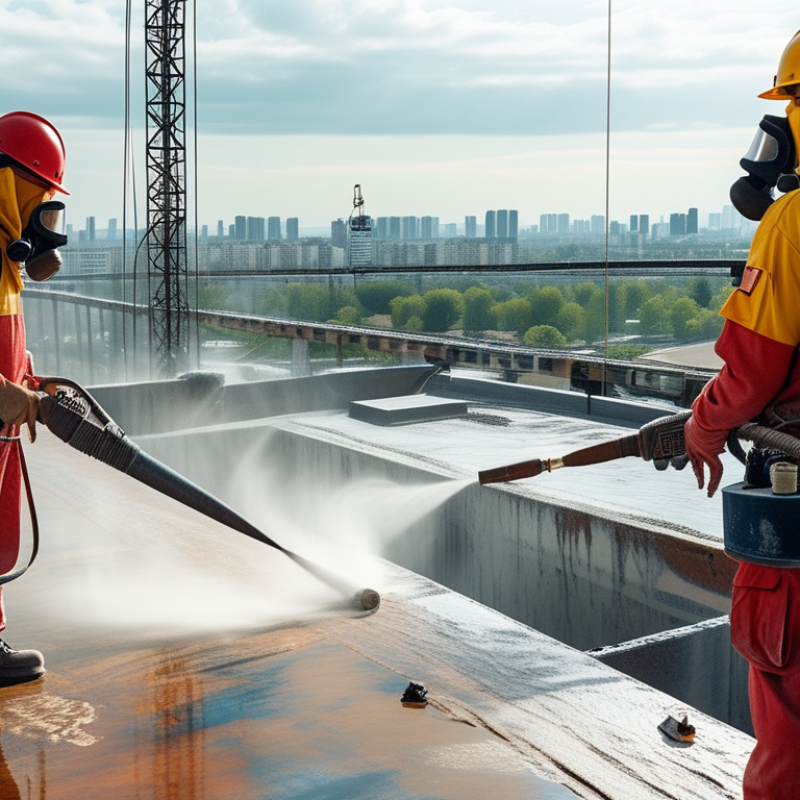
Abrasive blasting involves propelling abrasive materials against surfaces to clean or smoothen them. Despite its efficacy, this process poses significant hazards. The airborne particles generated can be hazardous to respiratory health. Workers may inhale silica or other harmful dust, leading to long-term health issues. Proper ventilation is crucial in minimizing these risks.
Safety measures should address both personal protection and workspace management. Wearing appropriate respirators and protective gear is essential. Regular monitoring of air quality enhances worker safety. Inadequate training can lead to serious accidents. Operators must understand equipment and materials. Without proper knowledge, they may overlook vital safety precautions.
Dust and noise can also affect the work environment. Conducting operations in enclosed spaces without efficient dust collection systems can escalate exposure risks. Regularly assessing the workspace setup and equipment ensures a safer operation. This ongoing evaluation helps to identify potential hazards that may arise. Safety in abrasive blasting requires constant diligence and proactive measures.
Abrasive blasting operations can pose significant risks to workers. Personal Protective Equipment (PPE) is crucial in mitigating these hazards. A study by the National Institute for Occupational Safety and Health (NIOSH) highlights that over 60% of abrasive blasting workers report experiencing respiratory issues due to inadequate protection. Proper PPE is essential for ensuring safety in this high-risk environment.
Respirators are vital. They protect against harmful dust and particles. A fitted respirator should be worn at all times. Eye protection, such as goggles or face shields, is important as well. Eye injuries can occur quickly in abrasive blasting. It's reported that nearly 40% of injuries in this field are eye-related. Wearing durable, impact-resistant eyewear can significantly reduce this risk.
Remember to inspect PPE regularly. Damaged gear can lead to serious injuries. Understanding the limitations of PPE is also crucial. Workers should receive regular training on its proper use. Compliance with OSHA standards is necessary. Failing to adhere can result in dangerous exposure. Regular assessments should be done to ensure that the equipment is effective and maintained properly.
Abrasive blasting operations generate significant dust and debris. Effective worksite safety measures are crucial to protect workers. According to the U.S. National Institute for Occupational Safety and Health (NIOSH), exposure to airborne dust can cause respiratory illnesses. Studies indicate that about 50% of workers in abrasive blasting face dust-related health risks.
Controlling dust starts with proper equipment. Using vacuum systems can capture dust at the source. This minimizes airborne particles, ensuring cleaner air for workers. Additionally, wet blasting methods can significantly reduce dust. A report from the Occupational Safety and Health Administration (OSHA) noted a 70% reduction in dust levels with wet methods. However, supervisors must often assess the effectiveness of equipment and methods used.
Personal protective equipment (PPE) is vital but not foolproof. Respirators and protective gear are essential. Yet, they cannot substitute for effective dust control. Moreover, training workers on the importance of dust management is often overlooked. Regular training sessions could improve awareness and compliance. Inadequate training can lead to dangerous exposures. A systematic approach to dust control can drastically improve safety and health outcomes.
Abrasive blasting generates significant dust and particles. Ensuring proper ventilation is crucial. It helps maintain air quality and protects workers. The workspace must be well-ventilated to prevent harmful toxins from accumulating. This can be achieved through exhaust systems and effective air circulation.
Monitoring air quality is equally important. Regular checks can identify harmful levels of particles and vapors. Using handheld meters can provide real-time data. These measures should be routine to ensure ongoing safety. Workers should also wear protective gear, but equipment cannot replace good air quality management.
Facility layout may need adjustment. Heavily trafficked areas require more ventilation. Dust can settle on surfaces, creating slip hazards. Continuous airflow helps manage this risk. Teaching workers about ventilation systems enhances safety awareness. Reflecting on these aspects provides opportunities for improvement in safety protocols.
Abrasive blasting operations pose inherent risks that require stringent safety measures. Emergency procedures are critical. According to the Occupational Safety and Health Administration (OSHA), lacking proper protocols leads to increased injury rates. Having a first aid kit easily accessible can save lives. Each blasting site should ensure that staff are trained in these emergency procedures.
First aid for abrasive blasting incidents should be comprehensive. Common injuries include eye damage and skin abrasions. Eye injuries can result in permanent damage if not treated promptly. Users should flush affected eyes with water for at least 15 minutes. Skin injuries should be cleaned and bandaged without delay. Training on these first aid measures should occur regularly, with simulations to enhance preparedness.
Despite these guidelines, data shows many workers remain unaware of proper emergency protocols. A report from the National Institute for Occupational Safety and Health (NIOSH) indicates that nearly 40% of workers lack basic first aid training. This gap highlights the need for ongoing education. Reviewing emergency procedures and performing drills is essential for creating a safer working environment. Adjusting protocols based on real incidents can enhance preparedness and response efficacy.
: PPE helps mitigate significant risks, especially respiratory issues reported by over 60% of workers.
Fitted respirators are vital. They protect against harmful dust and particles effectively.
Regular inspections are crucial. Damaged gear can lead to serious injuries.
Durable, impact-resistant goggles or face shields are important to prevent eye injuries.
Flush affected eyes with water for at least 15 minutes immediately.
Many workers are not. Nearly 40% lack basic first aid training.
Clean and bandage skin injuries without delay to avoid complications.
Regular reviews and simulations can enhance emergency preparedness and response.
Non-compliance can lead to dangerous exposure and increased injury rates.
Essential supplies for eye and skin injuries must be readily available for quick access.
Abrasive blasting operations can pose significant hazards if safety measures are not adequately implemented. To ensure safety during abrasive blasting operations, it is crucial to understand the processes involved and the inherent risks. Proper personal protective equipment (PPE) is essential, including respirators, gloves, and protective suits, to safeguard workers from harmful dust and debris.
Additionally, effective worksite safety measures such as controlling dust and debris are vital. Implementing appropriate ventilation and air quality management can significantly reduce the risk of exposure to airborne contaminants. Finally, establishing clear emergency procedures and first aid protocols will ensure that workers are prepared to respond promptly to any incidents that may occur during abrasive blasting, further enhancing overall safety in the workplace.
