Blatrixo Machine Blatrixo Machine

How to Remove Rust and Scale in 2026?

Time:2026-10-07 Author:Charlotte
0%

Rust and scale can turn clean metal into a rough, unreliable surface. A red-brown stain may signal deeper corrosion beneath the finish. White or gray scale often points to mineral deposits, heat, or prolonged moisture. Removing both requires more than aggressive scrubbing.

In 2026, property owners and maintenance teams have several practical options. Wire brushing works well on light rust and loose scale. Abrasive blasting can prepare larger steel surfaces quickly. Chemical rust removers may reach pits that brushes cannot touch. For heat exchangers and plumbing components, approved descaling solutions can dissolve mineral buildup more evenly. The right choice depends on the metal, deposit thickness, access, and final surface requirements.

So, which methods are best for removing rust and scale? This guide compares mechanical, chemical, electrochemical, and lower-impact approaches. It considers real working conditions, not just laboratory results. A small steel bracket may need a hand brush and rust converter. A corroded tank may require controlled blasting, waste collection, and professional inspection. Safety data sheets and manufacturer instructions should guide every chemical application. Gloves and eye protection remain essential.

There is no universal winner. A method that saves time on steel may damage aluminum. I have also seen clean-looking surfaces rust again because moisture remained in hidden seams. That mistake is easy to underestimate. Effective treatment includes removal, rinsing or neutralization when required, thorough drying, and suitable protection. Results should be checked under bright light and measured against the intended service conditions.
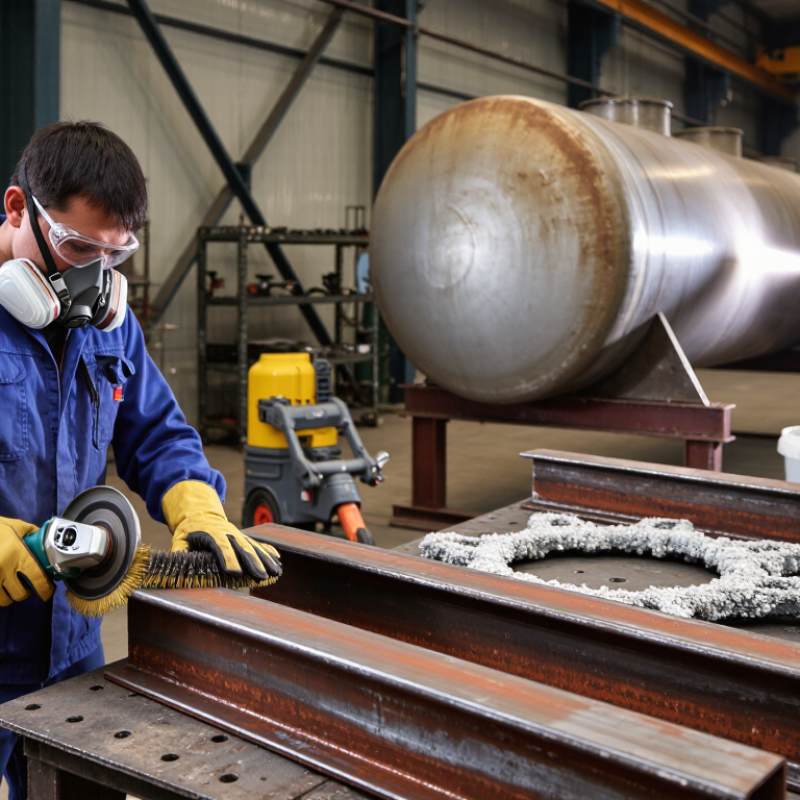
How to Remove Rust and Scale in 2026?

Understanding Rust and Scale on Different Surfaces

How to Remove Rust and Scale in 2026?

Rust and scale may look similar, but their chemistry differs. Rust forms when iron or steel reacts with oxygen and moisture. Scale usually contains calcium carbonate, magnesium salts, or silica. The surface decides the risk. Bare steel can lose metal beneath rust. Glass may only show a cloudy mineral film. Tile grout can absorb deposits and remain stained after cleaning.

A widely cited IMPACT corrosion study estimated global corrosion costs at about 2.5 trillion US dollars annually, equal to 3.4% of global economic output. That figure shows why surface identification matters before treatment. On steel, remove loose rust mechanically, then apply a compatible acidic or chelating cleaner. On stainless steel, avoid chloride-rich products, which can trigger pitting. Use a non-abrasive pad and rinse thoroughly. Small details matter.

Scale needs a different approach. Mild acids can dissolve carbonate deposits on glass, ceramic, and plumbing fixtures, but natural stone may etch permanently. The World Health Organization notes that calcium and magnesium largely determine water hardness, making mineral buildup more likely in hard-water areas. Test a hidden patch first. I have seen “safe” cleaners dull polished surfaces within minutes. That mistake is easy to repeat. Concentration, contact time, temperature, and rinsing should be recorded, not guessed. For valuable equipment, follow the relevant material-safety data and surface-care standard before full application.

How to Remove Rust and Scale in 2026?

Understanding Rust and Scale on Different Surfaces

Calcium carbonate scale is relatively soft, with a typical Mohs hardness of about 3, so mild acids such as citric or acetic acid can dissolve it. Hematite-rich rust is harder and should usually be treated with a rust remover or chelating agent before gentle brushing. Glass, porcelain, and chrome-plated surfaces can be scratched by abrasive tools, so use a non-abrasive pad and test any cleaner on an inconspicuous area first.

The chart uses representative Mohs hardness values. Natural mineral hardness and manufactured surface hardness can vary by composition, coating, and finish. Never mix acidic cleaners with bleach.

Choosing Safe Tools, Chemicals, and Protective Equipment

Removing rust and scale in 2026 starts with choosing control, not the strongest chemical. For light rust, a nylon brush, plastic scraper, and warm water can prevent unnecessary surface damage. Use metal tools carefully because they may scratch softer surfaces. For mineral scale, a mild citric-acid solution may work on compatible materials. Read the safety data sheet before mixing or applying any cleaner.

Protective equipment must match the task. Wear sealed eye protection, chemical-resistant gloves, long sleeves, and slip-resistant footwear. Thin disposable gloves are not universal protection. Check their resistance against the cleaner. Work with strong ventilation, especially indoors. A respirator should only be selected according to the product guidance and exposure risk. Never combine acids with chlorine products. Dangerous gas can form.

Test the cleaner on a hidden area first. Watch for discoloration, bubbling, or a soft surface. Apply a small amount, wait briefly, then rinse as directed. Keep a bucket of clean water nearby for accidental skin contact, but follow the product’s emergency instructions. I still sometimes underestimate how quickly scale returns around damp joints. That is a useful reminder to dry the surface fully and repair the moisture source. Label every container clearly, and store chemicals away from heat, children, and incompatible materials.

Preparing the Surface Before Rust and Scale Removal

Removing rust and scale starts before any chemical or abrasive touches the surface. I inspect the material, its thickness, and nearby connections. Rust on steel behaves differently from scale on painted metal. A small test area helps confirm the deposit and the surface condition. It also prevents an expensive mistake.

I begin by removing loose flakes with a stiff, non-damaging brush. Dust, oil, and moisture must leave the work area. Degreasing is essential because oily films can hide pits and weaken treatment results. I check seams, edges, bolt heads, and low points where water collects. These areas often hold the most stubborn corrosion.

Clean and dry matters.

The surrounding surface needs protection from dust, splashes, and runoff. I use suitable gloves, eye protection, ventilation, and containers for collected residue. On older or fragile surfaces, aggressive scraping can expose fresh damage. I once rushed this step and created deeper scratches than the rust itself. That experience changed my process. Now, I photograph the surface, note visible pits, and test a small hidden section before choosing a brush, abrasive, or rust remover. If the metal feels thin, flakes under light pressure, or shows deep pitting, I stop and seek a qualified assessment. Preparation may seem slow, but it reveals the real problem and gives removal work a cleaner, safer starting point.

Removing Rust and Scale Step by Step

How to Remove Rust and Scale in 2026?

Removing rust and scale starts with inspection, not aggressive scrubbing. Record the metal type, affected area, moisture source, and deposit thickness. The IMPACT corrosion study estimated global corrosion costs at $2.5 trillion annually, equal to about 3.4% of global gross domestic product. Better maintenance could reduce these losses by 15–35%. That figure supports a careful, documented process. Remove loose dirt with a nylon brush. Apply a suitable rust remover according to its label and dwell time. Never mix cleaning chemicals. Rinse thoroughly, then dry the surface completely.

Scale needs a different approach. Mineral deposits often form around valves, heaters, pipes, and joints. Use a compatible descaling solution, beginning with a small test area. A plastic scraper can lift softened deposits without cutting the metal. For thick layers, repeat short treatment cycles instead of forcing one long application. Inspect threads and seams with a flashlight. Hidden pitting is easy to miss. A clean appearance can mislead. The imperfect part is judgment; some surfaces need professional assessment before reuse. Document the final condition with photographs and measurements.

Tips: Wear chemical-resistant gloves, eye protection, and suitable ventilation. Check the safety data sheet before application. Keep acids away from sensitive alloys unless compatibility is confirmed. After cleaning, neutralize or rinse as directed, dry promptly, and apply a compatible protective coating. The U.S. Department of Energy reports that water heating commonly represents a major share of building energy use, so removing scale from heat-transfer surfaces may improve efficiency. Recheck the area after seven days. Small rust spots often return before the larger problem becomes visible.

Preventing Rust and Scale from Returning

How to Remove Rust and Scale in 2026?

Rust and scale often return because the water problem remains untreated. The NACE IMPACT study estimated global corrosion costs at $2.5 trillion annually, equal to about 3.4% of global GDP. Prevention is not cosmetic. It protects equipment, water efficiency, and operating budgets.

Start with a site inspection. Check hardness, pH, chloride levels, conductivity, and dissolved oxygen. Record pipe temperature and flow conditions. These details reveal why deposits form. Flush dead legs and low-flow sections regularly. Remove sediment before it hardens. Keep surfaces dry after cleaning, especially around joints and threaded connections.

Small details matter.

Use treated water when hardness is high. Control temperature because hotter water accelerates mineral deposition. Maintain stable flow, but avoid excessive velocity that can damage protective surfaces. After rust removal, dry the metal completely and repair damaged coatings. A clean surface can corrode again within days if moisture and oxygen remain.

The U.S. Department of Energy identifies corrosion and scale as frequent causes of reduced heat-transfer efficiency in water systems. Yet chemical treatment alone is not enough. Incorrect dosing can create new deposits or damage materials. Test the water after treatment, then adjust gradually. This step is often skipped. It should not be. Keep inspection records, including photographs, test results, and cleaning dates. Patterns become visible over time, although not every failure has an obvious cause.

How to Remove Rust and Scale in 2026? - Preventing Rust and Scale from Returning

Practical treatment and prevention guide for common household, commercial, and light industrial surfaces

Problem Typical Cause Recommended Removal Method Typical Working Conditions Prevention After Cleaning Important Safety Note
Light surface rust on carbon steel Moisture and oxygen reacting with exposed iron Brush loose corrosion away, then apply a mild citric-acid solution or a commercially prepared rust remover. Rinse thoroughly and dry immediately. pH 2–4
10–30 minutes
Apply a compatible rust-inhibiting primer or protective coating. Keep the surface dry and repair damaged paint. Acidic solutions can irritate skin and eyes. Wear gloves and eye protection and follow the product label.
Heavy rust and flaking corrosion Long-term exposure to water, salts, or humid air Remove loose scale mechanically with a scraper, wire brush, or suitable abrasive method before chemical treatment. Repeat treatment if necessary. Multiple short cycles
with inspection
Use a corrosion-resistant coating system and eliminate standing water. Inspect joints, seams, and scratches regularly. Do not remove structural metal aggressively. Severe section loss may require professional assessment.
Calcium carbonate scale on faucets and fixtures Hard water containing dissolved calcium and bicarbonate Soak removable parts in diluted white vinegar or a citric-acid solution. For thick deposits, loosen gently with a non-scratch tool. Mild acid
15–60 minutes
Wipe fixtures dry after use, improve ventilation, and use a water-softening or scale-control system where appropriate. Do not use acids on acid-sensitive stone, such as marble or limestone. Test an inconspicuous area first.
Scale inside showerheads and aerators Mineral precipitation during repeated water evaporation Remove the part if possible and soak it in diluted vinegar or citric acid. Flush all openings with clean water afterward. 15–60 minutes
at room temperature
Clean aerators periodically and reduce water contact time on exposed surfaces. Do not mix acid cleaners with chlorine-based products; hazardous gases may form.
Scale in kettles and hot-water appliances Heating hard water, which accelerates mineral precipitation Use a food-contact-appropriate descaling solution based on citric acid or another approved acid. Run a complete rinse cycle after treatment. Follow appliance instructions
and solution label
Empty standing water, descale at a regular interval, and use filtered or softened water when suitable. Never operate an appliance with an unapproved chemical solution or leave acidic liquid inside longer than directed.
Rust stains on ceramic or porcelain Iron-rich water, metal particles, or contact with rusty objects Use a mild oxalic-acid or citric-acid cleaner designed for the surface. Apply briefly, agitate gently, and rinse well. Short contact time
with frequent checking
Repair leaking metal fittings and prevent rusty tools or containers from contacting the surface. Avoid abrasive powders and metal scouring pads that can permanently scratch glazed surfaces.
Rust stains on concrete or masonry Metal oxidation, fertilizer residue, or iron-bearing water Remove dry debris, wet the surrounding area, apply a masonry-compatible rust remover, and rinse according to the instructions. Product-specific
contact time
Correct drainage problems, isolate metal from porous surfaces, and seal suitable masonry after it is completely dry. Acids may etch concrete and damage nearby plants. Protect adjacent areas and control runoff.
Scale in pipes, heat exchangers, or tanks Hard-water minerals, elevated temperature, and low flow Use a planned descaling procedure with an approved inhibited acid or mechanical cleaning method. Flush and neutralize waste as required. Based on material,
deposit thickness, and flow
Monitor hardness, temperature, pressure drop, and flow. Use water treatment and maintain recommended operating conditions. Confirm material compatibility before cleaning. Acid cleaning can damage aluminum, zinc, galvanized surfaces, seals, and some alloys.
Rust returning after cleaning Residual moisture, salts, oxygen, or incomplete removal of corrosion products Rinse to remove chemical residue, dry completely, remove remaining loose corrosion, and coat the surface without delay. Drying is essential
before coating
Control humidity, improve drainage, remove chloride contamination, and inspect coatings for scratches or pinholes. Painting over active rust or trapped moisture can cause premature coating failure.
Scale returning quickly High water hardness, excessive heating, or inadequate cleaning frequency Measure water hardness and review temperature, flow, and cleaning intervals. Descale before deposits become thick. Track trends
rather than symptoms
Consider softening, filtration, antiscalant treatment, or scheduled maintenance based on water analysis. Water-treatment equipment must be selected and maintained for the specific water chemistry and application.

FAQS

What is the safest starting point for light rust?

Begin with a nylon brush, plastic scraper, and warm water. These tools reduce unnecessary surface damage. Metal tools may scratch softer materials.

How should mineral scale be treated?

A mild citric-acid solution may help on compatible surfaces. Test a hidden area before wider application. Always read the safety data sheet.

What protective equipment is recommended?

Wear sealed eye protection, chemical-resistant gloves, long sleeves, and slip-resistant footwear. Thin disposable gloves may not resist the cleaner. Check glove compatibility first.

Can different cleaning products be mixed?

Never combine acids with chlorine products. Dangerous gas can form. Use one compatible product at a time.

How should a surface be prepared before removal?

Remove loose flakes with a stiff, non-damaging brush. Clear away dust, oil, and moisture. Check seams, edges, bolt heads, and low points.

Why should the cleaner be tested first?

A hidden test can reveal discoloration, bubbling, or softening. Apply a small amount, wait briefly, and rinse as directed. I once rushed this step.

What should be done when metal looks thin or deeply pitted?

Stop applying pressure when the surface flakes easily or shows deep pits. Seek a qualified assessment. Aggressive scraping may expose fresh damage.

How can rust and scale be prevented from returning?

Inspect water hardness, pH, chlorides, conductivity, and dissolved oxygen. Keep surfaces dry, flush low-flow sections, and repair damaged coatings. Scale returns quickly around damp joints.

Why is water treatment alone not enough?

Incorrect dosing may create deposits or damage materials. Test the water after treatment, then adjust gradually. Keep photographs, test results, and cleaning dates.

Conclusion

Rust and scale can develop on metal, tile, stone, tools, pipes, and other surfaces, but each material requires a different treatment. This guide explains which methods are best for removing rust and scale while emphasizing surface compatibility and safety. It covers how to choose suitable brushes, scrapers, cleaning solutions, gloves, eye protection, and ventilation before beginning any work. Proper preparation, including removing dirt, protecting nearby areas, and testing a small hidden section, helps prevent damage and improves results.

The step-by-step process focuses on loosening deposits, applying an appropriate rust or scale remover, gently scrubbing the surface, rinsing away residue, and drying everything thoroughly. It also explains when repeated treatment may be necessary and how to avoid aggressive techniques that can scratch or weaken the material. Finally, the guide presents practical prevention strategies, such as controlling moisture, improving ventilation, applying protective coatings when suitable, and inspecting vulnerable areas regularly to keep rust and scale from returning.

Charlotte

Charlotte

Charlotte is a seasoned marketing professional with a deep understanding of the company's portfolio and a passion for elevating its presence in the market. With a keen eye for detail and a commitment to excellence, she ensures that our professional blog is regularly updated with insightful articles......