Blatrixo Machine Blatrixo Machine

How to Reduce Dust in Abrasive Cleaning Operations Effectively?

Time:2026-07-29 Author:Charlotte
0%

Dust generation in abrasive cleaning operations is a critical concern for industries ranging from manufacturing to construction. Research indicates that exposure to airborne particulate matter can lead to respiratory issues and reduced overall health for workers. In fact, the OSHA reports that hazardous dust constitutes a significant risk factor in workplaces, underscoring the urgent need for effective strategies. Therefore, knowing how to reduce dust in abrasive cleaning operations is vital for maintaining safety and productivity.

Implementing dust control measures can drastically improve air quality. For instance, using wet methods or efficient vacuum systems can minimize dust dispersal during operations. A report by the National Institute for Occupational Safety and Health (NIOSH) highlights that these methods can reduce dust levels by up to 90%. However, many operations may still struggle with incomplete dust management, leading to potential harm.

Continuous assessment and improvement of dust control techniques are essential. Each operation presents unique challenges that may require tailored solutions. Despite existing technologies, some solutions might not be fully effective, revealing an area for ongoing improvement. Addressing these gaps will enhance safety and operational efficacy, making it crucial for industries to understand how to reduce dust in abrasive cleaning operations.
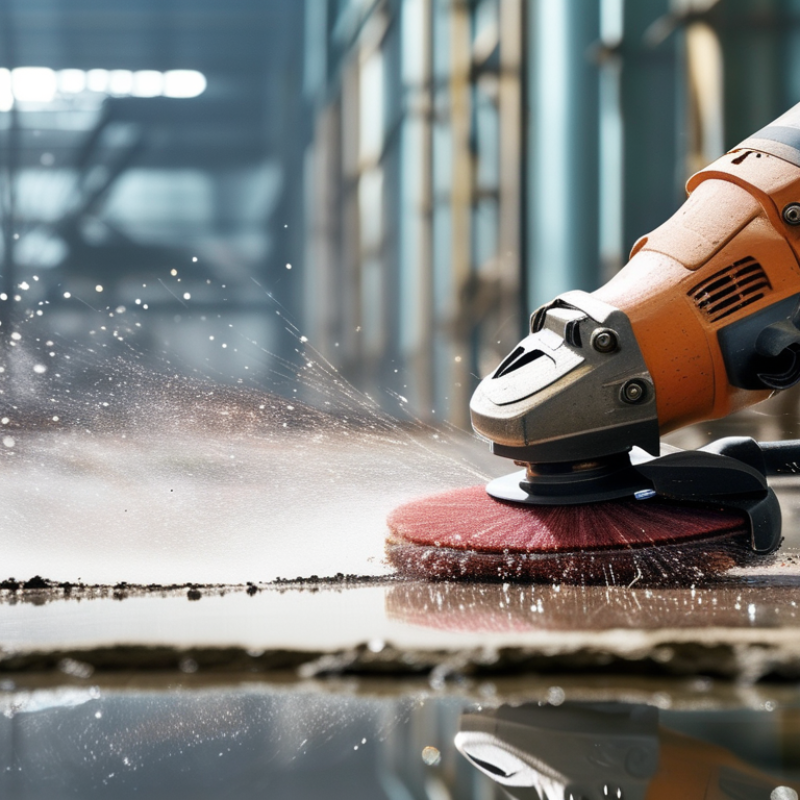
How to Reduce Dust in Abrasive Cleaning Operations Effectively?

Understanding the Sources of Dust in Abrasive Cleaning Operations

Abrasive cleaning operations create various dust sources, impacting both the workspace and the health of workers. One of the primary contributors is the abrasive material itself. As these materials are used, they break down and generate fine particles. When operators use them, dust easily disperses into the air. Contaminants can also be introduced from the surfaces being cleaned, which further adds to the dust levels present.

Another significant source is the equipment used in these operations. Machines designed for abrasive cleaning can wear over time, which leads to more dust production. If not maintained correctly, they can exacerbate dust creation. Additionally, environmental factors play a role. Open spaces, lack of ventilation, and even the weather can influence dust levels. During dry conditions, dust particles can linger longer, creating a challenging scenario for operators.

Understanding these sources is crucial. It highlights the importance of selecting the right abrasive materials and maintaining equipment. Strategies should include implementing better dust control measures, such as adding vacuum systems or water misting. However, such methods need ongoing evaluation. Operators must continually assess which strategies effectively minimize dust, considering the unique circumstances of each workspace.

Evaluating Different Abrasive Cleaning Methods for Dust Reduction

In abrasive cleaning operations, dust management is crucial for health and efficiency. Different cleaning methods yield varying levels of dust generation. For instance, wet blasting effectively minimizes airborne particles, but requires careful handling of water and contaminants. Dust created during dry blasting can escape containment. This method often leads to excess cleanup efforts and reduced visibility.

Using vacuum-assisted systems can help significantly. They capture dust directly at the source. Operators must monitor equipment efficiency to avoid leaks. However, they can still struggle with maintaining suction power over extended periods.

Another solution is using biodegradable abrasives. These materials break down easier, reducing environmental impact. Yet, users should assess their effectiveness against traditional abrasives.

Each cleaning method brings its own set of challenges. While some may be more effective in reducing dust, operators should reflect on sustainability. Implementing a combination of techniques can yield better results. It's essential to weigh the pros and cons of each approach. Dust reduction isn't merely about choosing a method; it's about creating a cleaner workspace.

Implementing Effective Dust Control Equipment and Technologies

Effective dust control in abrasive cleaning operations is essential for maintaining a safe work environment. According to the Occupational Safety and Health Administration (OSHA), dust can lead to serious respiratory issues. This risk highlights the importance of implementing effective dust control equipment and technologies. A well-designed dust collection system can capture up to 99% of airborne particles, greatly reducing the risk of occupational diseases.

Recent studies show that using high-efficiency particulate air (HEPA) filters can significantly enhance dust collection rates. Implementing vacuum-assisted tools can also minimize dust emissions during abrasive cleaning. These tools allow operators to perform tasks while capturing dust at the source. Furthermore, regular maintenance of these systems ensures they operate efficiently, avoiding the risk of increased dust exposure due to equipment neglect.

However, finding the right balance between equipment cost and effectiveness can be challenging. Some facilities hesitate to invest in advanced dust control technologies. This can lead to higher long-term costs associated with employee health issues and regulatory fines. Industry reports indicate that untreated dust can lead to an increase in work-related illnesses by 30%, which emphasizes the need for proactive dust management strategies. Investing in effective dust control is not just a regulatory requirement; it is also a responsibility towards workforce health and safety.

Training Personnel on Best Practices for Minimizing Dust Emissions

Training personnel on best practices for minimizing dust emissions is essential in abrasive cleaning operations. Personnel should understand the importance of controlling dust. Proper training can lead to significant reductions in airborne particles.

Effective training includes teaching employees about dust sources. They should identify common dust generation activities. For example, employees should know the best ways to use machinery. Knowing how to operate equipment correctly can reduce dust clouds. Practical demonstrations can enhance understanding. Hands-on training is often more memorable than lectures.

**Tips:** Encourage workers to wear personal protective equipment. This reduces their exposure to dust even when it’s unavoidable. Regular refresher courses can keep information fresh. A culture of safety and awareness promotes better practices.

Communication is key. Workers should feel comfortable reporting dust issues. Creating an open environment fosters responsibility. When everyone understands dust control, safer operations result. Reflection on daily practices will lead to continuous improvement.

How to Reduce Dust in Abrasive Cleaning Operations Effectively? - Training Personnel on Best Practices for Minimizing Dust Emissions

Best Practice Description Effectiveness (%) Training Frequency (Weeks)
Use of Wet Methods Applying water or moisture during abrasive cleaning to suppress dust. 85 4
Ventilation Systems Using local exhaust ventilation to capture dust at the source. 90 6
Dust Control Equipment Implementing vacuum systems and dust collectors to minimize airborne particulate. 88 8
Personal Protective Equipment (PPE) Providing appropriate masks and respirators to workers. 75 2
Worker Training Programs Educating staff on dust management techniques and safety protocols. 80 3

Monitoring and Maintenance Strategies for Ongoing Dust Management

Effective dust management in abrasive cleaning operations is crucial for worker safety and process efficiency. Ongoing monitoring and maintenance strategies play a vital role in minimizing dust exposure. Regular assessments of the work environment are necessary. This involves measuring dust levels and the effectiveness of current dust suppression measures. It ensures that the control measures remain effective over time.

Tips: Implement a routine check on dust control equipment. Replace filters and maintenance parts as needed. Create an easy-to-follow checklist for daily operations. Conduct training sessions to familiarize employees with dust management practices. Awareness is a key factor in reducing dust levels.

Maintaining equipment and monitoring dust levels is not a one-time effort. Operators may overlook minor issues that can escalate into larger problems. For instance, a small air leak can significantly increase dust dispersion. Frequent checks help identify these issues early. Encourage feedback from workers about dust conditions. Their insights can reveal areas needing improvement, even if they seem minor at first.

Dust Particle Reduction in Abrasive Cleaning Operations

FAQS

: Why is dust management important in abrasive cleaning operations?

: Dust management protects worker health and enhances operational efficiency. It reduces respiratory risks associated with airborne particles.

How does wet blasting minimize dust?

Wet blasting uses water to trap airborne particles, minimizing dust generation. However, it requires careful handling to avoid contamination.

What are vacuum-assisted systems used for?

These systems capture dust at the source during cleaning tasks. They help reduce cleanup efforts and prevent dust from escaping.

How can biodegradable abrasives impact dust control?

Biodegradable abrasives break down easily, lowering environmental impact. Users must evaluate their effectiveness compared to traditional options.

What is the role of HEPA filters in dust control?

HEPA filters enhance dust collection rates, capturing up to 99% of airborne particles. They are essential for effective dust control systems.

Why is regular maintenance of dust control equipment necessary?

Regular checks ensure equipment operates efficiently. Neglect can lead to increased dust exposure and long-term health risks.

What should be included in routine dust management assessments?

Assessments involve measuring dust levels and evaluating the effectiveness of current suppression measures. This ensures ongoing effectiveness.

Why is worker feedback important in dust management?

Workers can identify minor issues that may lead to larger problems. Their insights help improve dust control practices.

What challenges arise when investing in dust control technologies?

Balancing equipment costs and effectiveness can be difficult. Some facilities hesitate, risking higher long-term health costs.

How can operators ensure adherence to dust management practices?

Regular training sessions and checklists can help employees follow dust management practices. Awareness is crucial for reducing dust levels.

Conclusion

In addressing the challenge of how to reduce dust in abrasive cleaning operations, it is essential to first understand the various sources of dust generated during these tasks. By evaluating different abrasive cleaning methods, organizations can identify those that minimize dust emissions effectively. Implementing advanced dust control equipment and technologies is crucial in creating a cleaner work environment and enhancing safety for personnel.

Moreover, training staff on best practices for minimizing dust is vital, ensuring that everyone is equipped with the knowledge to contribute to dust reduction efforts. Finally, establishing monitoring and maintenance strategies allows for continuous assessment and optimization of dust management practices, ensuring long-term effectiveness in maintaining a dust-free workplace.

Charlotte

Charlotte

Charlotte is a seasoned marketing professional with a deep understanding of the company's portfolio and a passion for elevating its presence in the market. With a keen eye for detail and a commitment to excellence, she ensures that our professional blog is regularly updated with insightful articles......