Blatrixo Machine
In the world of metal processing, achieving optimal surface finishing quality is crucial. Many manufacturers often struggle with this critical aspect. They face various challenges that can impact their overall production efficiency. Understanding how to improve surface finishing quality in metal processing requires both technical expertise and practical experience.
Surface finishing affects the durability and appearance of metal products. Yet, many factories overlook finer details. Effective techniques can enhance both functionality and aesthetics. Factors such as machining parameters, tool selection, and material properties play significant roles. However, improvements require ongoing reflection and adaptation.
Despite advancements in technology, some struggles are persistent. Inconsistent processes can lead to poor quality. A focus on continuous learning and innovation is essential. Companies must be willing to question their methods. This openness to improvement can lead to significant gains in quality and customer satisfaction.
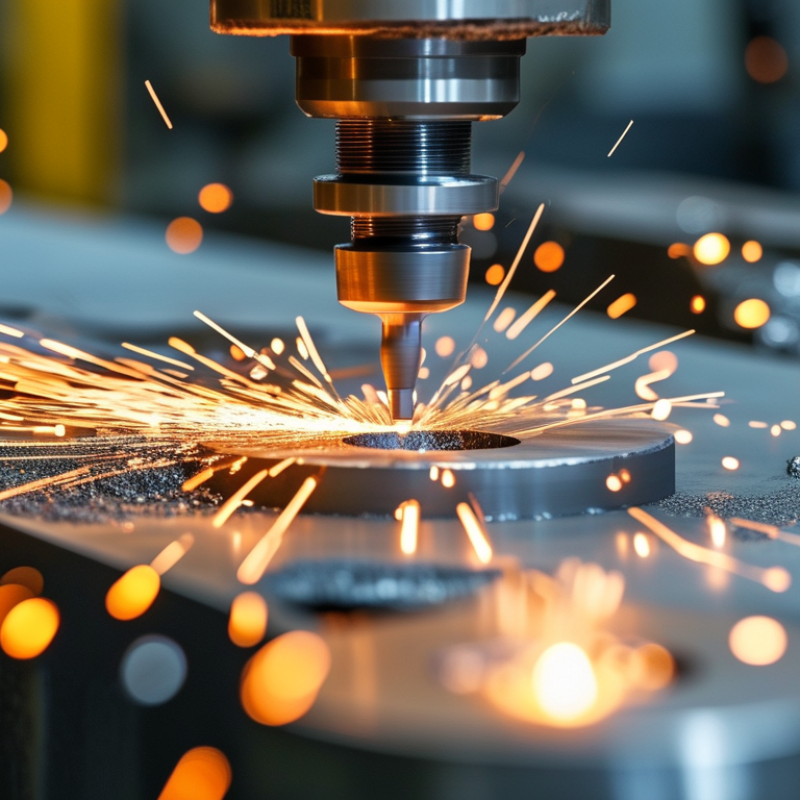
Surface finishing is a crucial step in metal processing. It enhances appearance and performance. Various techniques exist, including polishing, grinding, and coating. Each method has unique benefits and applications, but not all produce perfect results. Imperfections can arise from process errors or material inconsistencies.
Understanding the factors affecting surface quality is essential. For example, proper equipment settings influence the final outcome. Incorrect speeds or pressures can lead to scratches and uneven surfaces. Additionally, operator skill plays a vital role. Inexperienced workers may overlook details, resulting in flaws.
Quality control is paramount in achieving desired results. Regular inspections can catch defects early. However, relying solely on inspection is not enough. Continuous training and improvement of techniques are essential. This ensures consistent quality in surface finishing.
Achieving high-quality surface finishes in metal processing is vital for performance and aesthetics. There are several common techniques that can enhance surface quality. One effective method is abrasive finishing. This involves using various materials to polish the surface, creating a smooth texture. Reports indicate that this technique can improve surface roughness by up to 80%.
Another popular technique is electropolishing. This process eliminates surface imperfections while also enhancing corrosion resistance. Studies have shown that electropolishing can significantly increase the lifespan of components by up to 30% under harsh conditions. However, it is crucial to implement this method correctly. Misapplication can lead to inadequate finishing instead of improvements.
Tip: Always conduct a small test on a sample piece. This helps avoid costly errors that can arise from improper application. Additionally, consider the substrate material. Some metals respond better to specific finishes than others.
Lastly, laser finishing has gained traction. It offers high precision and can adapt to complex geometries. Yet, this method requires skilled operators. Inadequate training can result in inconsistent finishes. Keep this in mind when investing in technology or training.
Surface finishing quality in metal processing is influenced by various key factors. The choice of material significantly affects the outcome. Different metals can react differently to finishing techniques. Consider the hardness, ductility, and alloying elements in your selection process. These material properties can lead to inconsistent results if not properly understood.
Tools used in the finishing process are critical as well. Dull or inappropriate tools can lead to poor surface quality. Regular maintenance of tools is vital. This ensures they perform effectively. Instead of assuming all tools are in good condition, routinely check and replace them as needed.
Tips: Always test the finishing process on a sample piece. This helps identify potential issues early. Additionally, monitor environmental factors like temperature and humidity, as they can impact the finishing quality too. Sometimes, slight adjustments can make significant improvements in surface finish quality. Be open to experimentation and feedback in your processes.
| Factor | Description | Impact on Quality |
|---|---|---|
| Material Selection | Choosing the right metal based on hardness, corrosion resistance, and machinability. | High |
| Surface Treatment | Processes such as anodizing, plating, or chemical treatments that enhance surface properties. | Medium |
| Machining Parameters | Speed, feed rate, and tool geometry significantly influence surface finish. | High |
| Tool Maintenance | Regular sharpening and replacement of tools to maintain performance. | High |
| Cooling and Lubrication | Effective use of coolants and lubricants to reduce friction and wear. | Medium |
| Environmental Control | Temperature and humidity levels can affect machining processes. | Low |
Surface preparation is crucial for achieving high-quality finishes in metal processing. A clean surface removes contaminants that hinder adhesion and create flaws. Methods like sandblasting or chemical cleaning effectively eliminate rust, grease, and dirt. However, it’s essential to evaluate the chosen method. Some techniques may leave micro-abrasions that become visible flaws later.
After cleaning, treatment processes like polishing or coating should be employed. These steps enhance aesthetics and corrosion resistance. Polishing creates a mirror-like finish but can be labor-intensive. Coatings offer varied finishes but might affect dimensional tolerances. It's vital to select them based on the final application requirements. Regular assessments of the finishing systems can identify issues that arise from equipment wear or contamination.
Testing the surface finish is another aspect that demands attention. Using tools like profilometers can provide valuable readings on surface roughness. Visual inspections are also helpful but can miss subtler defects. Encourage feedback from users to identify unforeseen problems. Continuous learning is crucial in this ever-evolving field.
Surface finish quality is crucial in metal processing. Various evaluation methods assess this quality. Common approaches include visual inspection, roughness measurement, and surface profile analysis.
Visual inspection remains a basic yet effective method. It allows for quick detection of imperfections. However, it lacks precision. An estimated 30% of surface defects can go unnoticed through this method alone. This is concerning as even minor flaws can impact product performance.
Roughness measurement is more quantitative. Instruments like profilometers provide detailed data. The Taylor-Hobson report states that measuring roughness accurately can improve process outcomes by up to 40%. Surface profile analysis, using 3D imaging, offers comprehensive insights. Yet, these techniques require skilled personnel and can be time-consuming. The industry must balance reliability with efficiency to ensure optimal surface finishing.
: Surface finishing enhances the appearance and performance of metal. It is an essential step in the processing.
Techniques include polishing, grinding, and coating. Each has unique benefits but may not yield perfect results.
Proper settings ensure quality outcomes. Incorrect speeds or pressures can cause scratches or uneven surfaces.
Skilled operators notice details. Inexperienced workers might overlook issues, leading to flaws in the final product.
Quality control helps catch defects early. Regular inspections alone are not enough for maintaining consistent quality.
Methods like sandblasting or chemical cleaning remove contaminants. Ensure to evaluate techniques for potential flaws.
Evaluation methods include visual inspection and roughness measurement, providing insights into surface quality.
It can miss up to 30% of defects. Minor flaws can significantly affect performance, which is concerning.
Accurate roughness measurement can improve outcomes by 40%. It requires specific tools and skilled personnel.
The field evolves, and continuous learning helps adapt to new methods and improve surface finishing techniques.
In the article "How to Improve Surface Finishing Quality in Metal Processing," the importance of surface finishing in enhancing the functional and aesthetic properties of metal products is emphasized. The article outlines common techniques such as polishing, grinding, and coating, which are essential for achieving high-quality finishes. It also discusses key factors influencing surface finishing quality, including material properties, processing methods, and environmental conditions.
Best practices for surface preparation and treatment are presented, highlighting the significance of proper cleaning and pre-treatment processes. Additionally, the article details various evaluation methods to assess surface finish quality, ensuring that manufacturers can maintain high standards. Overall, understanding these elements is crucial for anyone looking to effectively improve surface finishing quality in metal processing.
