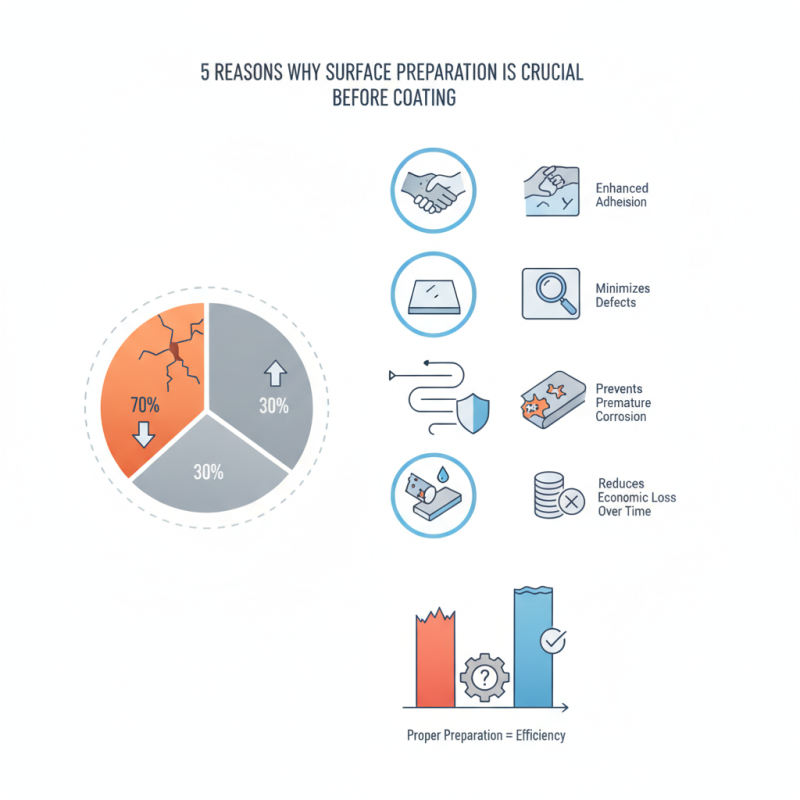
Surface preparation is a critical step that directly impacts the effectiveness of coatings in various industries. Recent studies reveal that up to 70% of coating failures are linked to inadequate surface preparation. This statistic alone highlights why surface preparation is important before coating. Proper preparation enhances adhesion, minimizes defects, and extends the longevity of the coated surface.
Additionally, industry reports indicate that unprepared surfaces can lead to premature corrosion, especially in harsh environments. For instance, the National Association of Corrosion Engineers states that improper surface treatments contribute to significant economic losses annually, estimated at around $276 billion in the U.S. alone. As professionals in the field, we must recognize the intricate relationship between surface quality and coating performance.
While achieving optimal surface preparation is essential, it can be a complex process. It requires a deep understanding of surface conditions and the right techniques. Often, organizations overlook this foundational step, resulting in reduced efficiency and increased costs over time. Acknowledging these pitfalls is crucial for ensuring that surface preparation is prioritized in any coating project.
Importance of Surface Preparation in Coating Applications
Proper surface preparation is vital in coating applications. A clean, well-prepared surface enhances adhesion, ensuring the coat bonds effectively. Without this, the longevity of the coating diminishes. Surface contaminants like dirt, oil, or dust can lead to peeling or flaking.
Imagine applying paint over a greasy surface; it simply won’t adhere well, resulting in a disappointing finish.
When preparing a surface, consider the method of cleaning. Sanding, blasting, or chemical cleaning are common techniques. Each method has its own benefits and challenges. For example, blasting can be efficient but might damage softer materials. It’s essential to choose a method that suits the substrate.
Tip: Always perform a test patch before completing a large area. This way, you can evaluate how well the coating adheres and make adjustments if needed.
Assess the surface for imperfections like rust or dents. These flaws can impact the overall appearance and durability. Proper filling and smoothing will create a better foundation.
Tip: Take your time during preparation. Rushing this step can result in costly mistakes later. A little patience goes a long way in achieving a professional finish.
Common Surface Contaminants That Affect Coating Adhesion
Surface preparation plays a vital role in ensuring the longevity of coatings. Contaminants on surfaces can severely hinder adhesion, leading to premature failure of the coating. Common stimulants include oil, dust, and moisture. According to a report by the Society for Protective Coatings, as much as 50% of coating failures result from inadequate surface preparation.
Oil residues can act as a barrier between the substrate and the coating. This barrier prevents the two from bonding effectively. Dust particles, even in small quantities, can trap moisture, leading to corrosion under the coating. A study by the Coating Industry Association suggests that surfaces should be cleaned to a minimum standard to achieve a 95% adhesion rate.
Tip: Always perform a degreasing process before coating. Use appropriate solvents based on surface material. Ensure the surface is dry, as moisture can promote delamination.
Sometimes, overlooked contaminants create problems. Contaminants like chalk and rust can weaken adhesion. A report found that surfaces with rust had a 30% lower adhesion strength compared to clean substrates. Regular inspections can identify these issues early on.
Tip: Test adhesion strength with simple methods, like tape tests, to evaluate surface condition before proceeding. This can save time and resources in the long run.
5 Reasons Why Surface Preparation is Crucial Before Coating
| Reason |
Description |
Common Contaminants |
| Improves Adhesion |
Proper preparation enhances the bond between the substrate and the coating. |
Dust, Oil, Grease |
| Removes Contaminants |
Cleaning the surface eliminates any contaminants that may hinder the coating performance. |
Rust, Paint Chips |
| Enhances Coating Performance |
A well-prepared surface ensures the coating performs as intended. |
Moisture, Chemical Residues |
| Preventing Failures |
Proper preparation reduces the risk of coating failure, such as peeling or blistering. |
Soil, Biological Growth |
| Cost Efficiency |
Investing in surface preparation can save costs on repairs and reapplication. |
Adhesive Residue, Surface Coatings |
Techniques for Effective Surface Preparation Before Coating
Effective surface preparation is essential for successful coating applications. Studies indicate that improper preparation can lead to a 30% increase in coating failures. The right techniques can significantly enhance adhesion, longevity, and overall performance.
One effective method is mechanical abrasion. This process removes contaminants and creates a rough surface profile. Industry reports show that using abrasive blasting can improve coating adhesion by 50% compared to untreated surfaces. Chemical cleaning is another technique. It helps in removing oils, grease, and fingerprints, ensuring a clean substrate.
Tip: Always conduct a thorough assessment before starting the preparation process.
Proper rinsing is crucial after chemical treatment. Residues can lead to delamination. Additionally, environmental factors like humidity and temperature should be monitored. Optimal conditions decrease risks of defects in coatings.
Tip: Use test patches to verify adhesion before applying the full coat.
In summary, the quality of surface preparation impacts the durability of coatings. While challenges exist, employing these techniques can lead to more robust and longer-lasting results.
Impact of Surface Texture on Coating Performance
Surface texture plays a crucial role in coating performance. When the surface is well-prepared, it enhances adhesion. A rough surface can create pockets for the coating to grip into. This can lead to a longer-lasting, more durable finish. Conversely, a smooth surface might not provide enough texture for effective bonding. Without proper texture, coatings can peel or chip easily.
The condition of the surface matters greatly. If it’s not clean or has contaminants, the coating may fail. Dirt, oil, and rust can disrupt the bonding process. An improper surface leads to inconsistent coating thickness, which affects performance. In some cases, professionals overlook these details. They may assume a simple wash is enough. Even minimal imperfections can compromise the entire job.
Attention to surface preparation is essential. Different coatings require different textures for optimal performance. Knowing the material you’re working with is key. Each project demands a tailored approach to preparation. This ensures not just adherence, but also the longevity of the finish. Inadequate preparation may result in wasted time and resources, impacting overall project success.
Long-Term Benefits of Proper Surface Preparation for Coating Durability
Surface preparation is a key step before applying any coating. Properly preparing the surface ensures that coatings adhere well and perform as intended. For instance, cleaning the surface removes impurities like dust and oil. This process helps coatings bond effectively, preventing peeling or flaking over time.
When surfaces are neglected, coatings can fail prematurely. Uneven textures or contaminants lead to weak spots. Inadequate preparation might save time upfront but costs more in repairs later. The initial effort in surface preparation often results in long-term benefits. Surfaces that are properly prepped have a longer lifespan, reducing the need for frequent recoating.
Even with the best techniques, imperfections can arise. It's important to regularly assess the condition of the surface and the coating. Identifying issues early can extend durability. Investing in thorough surface preparation is not just a best practice; it’s crucial for achieving reliable results and minimizing future maintenance.
Conclusion
Surface preparation plays a critical role in the success of coating applications, making it essential to understand why is surface preparation important before coating. It ensures the removal of common contaminants such as dust, grease, and rust that can significantly impair coating adhesion. By employing effective techniques like sanding, cleaning, or chemical treatments, one can achieve a clean surface that promotes better bonding between the coating and the substrate.
Moreover, the texture of the surface can greatly influence the performance of the coating. A properly prepared surface with the right texture can enhance adhesion, thereby extending the lifespan and durability of the coating. Ultimately, investing time and effort in thorough surface preparation leads to long-term benefits, ensuring the integrity and effectiveness of the coating process.
 Blatrixo Machine
