Blatrixo Machine
In today's fast-paced economy, understanding how global manufacturing affects demand for blasting equipment is crucial. The expansion of the manufacturing sector influences various industries, creating a ripple effect. Companies are constantly looking for efficient ways to meet production levels. Blasting equipment plays a vital role in mining, construction, and similar sectors. As global manufacturing grows, so does the need for reliable and advanced technology.
Emerging markets are becoming significant players in the manufacturing landscape. Countries like India and Brazil are ramping up production capabilities. This increased activity requires high-quality blasting equipment. Yet, with growth comes challenges. Not all regions have access to the latest technologies. Companies must navigate differing regulatory environments and supply chain issues.
Moreover, fluctuations in global demand can lead to uncertainties. Manufacturers may find it hard to predict their blasting equipment needs. How do they stay competitive? It’s a balancing act. They must adapt to changing market dynamics while ensuring quality. There are no simple answers, but understanding these complexities is essential for success.
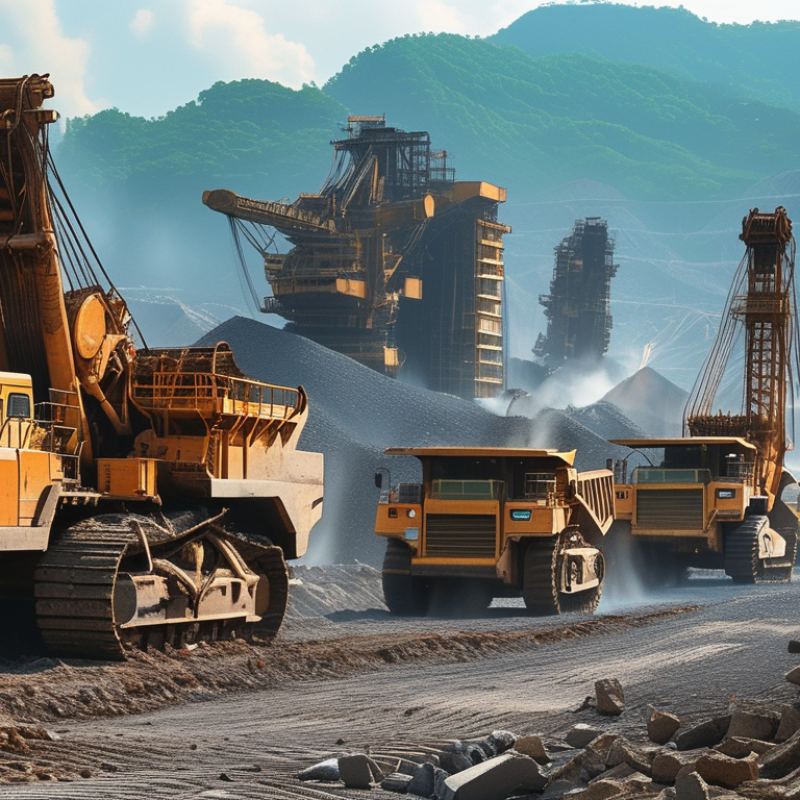
The global manufacturing landscape is rapidly evolving. Factors such as urbanization, technology advancements, and supply chain dynamics play key roles. These changes significantly impact the demand for blasting equipment. Blasting equipment is essential in mining, construction, and demolition. As manufacturing sectors grow, so does the need for efficient material handling and processing techniques.
Regions with booming industries require robust outfits. The increased production demands lead to enhanced extraction and processing activities. This, in turn, fuels the market for blasting machinery. However, the surge in demand raises concerns. Not all manufacturing practices prioritize sustainability. The environmental impact of increased blasting activities is a topic that requires more attention.
Additionally, skill shortages in the manufacturing workforce can affect equipment utilization. Companies may struggle to operate and maintain advanced blasting technologies properly. Inadequate training can result in decreased efficiency and higher operational costs. The need for skilled personnel is crucial as the industry changes. Addressing these challenges will ensure that the growth in demand for blasting equipment is both responsible and effective.
The demand for blasting equipment is closely tied to key manufacturing sectors. Industries such as mining, construction, and recycling are significant drivers of this demand. For instance, mining operations require blasting for the extraction of minerals. This process not only optimizes resource recovery but also enhances overall efficiency.
Construction projects, especially large-scale ones, utilize blasting to shape the land. Demolition tasks often rely on precise blasting techniques for safe teardown. The recycling industry also benefits from blasting equipment, as it helps in breaking down materials for reuse. Yet, reliance on such equipment raises questions about environmental impacts and worker safety.
Economic fluctuations can influence the need for blasting equipment, making companies reevaluate their practices. It's crucial for these sectors to adapt and innovate while considering both efficiency and sustainability. This balance is challenging but vital for long-term success.
Technological advancements have significantly reshaped global manufacturing. Innovations in machinery and techniques have streamlined production processes. As efficiency increases, so does the demand for reliable blasting equipment. This equipment is essential in various industries, including construction and mining.
The integration of automation and precision tools into manufacturing is noteworthy. These changes enhance productivity but also introduce challenges for equipment suppliers.
The evolution of manufacturing technologies prompts new demands for blasting solutions. These advancements require equipment that can meet higher safety and performance standards. Manufacturers seek more specialized blasting equipment for diverse applications. However, there is often a gap between evolving technology and available equipment. This disconnection can lead to inefficiencies and misplaced investments. Industry professionals need to reflect on how well current equipment adapts to these advancements.
Incorporating smart technologies into blasting practices shows potential. The use of data analytics in optimizing blasting operations is compelling. Yet, there are still hurdles to overcome. Not all manufacturers embrace these innovations equally. Understanding the pace of technological change is crucial for suppliers. They must align their offerings with the needs of the evolving market landscape. Collaboration between equipment makers and end-users can bridge this gap.
Global manufacturing significantly shapes the demand for blasting equipment. Different regions exhibit unique needs based on their manufacturing trends. For example, Asia leads in construction, driving up demand for precision blasting tools. In contrast, North America focuses on mining operations, which requires high-powered blasting systems.
Regional variations in manufacturing influence the types of blasting equipment needed. In areas with extensive resource extraction, such as Australia, there tends to be a higher demand for heavy-duty models. Here, companies prioritize durability and efficiency in their equipment choices. Conversely, in urban areas where construction is booming, lighter and more versatile equipment is favored.
Market dynamics can shift rapidly, raising questions about reliability. Manufacturers need to adapt to changing demands continuously. Strategies that work today may falter tomorrow. Regions must assess their local needs regularly to ensure effective supply chains. Increased competition also requires constant innovation. Failure to keep pace may lead to missed opportunities.
| Region | Manufacturing Output (Billion USD) | Blasting Equipment Demand (Units) | Growth Rate (Annual %) |
|---|---|---|---|
| North America | 800 | 15,000 | 5% |
| Europe | 900 | 12,000 | 3% |
| Asia-Pacific | 1500 | 30,000 | 7% |
| Latin America | 200 | 5,000 | 4% |
| Middle East & Africa | 300 | 3,000 | 6% |
The future of blasting equipment is closely tied to global manufacturing trends. According to a recent report by Global Market Insights, the blasting equipment market is expected to grow at a CAGR of over 5% by 2026. This surge stems from increasing industrial activity, particularly in developing regions. As countries invest in infrastructure, the demand for efficient and effective blasting methods rises.
Companies are focusing on advancing technology to enhance productivity. Innovations in automation and remote operation systems are becoming critical. This shift allows for safer operations and expands the capabilities of blasting equipment. However, the industry faces challenges in adapting to greener technologies. Sustainable practices are essential, yet they require substantial investment and research.
Furthermore, the integration of smart technologies into blasting operations poses complexities. Data management and analytics are crucial for optimizing performance. However, many companies struggle with implementation due to existing infrastructure limitations. As the industry evolves, maintaining a balance between innovation and traditional methods becomes vital for growth.
: Key industries include mining, construction, and recycling. These sectors significantly influence the need for such equipment.
Blasting optimizes the extraction of minerals and enhances operational efficiency. It is crucial for resource recovery.
Blasting shapes land and helps in demolition. It ensures safe and precise teardown of structures during projects.
Questions about environmental impact and worker safety often arise. Balancing efficiency with sustainability remains a challenge.
Economic fluctuations can prompt companies to reevaluate practices. They need to adapt to market conditions and technologies.
The market is projected to grow over 5% annually by 2026. This growth relates to increasing industrial activities globally.
Innovations in automation and remote operation systems are improving productivity. These advances enhance safety in operations.
Integrating sustainable practices requires significant investment. Many companies struggle with the transition due to resource constraints.
Smart technologies enable data management and analytics. However, existing infrastructure often complicates their implementation.
As the industry evolves, companies must find equilibrium. This balance ensures continued success and adaptation in a changing market.
The article titled "How Global Manufacturing Influences Demand for Blasting Equipment" explores the intricate relationship between manufacturing trends and the demand for blasting equipment. It highlights how global manufacturing landscapes shape the need for such equipment, particularly through key sectors like construction, mining, and metallurgy that drive this demand. Furthermore, technological advancements in manufacturing processes play a significant role in optimizing the efficiency and effectiveness of blasting applications.
Additionally, the article discusses regional variations in blasting equipment demand, influenced by local manufacturing practices and trends. As global manufacturing continues to evolve, the future outlook suggests that advancements in technology and changes in market dynamics will further transform the landscape of blasting equipment demand. Ultimately, understanding how global manufacturing affects demand for blasting equipment is crucial for stakeholders in the industry to navigate and adapt to these ongoing changes.
