Blatrixo Machine
In the field of mining and construction, selecting the right equipment for blasting processes is critical. The phrase "which factors influence equipment selection in blasting processes" encompasses several key considerations. Factors such as rock type, geological conditions, and the desired fragmentation all play significant roles. Each element can affect not only efficiency but also safety.
Blasting is a complex procedure that requires careful assessment. Material properties and environmental impact cannot be overlooked. Notably, human expertise and historical data significantly guide these decisions as well. However, many still underestimate the importance of equipment compatibility with specific blasting needs.
It's worth questioning: Are we fully aware of the implications of our equipment choices? Each project may present unique challenges, and past choices should shape future selection processes. Understanding the multifaceted nature of these factors is essential for optimizing outcomes in blasting operations. Ultimately, continuous learning and adaptation form the backbone of reliable and efficient blasting strategies.
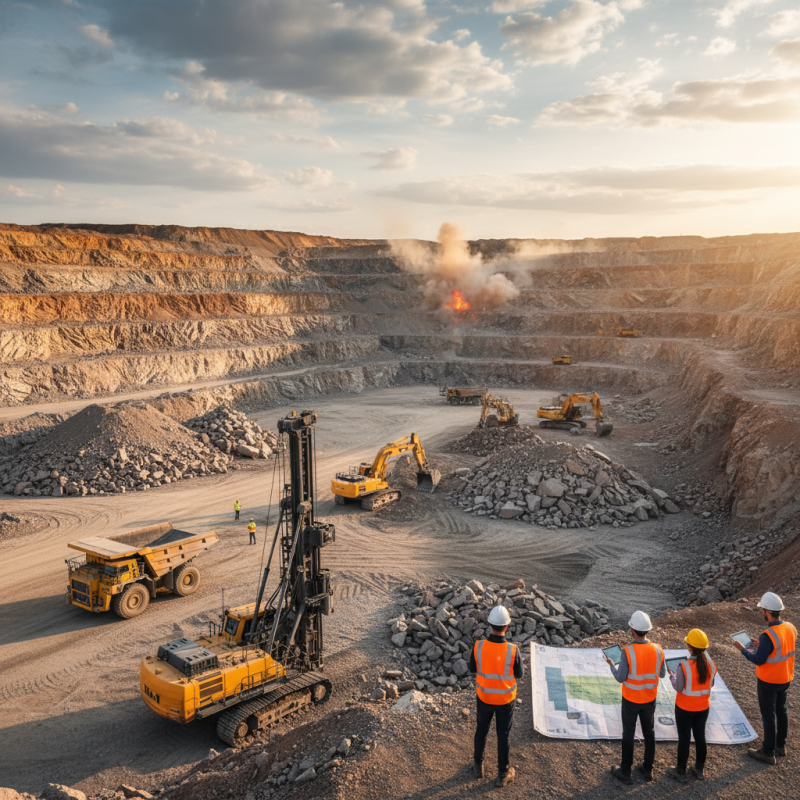
Selecting the right blasting equipment involves multiple critical factors. The type of rock, site conditions, and project size are crucial considerations. Engineers must understand the geological profile before choosing equipment. For instance, hard rock may require more powerful machines than softer materials. This understanding ensures effective blasting and reduces costs.
Safety is another essential factor influencing equipment selection. Equipment must meet safety regulations and be suited to handle the specific blasting operations. Operators should feel confident in the machinery they use. Regular training and updates on safety practices are important. However, many teams overlook these training sessions, which can lead to dangerous situations.
Environment also plays a vital role. The impact on surrounding areas must be assessed. Noise, vibration, and fly rock are potential concerns. Equipment chosen should minimize these risks. Unfortunately, some projects prioritize cost over environmental safety, which can cause long-term repercussions. Balancing performance with responsibility is not always easy but is necessary for successful blasting operations.
Blasting processes in mining operations utilize various equipment tailored to specific needs. The choice of blasting equipment impacts efficiency and safety. For instance,
drill rigs are essential for precision; their capability ranges from light to heavy-duty. According to the Mining Equipment National Survey, drill rigs account for about 30% of the total expenditure on mining equipment. Additionally, explosive delivery systems, like bulk trucks, enhance the timely and safe transport of explosives on-site.
When selecting blasting equipment, factors such as rock type and volume play a crucial role. Different equipment is suited for various mining environments. For example, in surface mining, high-capacity explosives help break large volumes of earth efficiently. In contrast, underground mining often relies on smaller, precision-focused equipment to minimize hazards. Studies show that nearly 40% of mining accidents are linked to improper equipment selection.
Tips for effective equipment selection include consulting geological surveys. Understanding rock characteristics can direct equipment choices. Regular maintenance of equipment is vital; it can prevent unforeseen breakdowns and enhance operational safety. Always evaluate the total cost of ownership. It is not solely about purchase price. Consider long-term reliability and serviceability as well. Balancing these factors ensures optimal performance and safety in blasting operations.
When selecting equipment for blasting processes, material properties play a crucial role. Different materials exhibit varying characteristics, impacting the choice of blasting techniques. For instance, hard rock requires more robust machinery due to its density and compressive strength. Conversely, softer materials may allow for lighter equipment, enhancing efficiency.
The texture and mineral composition of materials also influence equipment selection. Materials with high moisture content might necessitate different blasting agents. Similarly, the presence of clay can complicate the process. Operators must consider these factors closely. Often, teams make choices based on past experiences, which can lead to oversight.
Consideration of dust generation is another aspect. Some materials produce more dust, requiring specialized equipment to minimize air pollution. This scenario reflects a broader need for adaptability in blasting operations. Operators must continually assess their methods and equipment as new material properties emerge. Learning from each project can lead to better decisions in future tasks.
Environmental considerations play a crucial role in selecting blasting equipment. Responsible operators prioritize minimizing their environmental impact. Choices can affect air quality, water sources, and surrounding ecosystems. Properly assessing these factors leads to more sustainable practices.
Noise pollution is a significant concern in blasting operations. Using quieter equipment can reduce disturbances to local wildlife and communities. The selection of materials also matters. Eco-friendly explosives can lessen harmful residues in the soil. Minimizing vibrations helps protect structures and natural habitats.
Water usage must be evaluated. Effective dust suppression techniques can control emissions and protect air quality. Assessing the landscape and its flora is essential. Each operation should focus on preserving natural resources while meeting operational goals. Thoughtful choices create a balance between efficiency and environmental stewardship.
| Factor | Description | Impact on Equipment Selection | Environmental Consideration |
|---|---|---|---|
| Noise Pollution | The level of noise generated during blasting operations. | Selection of equipment with lower noise emissions to comply with regulations. | Reduces disturbance to nearby communities and wildlife. |
| Vibration Control | Magnitude of vibrations transmitted to surrounding areas due to blasting. | Use of specialized blasting techniques and equipment to mitigate vibration. | Protects infrastructure and minimizes ecological disruption. |
| Dust Emissions | Amount of dust generated from blasting activities. | Choosing dust suppression technologies and equipment. | Improves air quality and prevents respiratory issues. |
| Regulatory Compliance | Adherence to local, national, and international environmental regulations. | Influences the selection of compliant and eco-friendly equipment. | Ensures operations remain sustainable and legally compliant. |
| Sustainability Practices | Incorporation of sustainable practices in blasting operations. | Pursuing technology that reduces energy consumption. | Promotes long-term environmental health and resource conservation. |
Economic factors play a critical role in equipment selection for blasting processes. The financial constraints can heavily dictate the choice of machinery used. A comprehensive industry study revealed that nearly 30% of project managers cite budget limitations as the primary factor in their decisions. This statistic highlights just how crucial it is to align equipment choices with available resources.
Cost-effectiveness often drives decision-making. For instance, maintenance costs, operational efficiency, and initial purchase price all weigh heavily on equipment selection. A report by the Mining Equipment Manufacturers Association indicated that equipment that offers lower operational expenditures could reduce overall project costs by 15% over its lifecycle. However, this may sometimes lead to overlooking more advanced options that could enhance productivity. In some cases, opting for cheaper alternatives can result in higher downtime or lower safety standards.
Unexpected costs can arise as well. Equipment failures or performance issues often lead to unplanned expenses, further complicating budgets. Additionally, projects that focus solely on initial costs may ignore long-term benefits. Managers need to balance short-term savings with long-term operational efficiency. This reflection underscores the need for a nuanced approach when selecting blasting equipment. Economic factors must be carefully evaluated to ensure a wise investment.
: Material properties, including hardness and density, affect the type of equipment needed.
Hard rock needs robust machinery, while softer materials allow for lighter, more efficient equipment.
These factors impact the selection of blasting techniques and materials used during operations.
High moisture content may require different blasting agents to achieve desired outcomes.
Materials that produce significant dust demand specialized equipment to control air pollution.
Responsible operations minimize effects on air quality, water sources, and ecosystems.
Quieter machinery can lessen disturbances to wildlife and local communities near blasting sites.
These explosives reduce harmful residues and contribute to more sustainable blasting practices.
Using effective dust suppression techniques helps maintain air quality and manages water resources well.
Operators need to adapt methods based on material properties and past project experiences for improvement.
The selection of equipment in blasting processes is influenced by a variety of critical factors. Firstly, the specific requirements of different mining operations dictate the types of blasting equipment utilized, which can range from explosives to detonation systems. Additionally, the properties of the materials being blasted play a significant role in determining the most effective equipment choice. For instance, the hardness, density, and moisture content of the material can all impact drilling and blasting efficiency.
Environmental considerations must also be taken into account, as equipment selection can affect noise, vibration, and dust emissions, thus necessitating compliance with regulations. Lastly, economic factors, including budget constraints and operational costs, further shape the decision-making process. Understanding which factors influence equipment selection in blasting processes is essential for optimizing performance, ensuring safety, and achieving cost-effectiveness in mining operations.
