Blatrixo Machine Blatrixo Machine

Top 5 Factors That Affect Blasting Performance and Efficiency?

Time:2026-09-02 Author:Madeline
0%

The efficiency of blasting operations hinges on various critical factors. Understanding "what factors affect blasting performance and efficiency" can significantly optimize outcomes. According to a report by the International Society of Explosives Engineers, improper blast design can lead to 20% lower productivity. Ensuring precision in the blasting process is essential for minimizing costs and maximizing safety.

Dr. Emily Thompson, a renowned expert in explosive engineering, emphasizes that “the right conditions and materials are pivotal for successful blasting.” Her insights shed light on how elements such as blast timing, charge weight, and rock properties can dramatically influence efficiency. Each factor plays a role in achieving the desired fragmentation and reducing environmental impacts.

However, missed opportunities often arise from overlooking these critical aspects. Many operations neglect to analyze their blasting data comprehensively, which can lead to inefficiencies. Continuous learning and adaptation remain crucial for improving blasting outcomes. By focusing on these factors, organizations can drive better performance and enhance safety protocols in blasting operations.
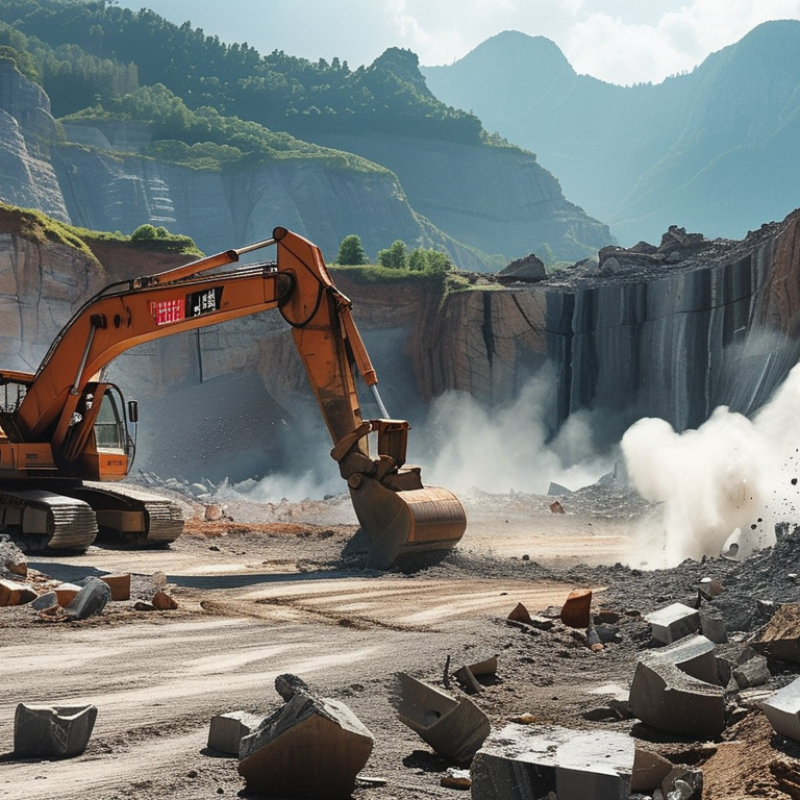
Top 5 Factors That Affect Blasting Performance and Efficiency?

Key Characteristics of Explosives Impacting Blasting Efficiency

The efficiency of blasting operations heavily relies on key characteristics of explosives. One of the most critical factors is the energy release rate of the explosive. According to industry data, explosives with higher detonation velocities tend to perform better in rock fragmentation. For instance, research indicates that explosives with detonation velocities exceeding 7,000 meters per second can enhance fragmentation significantly, leading to reduced overall costs.

Another important characteristic is the density of the explosive material. A denser explosive typically yields more energy output per unit volume. Industry studies report that the density of an explosive can directly impact the volume of rock that is effectively broken. Higher density explosives can lead to a 15-20% increase in rock fragmentation efficiency. However, this needs to be balanced with safety concerns, as denser explosives can also pose higher risks during handling and transport.

Water resistance is also a pivotal aspect of blasting efficiency. Explosives that maintain performance in wet conditions can enhance productivity. Reports suggest that over 30% of blasting operations encounter wet conditions, affecting overall results. Explosives designed for these environments have been shown to mitigate performance loss, but they may also be more costly. Thus, the selection process for explosives should carefully consider these factors to maximize efficiency while ensuring safety and cost-effectiveness.

Top 5 Factors That Affect Blasting Performance and Efficiency

Factor Description Impact on Efficiency Key Characteristics
Explosive Composition The chemical makeup of the explosive material. Directly influences the energy output and velocity of detonation. Velocity of detonation, density, and water resistance.
Loading Density The amount of explosive per unit volume in the blast hole. Higher loading densities can enhance fragmentation. Effect on shock wave propagation and blast energy distribution.
Blast Design The arrangement and timing of explosives in the blast. Optimized designs can greatly improve fragmentation and control. Timing delays, spacing, and burden and stemming design.
Geology The physical characteristics of the rock being blasted. Varies the response of the explosive and fragmentation uniformity. Rock type, jointing patterns, and moisture content.
Environmental Conditions Weather and surrounding environmental factors. Can affect the performance of explosives and dust control. Temperature, humidity, and wind speed.

Geological Conditions and Their Influence on Blasting Outcomes

Geological conditions play a pivotal role in determining the effectiveness of blasting operations. Variations in rock type, moisture content, and faulting can significantly influence the outcome. For instance, a study by the International Society of Explosives Engineers highlights that granite formations require different blast designs compared to sedimentary rocks. This is due to their varied density and tensile strength.

Moreover, the presence of groundwater can substantially impact blast performance. Water can dampen shock waves, reducing fragmentation and increasing the risk of misfires. According to the National Institute for Occupational Safety and Health, improper handling of wet geology can lead to a 15% increase in blasting costs due to inefficiencies. Small geological shifts can also affect blast stability. Monitoring these changes is crucial for optimizing blast parameters and improving safety.

Maintaining consistent communication between geologists and blasting engineers is essential. Regular assessments allow teams to adapt to geological fluctuations. However, many operations still face challenges in data integration. Disparities in geological interpretations can lead to suboptimal blast results, resulting in unforeseen costs and delays. Addressing these gaps requires ongoing reflection and commitment to collaboration in the field.

Blast Design Parameters and Their Role in Performance Optimization

When examining blast design parameters, it's essential to consider the specific geological and environmental conditions of the site. The rock type, density, and fracture patterns significantly influence how explosives behave. Using appropriate charge sizes and spacing can optimize fragmentation results. In many cases, improper calculations lead to inefficient blasting, resulting in increased costs and delays.

Another critical aspect is the timing of detonations. A well-sequenced blast minimizes vibration and enhances rock breakage. However, timing can be complex. Adjusting delays can be a trial-and-error process. An overly conservative approach might leave some rock unbroken, while too aggressive sequencing could lead to fly rock issues.

Analyzing previous blasts can provide invaluable insights. Take time to review performance results after each operation. Look for patterns and areas to improve. History shows that projects often revisit the same mistakes, impacting efficiency. Engaging experts in blast design can bring fresh perspectives, ensuring a more effective strategy is implemented.

Execution Techniques for Enhanced Blasting Results

Execution techniques play a crucial role in achieving optimal blasting performance. First, precise timing is essential. Delays between detonations should be carefully calculated. This ensures the shockwaves combine effectively, enhancing fragmentation while minimizing unwanted vibrations. Ignoring this can lead to excessive ground motion and reduced efficiency.

Another key factor is the use of appropriate explosives. The selection depends on rock type and desired breakage pattern. Mismatched explosives can lead to poor results. It's vital to assess the geological conditions before choosing. A thorough analysis helps to determine the most effective blasting approach.

Tips for improving blasting results include proper training for crew members. Well-trained operators are more likely to execute techniques effectively. Engage your team in pre-blast meetings. Discuss plans and gather valuable input. This fosters collaboration and can reveal overlooked details that enhance performance. Regularly review past blasting operations. Learning from experiences promotes continuous improvement.

Regulatory and Safety Considerations in Blasting Operations

Regulatory and safety considerations play a critical role in blasting operations. Ensuring compliance with local regulations is essential for safe blasting practices. Improper handling or storage of blasting materials can lead to serious accidents. All personnel must be well-trained and aware of safety protocols. They should understand how to handle explosives and respond to emergencies. Regular safety drills can help prepare teams for potential risks.

Site assessment is another key factor. Analyzing geological conditions and environmental impacts is crucial before any blasting occurs. This helps avoid unintended consequences such as noise pollution or ground vibrations. Communication with nearby communities can also alleviate concerns. Transparency fosters trust and can improve safety outcomes.

However, safety measures can sometimes seem redundant. Over-engineering safety processes may slow down operations. Striking a balance between efficiency and safety is challenging. Continued assessment and adaptation of protocols are necessary. Every operation is unique and requires tailored approaches to manage risks effectively.

Top 5 Factors That Affect Blasting Performance and Efficiency

FAQS

: What factors affect blasting efficiency?

: Key factors include energy release rate, density of explosives, and water resistance.

How does detonation velocity impact blasting?

Higher detonation velocities lead to better rock fragmentation and can reduce costs.

Why is explosive density important?

Denser explosives offer more energy output but can increase handling risks.

What role does water resistance play in blasting?

Explosives with water resistance maintain performance in wet conditions, enhancing productivity.

How should delays between detonations be managed?

Precise timing is crucial to ensure effective shockwave combinations and minimize vibrations.

Why is selecting the right explosives important?

The right explosives match rock type and desired breakage patterns, avoiding poor results.

How can crew training impact blasting outcomes?

Well-trained operators are better at executing techniques, improving overall performance.

What should be done before a blast?

Engaging the team in pre-blast meetings can uncover overlooked details.

How can past blasting operations contribute to improvement?

Regular reviews of past results allow teams to learn and continuously enhance processes.

What could happen if timing is ignored?

Ignoring timing can lead to excessive ground motion and reduced blasting efficiency.

Conclusion

The article titled "Top 5 Factors That Affect Blasting Performance and Efficiency" delves into critical elements that significantly influence the effectiveness of blasting operations. It outlines key characteristics of explosives, emphasizing how their properties impact blasting outcomes. Additionally, geological conditions play a crucial role, as they can either enhance or hinder blasting results based on the rock type and strata involved.

Further, the discussion covers blast design parameters, demonstrating their importance in optimizing performance. Execution techniques are also highlighted, illustrating how proper implementation can lead to improved results. Finally, the article addresses regulatory and safety considerations, underscoring the importance of compliance in ensuring both operational success and safety. Overall, understanding what factors affect blasting performance and efficiency is vital for achieving optimal outcomes in any blasting operation.

Madeline

Madeline

Madeline is a dedicated marketing professional with a wealth of expertise in our company's core offerings. With a keen understanding of the industry, she brings a unique perspective to her role, consistently delivering high-quality content that highlights the superior aspects of our products. As......