In the field of mining and construction, understanding "what factors affect blasting performance and efficiency" is crucial. Dr. Emily Carter, a renowned expert in blasting technology, emphasized, "The efficiency of blasting depends on numerous interrelated variables." This statement captures the complexity of optimizing blasting operations.
Several factors influence blasting performance. The type of explosive, rock characteristics, and blast design play significant roles. For example, using the right explosives can significantly enhance fragmentation. In contrast, poor rock quality can lead to excessive vibrations and flyrock. These elements must be carefully evaluated to achieve optimal results.
Moreover, the environment surrounding the blasting site contributes to performance outcomes. Weather conditions and geological features can either aid or hinder efficiency. When addressing "what factors affect blasting performance and efficiency," it's essential to consider all these influences. Constant reflection and analysis are needed to ensure that improvements are identified. This ongoing evaluation can lead to more effective blasting strategies.
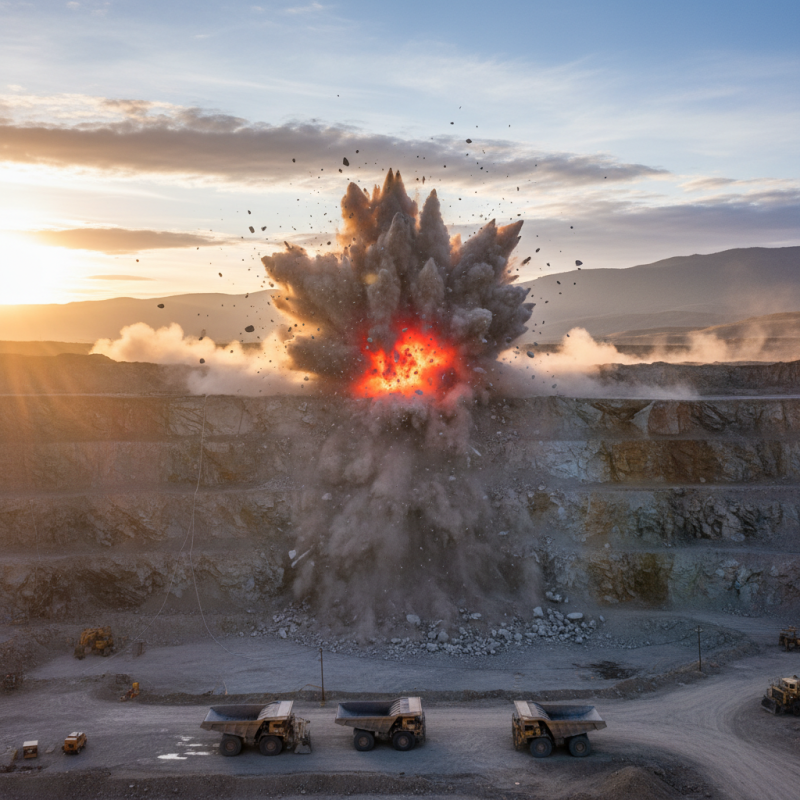
Factors Influencing Rock Properties in Blasting Performance
Blasting performance is heavily influenced by rock properties. Understanding these factors is essential for optimizing efficiency. Rock type plays a critical role.
Different materials respond uniquely to explosives. For example, hard rocks tend to require more explosive energy. This can lead to increased costs and time delays.
Another vital factor is rock structure. Fractures and joint patterns affect how blasts propagate. These features can create unpredictable results during blasting. Operators often face challenges when dealing with complex geological formations. Inaccurate assessments can lead to wasted resources.
Furthermore, moisture content in rock can change blasting effectiveness. Wet rocks may absorb energy, reducing the impact of explosives. This can result in less effective fragmentation. It's important to regularly evaluate rock conditions before planning a blast. A deeper understanding of these variables will yield better blasting outcomes.
Types of Explosives and Their Impact on Blasting Efficiency
Blasting performance and efficiency hinge significantly on the type of explosives used. Various explosives deliver distinct energy outputs and detonation speeds, impacting the overall effectiveness of blasting operations. For instance, research from the International Society of Explosives Engineering indicates that ammonium nitrate-fuel oil (ANFO) remains popular due to its cost-effectiveness and reliability. ANFO is known for providing a high detonation velocity, which can enhance fragmentation in rock blasting.
However, the choice of explosive is not solely dictated by cost or speed. Factors such as the geology of the blasting site and specific project requirements play crucial roles. For example, hydraulic fracturing materials respond differently in hard versus soft rock, leading to varied results in blast performance. Understanding how to match the explosive to the site conditions is vital for optimizing efficiency.
Tips: Always conduct thorough geological surveys before selection. This can guide you toward the right explosive choice. Experimenting with different explosives in controlled trials can also yield insights into their performance. Consider gathering feedback from your team on past blasting operations to identify areas needing improvement.
What Factors Affect Blasting Performance and Efficiency? - Types of Explosives and Their Impact on Blasting Efficiency
| Type of Explosive |
Detonation Velocity (m/s) |
Density (g/cm3) |
Sensitivity |
Water Resistance |
Common Applications |
| ANFO |
3,500 |
0.8 |
Low |
Moderate |
Mining, Quarrying |
| Emulsions |
4,200 |
1.0 |
Moderate |
High |
Construction, Mining |
| ANFO (or Water Resistant Versions) |
3,800 |
0.9 |
Moderate |
Very High |
Damp Environments |
| Dynamite |
7,000 |
1.5 |
High |
Low |
General Construction |
| Water Gels |
5,500 |
1.2 |
High |
Very High |
Mining, Civil Engineering |
Environmental Considerations Affecting Blasting Outcomes
When considering blasting performance, environmental factors play a crucial role. Weather conditions, such as wind and humidity, can significantly impact the dispersion of blast noise and dust. For example, high humidity can increase the likelihood of water accumulation, affecting the fragmentation of materials. Similarly, wind direction can carry dust and vibrations, potentially disrupting nearby communities.
Tips: Monitor local weather forecasts closely. Adjust blasting schedules based on conditions.
Soil type and geological features also influence outcomes. For instance, loose soil may absorb shock waves differently than dense rock. This variability could impact both efficiency and safety. Inadequate assessments may lead to unintended consequences, such as excessive noise or ground vibrations that can harm wildlife or residential structures.
Tips: Conduct thorough geological surveys. Consider how local ecosystems may be affected.
Community awareness is essential. Effective communication can prevent misunderstandings about blasting activities. Engaging local stakeholders curtails anxiety and builds a collaborative approach. Ignoring community feedback can result in mistrust, even if the blasting is performed safely and according to regulations.
Tips: Host community meetings before blasting projects. Address concerns and provide updates regularly.
Blast Design Techniques and Their Role in Performance Optimization
Blast design techniques play a crucial role in optimizing blasting performance. By thoughtfully selecting parameters, engineers can influence fragmentation, vibration, and overall efficiency. Key factors include hole spacing, charge distribution, and timing sequences. A well-structured design maximizes output while minimizing environmental impact.
However, challenges remain. Inadequate site surveys may lead to poor design, resulting in unwanted rock movement. It’s essential to analyze geological conditions thoroughly. Sometimes, standard designs do not fit unique terrains. Adjusting techniques based on specific conditions can be complex yet rewarding.
Monitoring blast results is critical. Data gathered from each blast informs future designs, allowing for ongoing adjustments. If initial designs show inefficiencies, revisions must occur. Engaging with experienced professionals can yield insights into best practices and innovative strategies. Designing for optimal performance is a continuous cycle of testing and refining.
Equipment and Technology Advancements in Blasting Operations
Advancements in equipment and technology play a crucial role in enhancing blasting operations. Innovative systems like electronic detonators and real-time monitoring tools have significantly improved performance. According to a report by the National Institute for Occupational Safety and Health, integrating advanced technology can reduce vibration levels by up to 50%, resulting in safer and more efficient operations.
Another significant evolution is in blast design software. These tools help optimize blast patterns and predict outcomes. Such software can lead to a 20-30% increase in material fragmentation, which is essential for improving overall efficiency. Utilizing data analytics in the field can also streamline operations, enabling operators to make informed decisions rapidly.
Tips: Invest in training your team on new technologies. Keeping staff updated ensures they can maximize the use of advanced systems. Regularly analyze your blasting data to identify patterns and areas for improvement. Small adjustments in techniques can lead to substantial gains in performance. Remember, continuous learning is essential to maintain efficiency and safety in blasting practices.
FAQS
: The choice of explosives depends on cost, detonation speed, geology, and specific project requirements.
High humidity can lead to water accumulation, impacting material fragmentation during blasting.
Effective communication with the community builds trust and reduces anxiety about blasting activities.
Thorough geological surveys help in selecting the right explosives and designing effective blast patterns.
Weather can affect noise dispersion, dust levels, and overall site safety during blasting operations.
Inadequate surveys and applying standard designs to unique terrains often lead to poor blasting outcomes.
Monitoring and analyzing data from previous blasts allow for continuous improvements in blasting techniques.
Thoughtful selection of parameters like hole spacing and charge distribution influences overall blasting efficiency.
Unique geological conditions may require customized adjustments to standard blast designs for effective results.
Revising designs based on inefficiencies observed in previous blasts requires ongoing testing and refinement.
Conclusion
The article titled "What Factors Affect Blasting Performance and Efficiency?" explores various elements that significantly influence the effectiveness of blasting operations. It discusses how rock properties such as density, structure, and fracture pattern impact the overall blasting performance. Additionally, the type of explosives used plays a crucial role in determining the energy release and fragmentation efficiency, directly affecting blasting outcomes.
Furthermore, the article highlights the importance of environmental considerations, such as noise and vibration management, that can limit or enhance blasting efficiency. It also delves into blast design techniques, emphasizing the necessity for strategic planning to optimize performance. Lastly, advancements in equipment and technology are identified as key drivers for improving blasting operations, enabling better control and increased safety. Overall, understanding these factors is essential for maximizing blasting performance and efficiency in various applications.
 Blatrixo Machine
