Blatrixo Machine
Maintaining blasting equipment is crucial for ensuring longevity and optimal performance. According to John Smith, an industry expert with over 20 years of experience, “Proper maintenance can significantly enhance the lifespan of your blasting equipment.” His insights highlight the importance of regular upkeep in maximizing efficiency.
To understand how to maintain blasting equipment for long term performance, it’s essential to follow best practices. Addressing routine checks and replacements can prevent costly breakdowns. Notably, small details like cleaning air filters and inspecting hoses are often overlooked. These tasks ensure the equipment operates smoothly and effectively.
Despite knowing these maintenance techniques, many professionals still neglect them. It’s easy to push maintenance tasks aside in a busy work environment. However, taking time to focus on these practices can lead to better results. Ultimately, acknowledging the need for consistent maintenance is a sign of professionalism in the blasting industry.
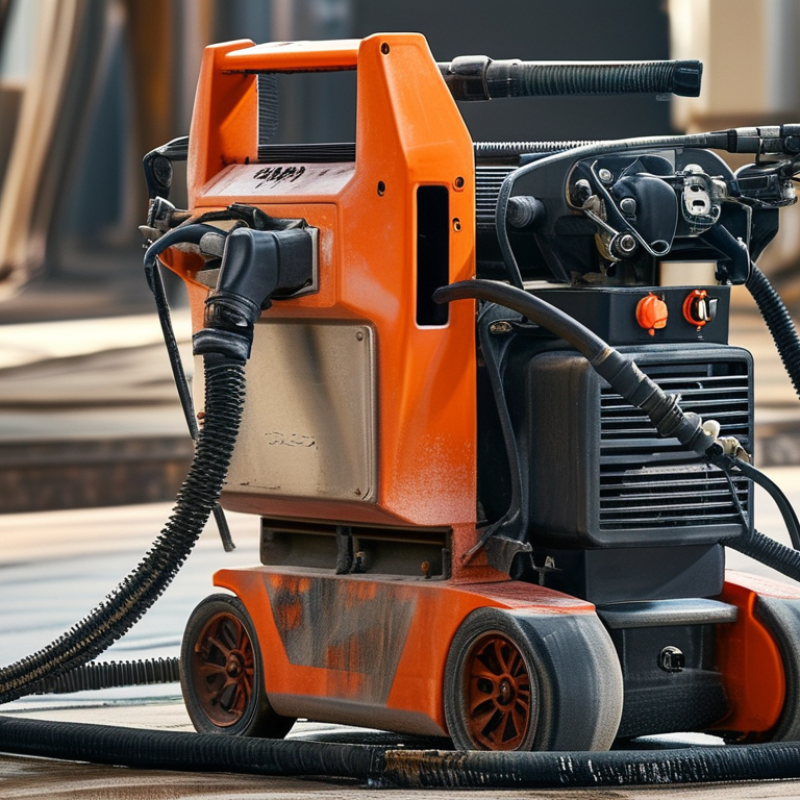
Regular inspection of blasting equipment is crucial for ensuring durability and optimal performance. Inspect hoses for signs of wear, such as cracks or fraying. A small crack can lead to significant failures. Check fittings and couplings for tightness. Loose connections can result in air leaks, impacting the efficiency of the blasting operation. A visual inspection can save time and resources in the long run.
The condition of the blasting nozzle is vital. Replace nozzles that show excessive wear, as they can reduce performance. Inspect the air compressor regularly. Listen for unusual noises. If you notice changes, consult a professional. Don't overlook the importance of cleaning your equipment thoroughly after each use. Residue buildup can lead to increased maintenance needs.
Stay vigilant about your equipment. Create a checklist to ensure you do not miss key inspection points. Document findings during inspections. This records any recurring issues and helps track the overall health of your equipment. Reflect on past mistakes and continuously improve your inspection process. Adapting your approach will lead to enhanced equipment longevity.
Regular maintenance schedules are vital for the longevity of blasting equipment. These schedules help identify potential issues early. Neglect can lead to costly repairs and unplanned downtime. A well-timed check can save time and money.
Setting up a maintenance calendar is beneficial. Equipment should be inspected regularly. Attention should be given to worn parts, as these are prone to failure. Documentation of maintenance activities creates an audit trail. This can ensure accountability and efficiency.
Periodic maintenance can involve cleaning, lubrication, and part replacements. Visual inspections are essential for detecting wear and tear. Operators should be trained to recognize early signs of malfunction. Relying solely on manufacturers' guidelines may not address all operational conditions. Regular maintenance could appear tedious but is crucial for system reliability. A commitment to these schedules pays off in reduced operational risks.
In the blasting industry, understanding wear parts is crucial for equipment longevity. Common components like nozzles, hoses, and valves experience significant wear. For example, a nozzle can wear out in as little as 25 hours of use, depending on the abrasive materials used. Regular inspections are essential to avoid unexpected failures and downtime.
Hoses typically need replacement every 500-1,000 hours of operation. Signs of wear include cracking and reduced flexibility. Valves should also be monitored closely, as they can deteriorate due to pressure fluctuations. It’s estimated that replacement can save up to 30% on maintenance costs. Tracking these metrics can keep equipment running efficiently.
Adopting a proactive maintenance strategy is paramount. However, many operators neglect routine checks. Data suggests that 40% of equipment failures are due to improper maintenance practices. Tools like maintenance logs can help track wear and replacement cycles. Remember, ignoring wear parts impacts overall performance and safety. Staying informed can lead to better operational decisions.
| Common Wear Parts | Replacement Frequency (Hours) | Maintenance Tip |
|---|---|---|
| Nozzle | 100 - 250 | Inspect for wear and replace if the diameter increases by more than 10%. |
| Hoses | 200 - 500 | Check for cracks and leaks; replace if any damage is found. |
| Gaskets | 500 | Inspect regularly and replace to prevent air leaks. |
| Filters | 100 - 200 | Clean or replace to ensure optimal air flow and reduce contamination. |
| Pump Diaphragm | 250 - 500 | Monitor for signs of fatigue and replace if performance decreases. |
| Pressure Gauge | 1000 | Calibrate regularly to ensure accurate pressure readings. |
| Air Compressor | 500 - 1000 | Perform regular oil changes and check for wear and tear. |
| Blast Pot | 1000 | Inspect for corrosion and clean regularly to ensure proper functioning. |
| Choke Valve | 200 - 300 | Lubricate regularly for smooth operation and check for blockages. |
| Control Valves | 300 - 600 | Test for leaks and ensure they open and close smoothly. |
Proper cleaning and storage of blasting equipment is pivotal for ensuring its longevity. According to industry reports, regular maintenance can extend the lifespan of blasting tools by 30%. Using a gentle cleaning agent and a soft cloth can effectively eliminate abrasive residue without damaging components. It's vital to rinse equipment thoroughly to prevent buildup. Leaving any media inside can lead to corrosion and malfunction.
Storing equipment in a dry, clean space is just as important. Humidity can accelerate wear and tear, affecting performance. Utilize protective covers that shield against dust and moisture. Regularly inspect storage areas, looking for signs of dampness. Industry studies suggest that over 40% of equipment failures are attributed to poor storage practices.
Reflecting on cleaning habits is essential. A quick wipe may not suffice; comprehensive inspections should be routine. It’s easy to overlook minor issues that can escalate into significant problems. A proactive approach to maintenance reduces unexpected downtime and costly repairs. Investing time in these practices yields substantial returns in equipment reliability and efficiency.
Implementing safety protocols is crucial for enhancing the lifespan and performance of blasting equipment. According to industry studies, nearly 30% of equipment failures occur due to inadequate safety measures. Regular inspections are vital. Scheduling checks can identify early signs of wear and tear. Utilize checklists that highlight specific components for monitoring.
Training operators in best practices also plays a significant role. A report from the National Safety Council found that over 40% of accidents are attributable to operator error. Incorporating safety training improves awareness and compliance. Empower operators to understand their equipment and recognize unusual signs of damage.
In addition to safety, consider the importance of maintenance. Clean and lubricate components regularly. Neglecting this can lead to costly breakdowns. Data shows that routine maintenance can extend the lifespan of equipment by up to 50%. Adopting these protocols not only enhances safety but also promotes a culture of reliability in equipment management.
: Routine inspection ensures durability and optimal performance of blasting equipment.
Inspect hoses for cracks or fraying that can lead to failures.
Loose fittings can cause air leaks, which impact efficiency.
Nozzles should be replaced if they show excessive wear.
Regular cleaning and thorough inspections can help extend equipment lifespan.
Create a checklist to document inspection findings systematically.
Neglect can result in costly repairs and unplanned downtime.
Training helps operators recognize early signs of malfunction and reduces accidents.
Unusual noises, residue buildup, and worn parts signal a need for maintenance.
Safety protocols improve compliance and enhance the overall management of equipment.
To effectively ensure longevity in blasting equipment, it is crucial to understand how to maintain blasting equipment for long term performance. This involves implementing essential inspection procedures that focus on identifying potential wear and tear. Regular maintenance schedules play a vital role in keeping equipment running smoothly, while awareness of common wear parts and their replacement frequency can prevent unexpected downtime.
Additionally, best practices for cleaning and storing blasting equipment optimize performance, protecting it from environmental factors. Finally, establishing safety protocols not only enhances equipment lifespan but also ensures safe operational standards. By adhering to these guidelines, users can significantly enhance the durability and efficiency of blasting tools over time.
