Blatrixo Machine Blatrixo Machine

Why is Maintenance Essential for Abrasive Equipment?

Time:2026-06-27 Author:Mason
0%

Abrasive equipment plays a crucial role in various industries. However, maintaining this equipment is often overlooked. Dr. Emily Lawson, an expert in industrial maintenance, emphasizes, “Regular maintenance extends the lifespan of abrasive tools and ensures efficiency.” Understanding "why is maintenance important for abrasive equipment" is vital for ensuring optimal performance and productivity.

When equipment is neglected, the consequences can be dire. Dull abrasives lead to poor cutting quality and increased downtime. Regular checks and balances can prevent such issues. Furthermore, equipment failures can result in costly interruptions and potential safety hazards. The importance of a proactive maintenance strategy cannot be overstated.

A seamless operation relies on reliable machinery. For instance, a well-maintained grinding wheel will perform consistently, reducing material wastage. Yet, many companies still underestimate maintenance schedules. This oversight often results in a reactive approach when problems arise, highlighting the need for awareness. Ultimately, recognizing the significance of equipment upkeep is a step toward better productivity and safety.
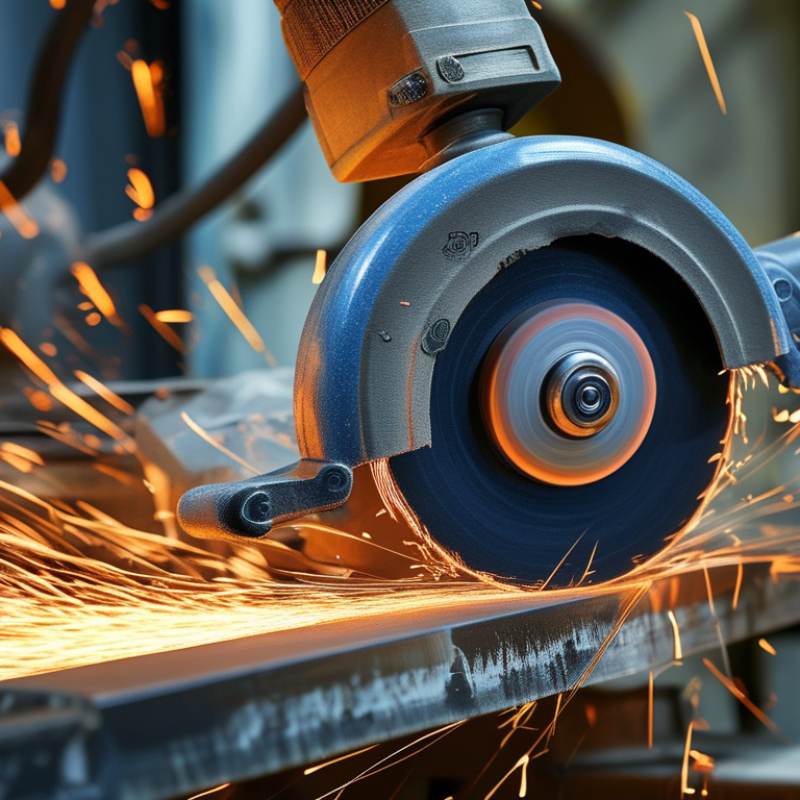
Why is Maintenance Essential for Abrasive Equipment?

Importance of Regular Maintenance for Abrasive Equipment

Regular maintenance of abrasive equipment is crucial for optimal performance. According to a report by the Industrial Maintenance Standards Institute, nearly 30% of equipment failures stem from inadequate maintenance. This statistic highlights the pressing need for systematic check-ups and repairs. Proper upkeep not only extends the lifespan of such machinery but also ensures consistent quality in production.


In the abrasive sector, minor lapses in maintenance can lead to significant production setbacks. For instance, worn-out wheels or defective hoppers can cause variations in material finish. This impacts both the quality assurance process and project deadlines. A study from the American Society for Quality found that maintaining equipment can boost efficiency by up to 15%. By prioritizing regular inspections, businesses can prevent costly interruptions and enhance their product reliability.


A thorough maintenance routine requires skilled personnel and an understanding of the equipment. Overlooking small issues can snowball into major problems. An operator might ignore slight vibrations or strange noises. These signs often indicate deeper mechanical flaws. Training staff to recognize these symptoms is a fundamental part of an effective maintenance plan, ensuring that every piece of equipment operates at its best.

Common Issues Caused by Neglecting Maintenance

Neglecting maintenance on abrasive equipment can lead to significant operational challenges. A report from the National Association of Manufacturers indicates that poor maintenance can cause up to 30% of production downtime. This industry issue is troubling. Regular inspection and upkeep can prevent these costly interruptions.

Common issues arise when maintenance is overlooked. Worn-down belts and uneven surfaces can result in inefficiencies. These problems can also lead to product damage. In one case, a study highlighted how equipment failure led to a 15% reduction in output due to faulty grinding processes. Additionally, employee safety becomes a concern. Compromised equipment can increase the risk of accidents on the job site.

Ignoring the need for maintenance can create a cycle of persistent issues. Operators may not notice gradual degradation. This often leads to expensive repairs or unplanned replacements. Furthermore, delayed maintenance can void warranties, leaving companies vulnerable. A proactive approach is crucial, but it often gets sidelined. Balancing immediate production needs and future equipment reliability is a challenge that many face. Implementing a routine maintenance schedule is essential to mitigate these risks.

Maintenance Issues in Abrasive Equipment

Key Maintenance Practices for Abrasive Equipment

Regular maintenance is critical for abrasive equipment to ensure optimal performance. Neglecting this aspect can lead to costly breakdowns. According to the National Institute for Occupational Safety and Health, equipment failure can increase operational costs by up to 30%. This highlights the financial implications of poor maintenance practices.

Key maintenance practices include routine inspections and timely replacements. Regular check-ups can identify wear and tear before it escalates. For instance, monitoring abrasive surfaces can prevent dangerous accidents. Implementing a structured maintenance schedule can extend equipment life significantly. A study by the American Society of Mechanical Engineers found that proactive maintenance can reduce downtime by 50%.

Cleaning is another essential practice. Abrasive dust can accumulate, affecting machinery performance. Frequent cleanings not only enhance equipment longevity but also promote a safer work environment. Understanding the specific needs of your equipment is vital. Training employees on maintenance protocols is equally important. This knowledge can empower staff to take ownership, leading to better outcomes.

Benefits of Proactive Maintenance Strategies

Proactive maintenance strategies for abrasive equipment provide several key advantages. Regular maintenance prevents unexpected breakdowns. Scheduled checks allow for early identification of potential issues. This can save costs related to emergency repairs.

Additionally, proper upkeep extends equipment lifespan. Abrasive tools, when well-maintained, perform optimally. Optimal performance leads to better product quality. Workers can focus on production rather than troubleshooting failing machines.

Training staff on maintenance practices is vital. They must recognize when equipment needs attention. Investing in training fosters a culture of care and accountability. Yet, companies sometimes overlook this aspect. Neglecting training can lead to repeated mistakes. Opportunities for learning should be embraced. A proactive approach can significantly enhance productivity over time.

Impact of Maintenance on Equipment Longevity and Performance

Abrasive equipment demands rigorous maintenance to ensure optimal performance and longevity. According to industry research, roughly 30% of equipment failures arise from inadequate maintenance practices. Over time, wear and tear on components can drastically reduce efficiency. Regular checks on parts like belts and bearings can mitigate this. For instance, a well-maintained abrasive cutter can perform 25% more efficiently than a neglected one.

Data from the Machinery Maintenance Institute indicates that predictive maintenance strategies can extend equipment life by up to 50%. This approach focuses on monitoring equipment conditions in real-time, allowing teams to address issues before they escalate. The cost of downtime due to unexpected breakdowns can exceed thousands of dollars per hour. This reality emphasizes the necessity of a disciplined maintenance schedule.

Yet, many organizations overlook the nuances of maintenance planning. They may neglect smaller issues, hoping they will resolve independently. However, little problems often lead to bigger failures. Fostering a culture that prioritizes equipment maintenance can enhance both performance and safety. Emphasizing consistent and structured maintenance encourages a more resilient operational environment. It is a worthwhile investment for any abrasive equipment user.

FAQS

: Why is regular maintenance important for abrasive equipment?

: Regular maintenance prevents costly breakdowns and operational inefficiencies.

What can happen if maintenance is neglected?

Neglecting maintenance may increase operational costs by up to 30%.

How can routine inspections help?

Routine inspections identify wear and tear before they escalate into major issues.

What role does cleaning play in equipment maintenance?

Cleaning prevents dust accumulation, which can affect machinery performance and safety.

How can training employees improve maintenance practices?

Training empowers employees to recognize equipment needs, enhancing accountability and care.

What are the risks of not investing in staff training?

Neglecting training can result in repeated mistakes and ineffective maintenance.

How does proactive maintenance affect equipment lifespan?

Proactive maintenance significantly extends equipment lifespan and improves performance.

What is the impact of well-maintained abrasive tools on production?

Well-maintained tools ensure optimal performance, allowing workers to focus on production tasks.

Can structured maintenance schedules reduce downtime?

Yes, structured schedules can reduce equipment downtime by up to 50%.

What should companies embrace for better outcomes?

Companies should embrace training and learning opportunities to avoid repeated mistakes.

Conclusion

Regular maintenance is crucial for abrasive equipment, significantly affecting its performance and longevity. Neglecting maintenance can lead to common issues such as reduced efficiency, increased wear and tear, and potential equipment failure, which ultimately disrupt operations. Proactively implementing maintenance practices, such as routine inspections and timely repairs, helps to identify and resolve issues before they escalate, ensuring that the equipment operates smoothly and effectively.

Understanding why maintenance is important for abrasive equipment goes beyond just preventing malfunctions; it also enhances productivity and reduces overall operational costs. By investing in a proactive maintenance strategy, organizations can extend the lifespan of their equipment, improve safety standards, and maintain optimal performance, thereby achieving a more reliable and efficient production process.

Mason

Mason

Mason is a seasoned marketing professional with a deep expertise in the company's offerings and a passion for driving brand awareness. With a strong background in digital marketing strategies, he has an innate ability to connect with diverse audiences and effectively communicate product benefits.......