Blatrixo Machine
In the evolving landscape of surface treatment processes in China, several factors contribute to their effectiveness. One notable expert in this field, Dr. Li Wei, emphasizes the importance of precision in these applications. He states, “What makes surface treatment processes effective is the combination of technology and skilled labor.” This highlights the intricate balance required for successful implementation.
Technology plays a crucial role in achieving desired outcomes. However, the human element cannot be overlooked. Skilled workers are necessary to operate advanced machinery and adjust parameters based on real-time feedback. There is often a gap in this skill set in certain regions, which can hinder overall process efficiency.
Moreover, the quest for innovation can inadvertently lead to oversight. Companies may focus too much on new technologies and neglect training for their personnel. This results in a significant challenge. Understanding what makes surface treatment processes effective requires a holistic view that integrates both technology and human expertise. Addressing these areas will be essential for future advancements.
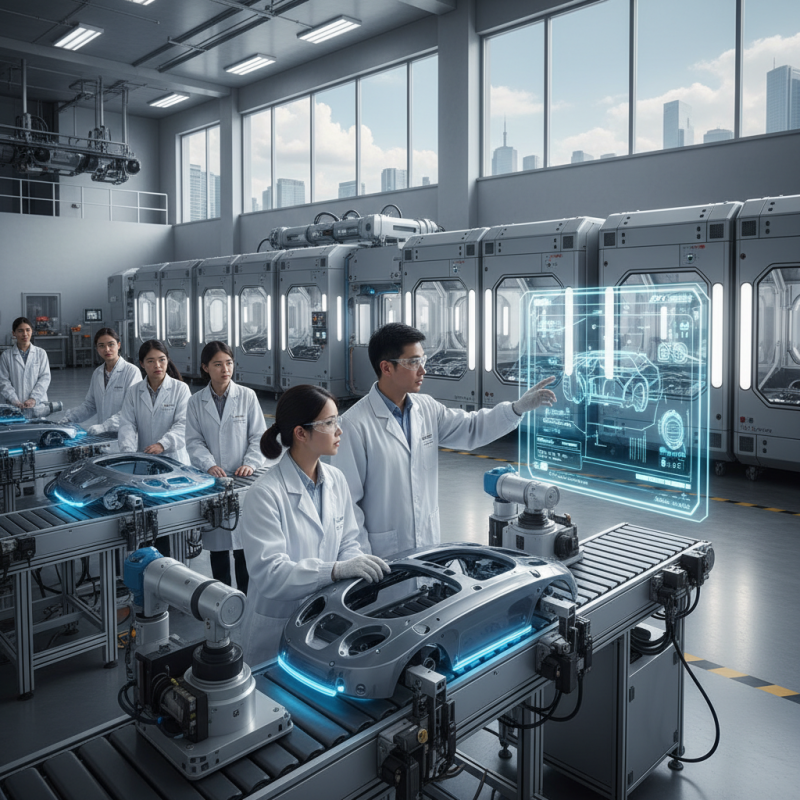
Surface treatment processes in China hinge on several critical factors. The effectiveness of these processes is shaped by the type of materials involved. Studies indicate that nearly 70% of surface treatment failures stem from inadequate material selection. Ensuring proper compatibility between materials and treatment methods can enhance durability and performance significantly.
Another vital factor is the technological advancements in automation. Reports suggest that factories integrating automated systems see up to a 30% increase in process efficiency. Automation reduces human error and enhances consistency in treatment outcomes. Yet, many facilities still employ older manual methods, leading to variability in quality. This reliance on outdated practices can hinder overall effectiveness.
Furthermore, staff training remains a crucial element. A survey conducted among industry workers revealed that only 50% received formal training in surface treatment technologies. Ongoing education can markedly improve skill levels, but gaps exist in many organizations. Companies should prioritize investing in workforce development to maximize process effectiveness. Recognizing these areas can lead to better decision-making in surface treatment operations.
Surface treatment methods in China are diverse and tailored to various industries. From automotive to electronics, these processes enhance durability and aesthetics. Common methods include electroplating, anodizing, and powder coating. According to recent industry reports, the electroplating market alone is expected to reach USD 12.4 billion by 2025. Despite its popularity, challenges exist.
Electroplating provides a protective layer but may pose environmental concerns. The discharge from the process can be harmful. Strict regulations are now in place, but compliance is often inconsistent across facilities. This inconsistency highlights the need for improved practices. Anodizing, favored for aluminum, increases resistance but can have variable thickness and quality issues. Quality control remains a priority for manufacturers.
Powder coating offers an eco-friendly alternative with a growing market share, projected to expand at over 6% annually. However, achieving uniform coating thickness is a common concern. The industry must continually adapt to technological advancements and regulatory pressures. The shift towards sustainable practices demands innovation and thorough research, especially in a rapidly growing economy like China.
Effective surface treatment processes in China are deeply influenced by economic factors. The country has witnessed a rapid industrial growth, leading to increased demand for quality surface treatments in manufacturing. According to a report from the China Surface Treatment Industry Association, the market size of surface treatment in China reached approximately $6 billion in 2022. As industries strive for efficiency, cost-effective surface treatment solutions become crucial.
In a competitive market, reducing operational costs while meeting quality standards is key. Many manufacturers are investing in advanced technologies to enhance treatment efficiency. However, the initial investment can be substantial. Some companies hesitate to adopt these technologies, fearing they won't recoup the costs. Conversely, proper training and skilled workforce are vital for maximizing the benefits of these advanced systems.
Tip: Focus on training and skill development. A well-trained workforce can significantly increase the effectiveness of surface treatment processes, resulting in higher quality outputs and cost savings. Continually evaluate economic factors affecting your operations. This proactive approach allows businesses to adapt to market trends and technological advancements effectively.
In China, surface treatment processes are influenced heavily by regulatory standards and compliance requirements. These regulations ensure that surface treatments are safe and environmentally friendly. The government enforces strict guidelines on chemical usage and waste disposal. Many facilities struggle to fully comply due to the complexity of these regulations. This often leads to lapses in safety and environmental standards.
Manufacturers must regularly update their processes to meet evolving regulations. However, some may overlook the importance of training staff on these standards. This gap can result in improper implementations, which may expose workers to hazardous materials. Compliance is not just about following rules; it's about fostering a culture of safety and responsibility.
Additionally, the rapid growth of the industry sometimes makes keeping pace with regulations challenging. Innovations in surface treatment technology can conflict with existing rules, causing confusion. Stakeholders should continuously engage in dialogue with regulatory bodies. A proactive approach can enhance compliance and create more effective surface treatment processes.
The field of surface treatment in China is witnessing significant
technological innovations. These advancements are not just improving
efficiency but are reshaping industry standards. For example, recent
studies reveal that automation in surface treatment processes can increase
productivity by up to 30%.
This allows manufacturers to meet rising demand while reducing turnaround times.
State-of-the-art methods, such as plasma treatment and
laser cleaning, offer better adhesion for coatings.
According to industry reports, these technologies can enhance durability by
40%. However, there are challenges.
The initial investment for such advanced processes can be substantial.
Many companies must balance cost and benefits effectively. Therefore, while
innovation is crucial, companies must also reflect on the return on investment.
The integration of IoT in surface treatments
promises real-time monitoring. This technology enhances precision and reduces waste. A report indicated
that companies using IoT have seen a decrease in material usage by
20%. Nonetheless, transitioning to these smart
technologies requires skilled personnel and effective training, which can pose hurdles for some manufacturers.
: The effectiveness largely depends on material selection, technology, and staff training quality.
Inadequate material selection causes nearly 70% of treatment failures. Proper compatibility significantly boosts durability.
Automated systems can increase process efficiency by up to 30%. Yet, many use outdated manual methods.
Only 50% of workers receive formal training. Gaps in training can hinder process effectiveness.
Compliance with regulations ensures safety and environmental friendliness but can be complex for many facilities.
Many struggle to comply due to evolving regulations and improper staff training on these standards.
Innovations like plasma treatment and IoT are enhancing efficiency and precision in the industry.
Initial costs are high, and companies must consider the return on investment for advanced processes.
IoT allows for real-time monitoring, which can reduce material waste by up to 20%.
Skilled personnel and effective training are needed, which can pose hurdles for some manufacturers.
The effectiveness of surface treatment processes in China is influenced by several key factors. One major aspect is the variety of methods employed, such as electroplating, anodizing, and coatings, each serving different industrial applications. Economic considerations also play a crucial role, as the demand for cost-effective and high-quality treatments can dictate the choice of processes. Furthermore, adherence to regulatory standards ensures that the treatments meet safety and environmental requirements, which is critical for compliance.
Technological innovations are driving efficiency in these processes, enhancing speed and precision while reducing waste. Overall, understanding what makes surface treatment processes effective involves a comprehensive analysis of these elements, as they intersect to improve quality, sustainability, and economic viability in the Chinese market.
