Blatrixo Machine
Dust management is a critical component of blasting operations. Proper dust control minimizes health risks and improves safety for workers. According to a report by the U.S. Mine Safety and Health Administration, nearly 2,000 cases of work-related illnesses in the mining industry are linked to dust exposure each year. Ignoring dust management can lead to respiratory issues and reduced visibility during operations. An industry expert, Dr. John Collins, states, "Effective dust control is essential not just for compliance but for safeguarding the health of all personnel."
Blasting creates significant dust. This dust can travel far, impacting nearby communities and ecosystems. Failure to manage it can lead to serious consequences, both legally and environmentally. Companies face fines, and more importantly, health risks for their employees increase dramatically. A comprehensive dust management strategy can help mitigate these risks.
Yet, many operations still struggle with implementation. Often, they underestimate the importance of consistent monitoring and control measures. This lack of focus may result in dust-related occurrences that could have been preventable. The challenges in dust management highlight the need for continuous improvement in practices. Addressing these issues is crucial for maintaining a safe work environment. Understanding why dust management is critical in blasting operations is a step toward ensuring better health outcomes for all.
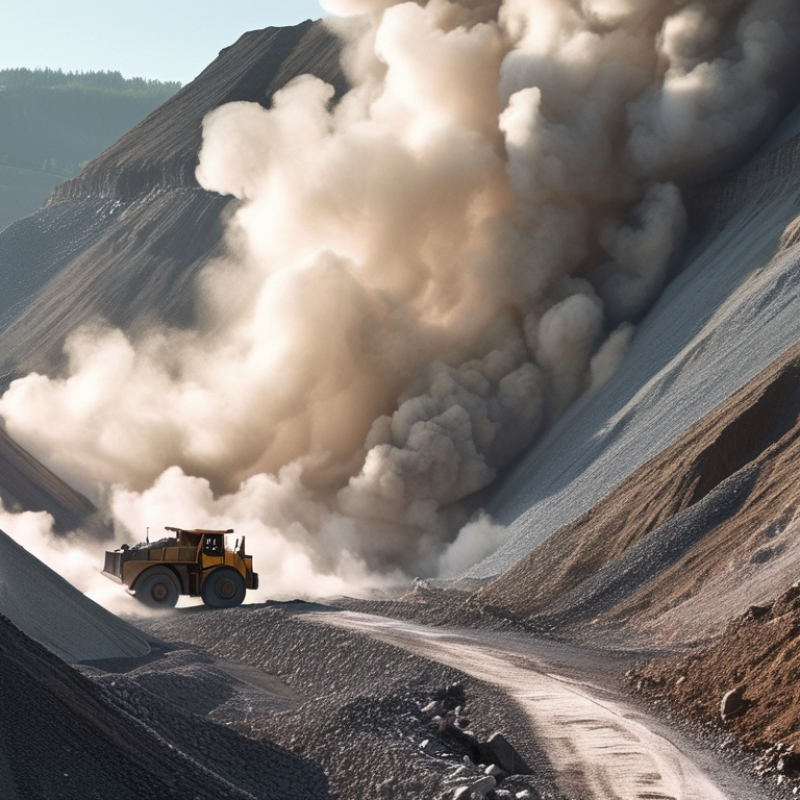
Dust management is crucial in blasting operations to safeguard both worker health and the surrounding environment. The process of blasting generates significant amounts of dust, which can be harmful if inhaled. Proper dust control measures, such as water sprays or dust suppressants, can effectively minimize airborne particulate matter. When implemented correctly, these measures protect workers from respiratory diseases linked to dust exposure.
Moreover, effective dust management also enhances operational efficiency. High dust levels can obstruct visibility and impair equipment performance. As a result, unplanned shutdowns may occur, leading to increased costs. It's important to recognize that neglecting dust control can result in compromised site productivity and potential regulatory issues. On some sites, operators might find it challenging to maintain consistent dust control, particularly in adverse weather conditions. Continuous monitoring and adjustments are necessary to address these variabilities.
Fostering a culture of dust management awareness is vital. Training employees on the risks associated with dust exposure can lead to a safer workplace. Engaging workers in feedback about dust control practices can provide insights into areas needing improvement. Reflecting on past challenges can help refine current strategies, ultimately leading to more effective dust management in blasting operations.
Blasting operations are essential in many industries, but they create significant dust pollution. This dust can travel for miles. It poses health risks to workers and nearby communities. Fine dust particles can enter the lungs, causing respiratory issues over time. Vulnerable populations, such as children and the elderly, are most at risk.
The environmental impact of blasting dust goes beyond health concerns. Dust can settle on soil and water bodies, affecting local ecosystems. It can hinder plant growth and contaminate water sources. The accumulation of dust on surfaces can also lead to increased maintenance costs for buildings and equipment. Despite these issues, many operations overlook the necessity of effective dust management.
Implementing better dust control measures is essential. However, it requires investment and careful planning. Simple solutions like water sprays or dust suppressants can help, but they are often underutilized. Organizations must acknowledge the long-term benefits of dust management. Awareness and proactive strategies could lead to healthier work environments and sustainable practices. It is crucial to keep reflecting on current practices, as ignoring dust management risks further environmental degradation.
Dust exposure in blasting operations poses serious health risks. Workers are often in close proximity to hazardous dust generated during these activities. This dust can contain harmful materials, including silica and heavy metals. Prolonged inhalation of such particles can lead to respiratory issues, lung disease, and even chronic illnesses. It is crucial to recognize that not all workers are equally affected. Some may show symptoms sooner than others, highlighting the importance of monitoring individual health.
Proper dust management strategies are essential to mitigate these risks. Effective ventilation systems and dust suppression techniques can significantly reduce airborne particles. Personal protective equipment, such as masks and respirators, must be provided to employees. However, compliance with safety protocols varies. Some workers may neglect to use protective gear, undermining efforts to ensure a safe environment. Regular training on the dangers of dust exposure should be emphasized, but it requires ongoing commitment from all levels of an organization.
While many blasting operations implement dust control measures, gaps remain. Continuous assessment of the effectiveness of these strategies is necessary. Insufficient communication about the potential health impacts can lead to complacency. Dust management is not just about compliance; it is about safeguarding workers’ health and well-being. Evaluating existing practices can reveal areas for improvement, ensuring that every worker returns home safe and healthy.
Dust management is crucial in blasting operations due to health and safety risks. Effective dust control techniques can significantly reduce airborne particulate matter. Studies show that high levels of dust exposure can lead to respiratory issues among workers. In fact, the National Institute for Occupational Safety and Health reports that long-term exposure can increase health risks by 30%.
One of the most effective techniques for dust control is the use of water sprays. This method helps to suppress dust at the source, reducing airborne particles. An analysis conducted by the Mining Safety and Health Administration found that water application can lower dust emissions by up to 75%. Additionally, the use of polymer-based dust suppressants is gaining traction. These additives can create a barrier that keeps dust from becoming airborne during blasting operations.
Another important technique is adopting best practices in blasting design. Proper timing and sequencing can minimize dust generation. Studies indicate that optimizing blast patterns can lead to a 40% reduction in dust production. However, many operations overlook this aspect, often leading to inefficient blasting and increased dust levels. It’s essential to balance operational efficiency with effective dust control methods. By prioritizing these techniques, blasting operations can better protect worker health and the surrounding environment.
| Dust Control Technique | Effectiveness (%) | Ease of Implementation | Cost ($ per project) | Environmental Impact |
|---|---|---|---|---|
| Water Spraying | 85 | Moderate | 500 | Low |
| Dust Suppression Agents | 90 | High | 1200 | Moderate |
| Ventilation Systems | 75 | Difficult | 5000 | Low |
| Barriers and Screens | 70 | Moderate | 800 | Low |
| Encapsulation of Blasting Area | 95 | High | 3000 | Moderate |
Dust management is critical in mining operations, primarily due to regulatory standards. Governments enforce strict guidelines to control dust emissions. These standards aim to protect workers and the environment. Non-compliance can result in significant fines and operational shutdowns. Therefore, companies must develop robust dust control plans.
Effective dust management strategies often include measures like water spraying and dust suppressants. However, these solutions can sometimes be ineffective during extreme weather conditions. It's important for mining operators to monitor their effectiveness regularly. Training for employees on dust control practices also remains essential. Yet, many workers may overlook these protocols, leading to increased dust exposure.
In addition to health concerns, compliance with dust regulations enhances a company’s public image. Compliance signals responsibility and commitment to sustainability. However, some organizations may struggle with the costs associated with comprehensive dust management. Balancing regulatory compliance and operational efficiency can be challenging. Regular evaluations and adjustments to dust management practices can lead to better results and improved safety overall.
: Dust management protects worker health and the environment from harmful dust generated during blasting.
High dust levels can cause respiratory issues, increasing health risks by 30% with long-term exposure.
Water sprays and polymer-based dust suppressants are effective in reducing airborne particulate matter significantly.
Water application can lower dust emissions by up to 75%, ensuring safer working conditions.
Proper timing and sequencing in blasting design can reduce dust production by up to 40%.
Yes, adverse weather conditions may complicate consistent dust control measures, requiring constant adjustments.
Engaging workers in feedback can highlight shortcomings in dust control practices, promoting continuous improvement.
Neglecting dust control can lower site productivity and could lead to regulatory issues and higher costs.
Continuous monitoring is vital due to variability in dust levels during blasting operations.
Reflecting on past issues can improve current practices, leading to more effective dust management solutions.
Dust management is critical in blasting operations due to its significant impact on both the environment and the health of workers. During blasting activities, dust particles are generated that can lead to serious respiratory issues and other health risks for workers on-site. Furthermore, the environmental implications of dust can affect air quality and surrounding ecosystems, necessitating careful monitoring and control measures.
To ensure safe and compliant blasting practices, effective techniques for dust control must be implemented. These can include the use of water sprays, dust suppressants, and proper blast design. Additionally, adherence to regulatory standards is essential for maintaining workplace safety and minimizing environmental harm. Understanding why dust management is critical in blasting operations enables companies to prioritize health, safety, and environmental stewardship in their processes.
