 Blatrixo Machine
Blatrixo Machine
Blatrixo Machine
Dust control is a vital aspect of industrial cleaning. Excessive dust can pose serious health risks to workers, as confirmed by the National Institute for Occupational Safety and Health (NIOSH). Their research indicates that over 2 million U.S. workers are exposed to dust hazards annually. This exposure can lead to respiratory issues and reduced productivity. The question often arises: what is the importance of dust control in industrial cleaning?
Expert Mark Felton, a leading authority on industrial safety, emphasizes, “Effective dust control is fundamental for maintaining a safe working environment.” His insight highlights the balance between cleanliness and safety. Adopting systematic dust control methods not only protects employees but also promotes efficiency. For instance, facilities that implement dust suppression techniques report a 30% reduction in maintenance costs.
Moreover, neglecting dust control can result in long-term consequences. Accumulated dust can interfere with machinery performance and lead to costly downtimes. Understanding dust dynamics is essential. Environments vary, and solutions should be tailored. Inadequate measures can expose workers to increased risks, raising urgent questions about industry standards and practices. Just as industries evolve, so too must our strategies for dust control in industrial cleaning.
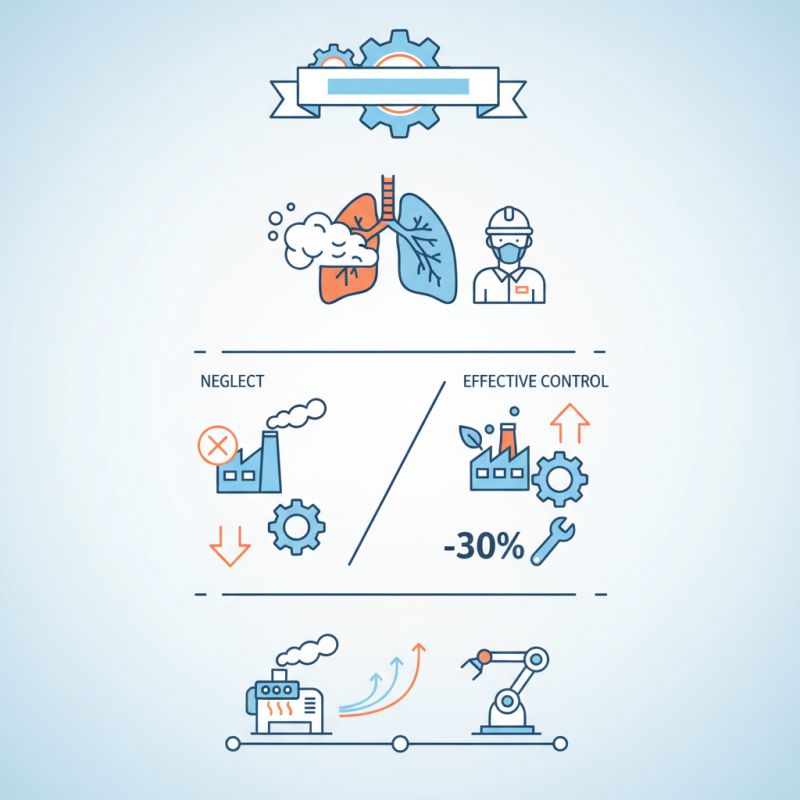
Dust control plays a vital role in industrial cleaning processes. It impacts the safety and health of workers significantly. High dust levels can lead to respiratory issues and other health concerns. Effective dust management reduces these risks. This process involves more than just routine cleaning. It requires planning and specific techniques tailored to the industrial environment.
In many cases, dust accumulates in hard-to-reach areas. Industrial settings often have complex layouts. Regular inspections can help identify these trouble spots. Vacuum systems can capture dust from various surfaces. These systems reduce airborne particles effectively. However, they require maintenance and proper usage guidelines to ensure reliability.
Some facilities still overlook the importance of dust control. This oversight can lead to accidents or reduced productivity. Organizations must recognize that clean environments are essential for employee well-being. Investing in dust control measures may seem costly, but the long-term benefits outweigh the initial expense. Implementing effective strategies may involve trial and error. Adjustments may be necessary to find suitable methods that work best in each unique situation.
: Dust can lead to respiratory issues, cardiovascular diseases, and lung cancer. Prolonged exposure is particularly harmful.
Regular assessments of dust levels and comprehensive cleaning strategies are vital. Consider using air purifiers and HEPA filters.
It enhances air quality and equipment efficiency. Neglect can cause health risks and machinery failures.
Regular vacuuming with industrial machines and wet mopping systems are effective. They capture fine particles better than dry methods.
Dust creates friction on machine parts, leading to wear and higher energy consumption. This results in frequent repairs and downtime.
Set realistic goals for dust management and continually assess effectiveness. Regular evaluations can identify areas for improvement.
Increased moisture in the air helps settle dust, reducing airborne particles. Proper humidity levels are crucial for effective dust management.
Training ensures compliance and promotes safety practices. Awareness among employees can significantly enhance cleaning efforts.
A completely dust-free space is hard to maintain. Balancing dust control with other maintenance tasks can be challenging.
Ongoing evaluation is necessary to adapt to evolving industry standards and maintain effective practices for dust management.
Dust control is vital for effective industrial cleaning due to its role in maintaining a safe and healthy workplace. What is the importance of dust control in industrial cleaning? It helps mitigate the health risks associated with dust accumulation, which can lead to respiratory issues and other serious health problems for workers. Additionally, dust is often generated from various sources such as machinery, materials, and processes, making its management essential to create a cleaner environment.
Implementing effective techniques for dust control not only supports health and safety but also enhances operational efficiency and prolongs equipment longevity. By reducing dust accumulation, industries can minimize equipment wear and optimize performance, leading to cost savings and improved productivity. Ultimately, effective dust control is a critical component of an efficient industrial cleaning strategy, safeguarding both personnel and infrastructure.
