 Blatrixo Machine
Blatrixo Machine
Blatrixo Machine
Abrasive cleaning can quickly remove rust, scale, paint, and surface contamination. However, its results depend on more than blasting pressure or abrasive selection. The central question is: what are common issues in abrasive cleaning processes? Understanding these problems helps maintenance teams protect equipment, control costs, and achieve a reliable surface condition.
In practical work, inconsistent cleaning is a frequent concern. A worn nozzle can alter the spray pattern. Uneven pressure may leave dark patches, rust stains, or firmly bonded coating. Excessive pressure can damage softer substrates, while unsuitable media may become embedded in the surface. Dust can also reduce visibility and settle on freshly cleaned steel. That hidden residue may weaken primer adhesion later.
Moisture creates another serious risk. Condensation inside compressed-air systems can contaminate the surface and accelerate flash rusting. Poor ventilation increases airborne dust, while inadequate containment spreads abrasive waste beyond the work area. Trained operators should inspect air quality, nozzle condition, abrasive cleanliness, surface profile, and environmental conditions. Manufacturer instructions and applicable safety standards should guide the process.
Small details matter.
Even experienced crews miss them.
A reliable inspection should use measured surface-profile readings, visual checks, and documented environmental records. Yet no cleaning process is flawless. Real sites change during the shift, and weather can move faster than planned. A practical review should therefore examine both visible defects and possible causes. This approach supports safer decisions, stronger coatings, and more consistent maintenance outcomes.
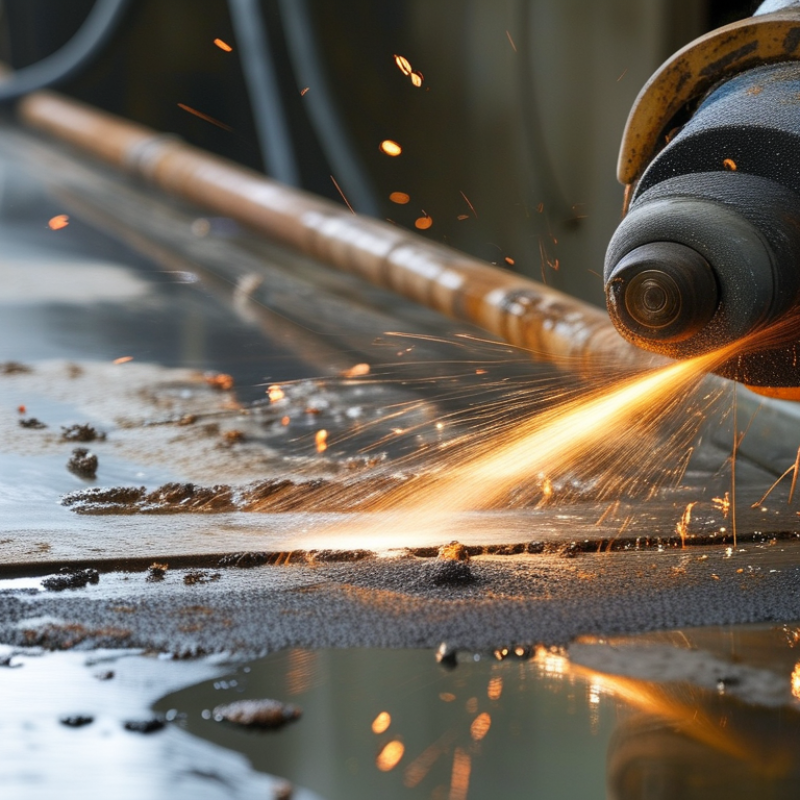
Uneven abrasive coverage is a common cause of inconsistent cleaning results. One section may look bright, while another still holds rust, paint, or oil. The difference often appears along edges, corners, and recessed surfaces.
In practical inspections, operators should check nozzle distance, travel speed, spray angle, and abrasive flow. A nozzle held too far away can lose impact before reaching the surface. Moving too quickly creates pale, untreated bands. Overlapping each pass by about one-third can improve coverage, but the exact amount depends on the surface and abrasive type. Small changes matter.
A simple test panel can reveal problems before full production begins. Mark several areas, clean them using the planned settings, and compare the surface under consistent lighting. Record air pressure, media flow, nozzle distance, and cleaning time. This creates evidence instead of relying on appearance alone.
We once blamed the abrasive for poor results. That assumption was wrong. The feed system was pulsing, causing heavy coverage at the start of each pass and weak coverage at the end. Cleaning the line helped, but it did not solve everything. The operator’s hand speed also changed during longer sessions. Fatigue matters. A written movement pattern and short checks can reduce variation, although they cannot replace skilled observation. If the surface still looks uneven, stop and inspect the process rather than simply increasing pressure.
: Coarse, angular media can cut deep grooves into thin aluminum after one pass. Soft steel may develop an uneven profile under high pressure. A familiar abrasive can still be wrong.
Match hardness, particle size, shape, and impact pressure to the substrate. Use finer particles for delicate surfaces. Test a hidden area before full cleaning.
Keep the nozzle moving and shorten exposure time. Reduce pressure before changing the abrasive. Measure the surface profile after blasting. One test cannot represent every condition.
Suspended dust can hide the nozzle, surface profile, and rebounding debris. Fine particles may remain visible under fixed lighting. Visibility fails first.
Stop blasting briefly and observe the air column under a light beam. If the beam stays cloudy, inspection conditions remain unreliable. Check filters, ducts, recovery systems, and corner areas.
Dust, noise, flying particles, hose recoil, and poor ventilation can harm workers. Use enclosed equipment, local exhaust, and suitable respiratory protection. Monitoring remains necessary.
Spent media may contain rust, oil, coating residue, or other contaminants. Characterize the waste before disposal. Wet cleaning reduces airborne dust but may create contaminated runoff.
Check surface profile, moisture, soluble salts, and trapped abrasive. Look inside valves and around seals. Flash rust can appear within hours on damp steel. A clean-looking surface is not always prepared.
Abrasive cleaning processes can encounter several challenges that affect both efficiency and surface quality. Uneven abrasive coverage may leave some areas poorly cleaned while overworking others, resulting in inconsistent results. Choosing an abrasive that is too aggressive, too fine, or otherwise unsuitable for the material can cause excessive surface damage, distortion, or an uneven finish. Dust and debris may also reduce visibility, making it difficult to monitor progress and maintain consistent coverage.
Other common problems include equipment wear, clogged hoses or nozzles, unstable pressure, and inadequate control of abrasive flow. These issues can reduce productivity and create unexpected interruptions. In addition, operators must address safety and environmental concerns, including airborne particles, noise, waste collection, and proper protective measures. Post-cleaning steps are equally important, since leftover abrasive or dust can affect coating adhesion, product performance, and workplace cleanliness. Understanding what are common issues in abrasive cleaning processes helps users improve preparation, equipment maintenance, operating controls, and final inspection results.
