Blatrixo Machine Blatrixo Machine

Why is Choosing the Right Surface Cleaning Method Important?

Time:2026-07-24 Author:Isabella
0%

Choosing the right surface cleaning method is critical for various industries, from manufacturing to healthcare. According to a recent report by the National Institute of Standards and Technology, improper cleaning can lead to a 30% reduction in equipment lifespan. Understanding how to choose the right surface cleaning method for materials can greatly enhance performance and safety.

Industry expert Dr. Emily Chen emphasizes, "The effectiveness of a cleaning method directly impacts material integrity." Her insight highlights the importance of selecting appropriate techniques and solutions based on material specifications. For instance, delicate surfaces require gentler approaches, whereas robust materials can withstand harsher treatments.

Choosing the wrong method can lead to significant costs and risks. Companies often overlook this critical aspect. By understanding the nuances of surface cleaning, organizations can avoid major pitfalls. Investing time in learning about effective cleaning methods fosters a more productive environment and extends the life of assets.
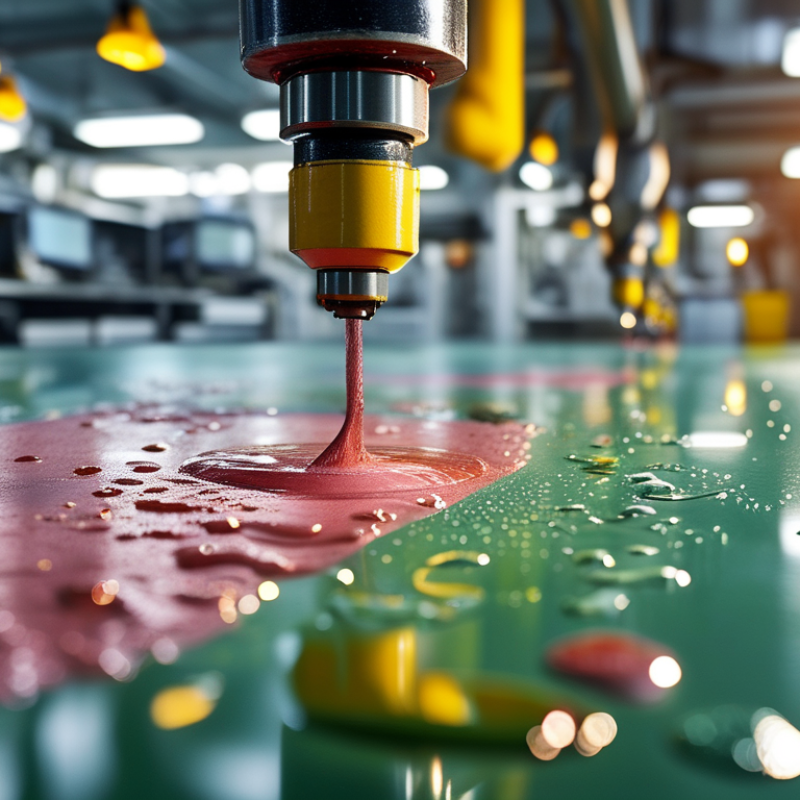
Why is Choosing the Right Surface Cleaning Method Important?

Importance of Surface Cleaning in Maintaining Hygiene Standards

Surface cleaning plays a crucial role in maintaining hygiene standards across various settings. From hospitals to restaurants, clean surfaces reduce the likelihood of contamination. Bacteria thrive on dirty surfaces, leading to potential infections or foodborne illnesses. Regular cleaning can significantly minimize these risks.

Choosing the right cleaning method is essential. For instance, some surfaces may require a disinfectant, while others might only need soap and water. Knowing the appropriate method ensures effectiveness. Improper cleaning can leave residues that are harmful or ineffective. Additionally, training staff on proper techniques can be time-consuming, but it's vital for long-term hygiene.

It's easy to overlook the impact of surface cleanliness. Busy environments may lead to shortcuts in cleaning protocols. Skipping steps can endanger health. Moreover, using the wrong products could damage surfaces or pose safety risks. Reflecting on cleaning routines is necessary. Regular reviews can improve practices and maintain high hygiene standards.

Impact of Cleaning Methods on Surface Longevity and Material Integrity

Choosing the right surface cleaning method is crucial for maintaining the longevity and integrity of materials. Different surfaces require specific approaches to avoid damage. For example, using harsh chemicals on delicate surfaces can lead to scratches and discoloration. This often results in costly repairs or replacements. Understanding material properties helps in selecting the appropriate cleaning method.

Not all cleaning methods are equal. Some can strip away protective coatings, making surfaces more susceptible to wear and tear. A gentle approach, like using microfiber cloths, can preserve the material's integrity. Hot water extraction is effective for carpets without damaging fibers.

Tips: Always test a small, inconspicuous area before full application. This precaution can reveal any adverse reactions. Educate yourself about the materials you handle to avoid common cleaning mistakes. Regular maintenance with the right methods leads to better results and longer-lasting surfaces. Inadequate care can compromise both appearance and function over time.

Effectiveness of Different Cleaning Techniques on Bacterial Removal Rates

Choosing the right surface cleaning method significantly impacts bacterial removal rates on various surfaces. Research indicates that traditional cleaning techniques may not effectively eliminate harmful bacteria. According to a study by the American Journal of Infection Control, surface cleaning with bleach solutions can lead to a 99% reduction in bacterial presence. However, effectiveness can vary based on the surface material and type of bacteria involved.

Surface type matters. For instance, porous materials like fabric may harbor bacteria despite proper cleaning. A study published in the Journal of Hospital Infection found that metal surfaces consistently showed better results in bacterial reduction compared to plastic surfaces. Understanding specific cleaning requirements for different materials is crucial for effective sanitation.

Tip: Always test cleaning methods on a small area first to avoid damage.

Another key factor is time. Contact time with disinfectants is essential. An effective cleaning strategy should allow for the recommended dwell time to ensure maximum efficacy. Dwell times can range from 1 to 10 minutes based on the product used.

Tip: Keep a timer handy when applying disinfectants.

Evaluating cleaning techniques requires ongoing reflection. Identifying the strengths and weaknesses of each method can lead to better choices in the future. Regular training for cleaning staff can enhance their understanding of effective techniques, optimizing bacterial removal rates.

Cost Implications of Using Appropriate vs. Inappropriate Cleaning Methods

Choosing the right surface cleaning method greatly impacts costs. Using inappropriate cleaning methods can lead to damage, resulting in expensive repairs. For example, harsh chemicals may degrade surfaces, requiring replacement or extensive restoration. Moreover, a poor cleaning method can also cause safety hazards, leading to potential lawsuits or fines.

Tips: Always test cleaning products on a small area first. This prevents unexpected damage to surfaces. Use the right tools for specific tasks. A scrub brush is better for tough stains, while a microfiber cloth works well for delicate surfaces.

The right cleaning method saves money in the long run. Inexperienced cleaning can lead to mishaps, wasting time and resources. Emphasizing thorough training for cleaning staff is essential. They need to understand the implications of their choices. Without proper knowledge, they may inadvertently choose methods that incur additional costs.

Regulatory Compliance: The Role of Cleaning Methods in Industry Standards

Choosing the right surface cleaning method plays a crucial role in meeting industry standards. Regulatory compliance ensures that organizations follow established guidelines to maintain safety and quality. Different sectors, from food production to healthcare, have specific cleaning requirements. These regulations help prevent contamination and safeguard public health.

Inconsistent cleaning practices can lead to significant compliance issues. For example, surfaces in a hospital must be sanitized to prevent infections. If the method used is inadequate, it risks violating health codes. Mistakes may arise when employees are not trained correctly or when procedures are not followed. This can lead to costly fines and damaged reputations.

Additionally, recent trends show a shift towards more eco-friendly cleaning methods. While beneficial, these alternatives might not always meet strict regulations. Therefore, companies must carefully assess their cleaning strategies. They must ensure that any new method aligns with industry standards. Balancing effective cleaning and compliance is not always straightforward. It requires ongoing evaluation and adaptation to new regulations and methods.

Importance of Choosing the Right Surface Cleaning Method

This chart illustrates the regulatory compliance scores of different cleaning methods used across various industries. Method A achieved the highest compliance score, indicating its effectiveness in meeting industry standards, while Method D scored the lowest.

FAQS

: Why is surface cleaning important for hygiene?

: Clean surfaces reduce contamination risks, preventing infections and foodborne illnesses.

How can improper cleaning affect surfaces?

Using the wrong method can leave harmful residues and damage surfaces over time.

What cleaning methods should I use for different surfaces?

Some surfaces need disinfectants, while others only require soap and water.

How does surface cleaning impact costs?

Inappropriate methods can cause damage, leading to expensive repairs or replacements.

What precautions should I take when cleaning?

Always test products on a small area first to avoid unexpected damage.

How can staff training improve cleaning practices?

Educating staff on proper techniques ensures effective cleaning and maintains hygiene standards.

What are the consequences of skipping cleaning steps?

Neglecting cleaning protocols can lead to health risks and compromise hygiene.

Why is it necessary to review cleaning routines?

Regular reviews help identify areas for improvement and maintain high hygiene standards.

What should I consider when selecting cleaning products?

Understanding material properties helps prevent damage and ensures longevity.

Can effective cleaning methods preserve materials?

Yes, using gentle methods can maintain surfaces and prolong their life.

Conclusion

Choosing the right surface cleaning method is crucial for ensuring hygiene standards, maintaining the longevity of surfaces, and preserving the integrity of various materials. Different cleaning techniques can significantly affect bacterial removal rates, making it essential to understand how to choose the right surface cleaning method for materials based on their specific needs.

Additionally, opting for appropriate cleaning methods can have substantial cost implications, both in terms of material preservation and compliance with industry regulations. Utilizing improper techniques not only risks damage to surfaces but also may lead to violations of hygiene standards, reinforcing the importance of selecting the correct cleaning approach tailored to the materials in use.

Isabella

Isabella

Isabella is a dedicated marketing professional with a sharp focus on driving brand growth and engagement through strategic content creation. With an extensive background in digital marketing, she combines her passion for storytelling with her keen understanding of industry trends to deliver......