Blatrixo Machine
Rust and scale can wreak havoc on various surfaces and machinery. Knowing which methods are best for removing rust and scale is crucial for maintenance and longevity. These unwanted substances not only affect functionality, but they can lead to expensive repairs if left untreated.
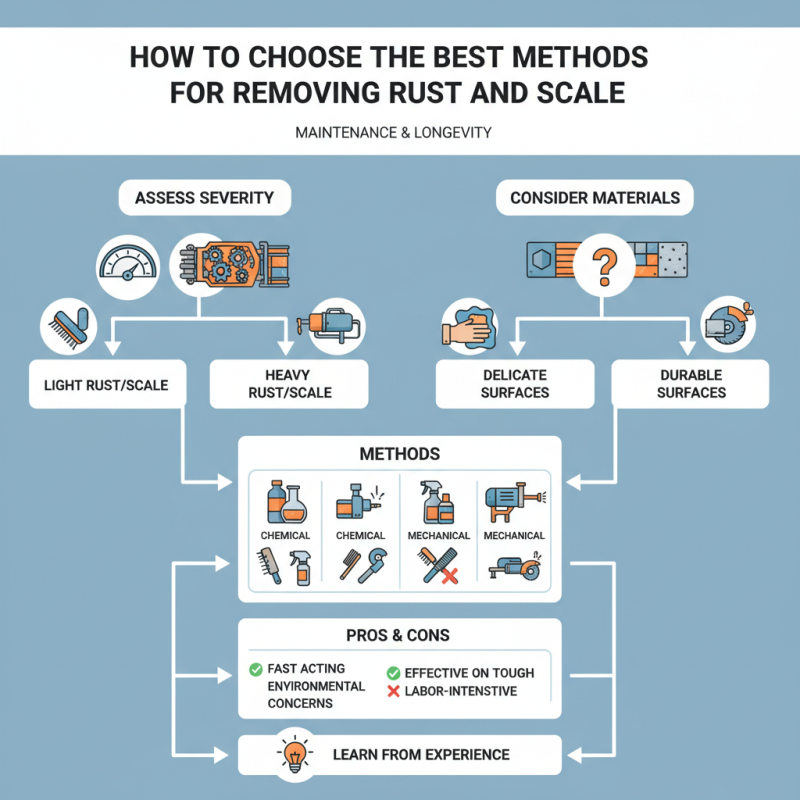
Different methods exist, ranging from chemical solutions to mechanical techniques. Each method has its pros and cons, and not every technique suits every scenario. For instance, while chemicals can provide quick results, they may not be environmentally friendly. Conversely, mechanical methods can be labor-intensive and time-consuming.
Choosing the appropriate technique involves analyzing the severity of the rust or scale. It also requires an understanding of the materials involved. What works for one situation may not be applicable in another. Hence, reflecting on past experiences can guide better decision-making in selecting the best approach.
Rust and scale are common issues in various industries, leading to equipment deterioration and increased maintenance costs. Rust is primarily caused by moisture and oxygen reacting with metal. Scale, on the other hand, forms from mineral deposits in water. Both can severely impact operational efficiency and safety.
According to a report from the National Association of Corrosion Engineers, corrosion alone results in an estimated $276 billion annual cost in the U.S. Acknowledging the causes of rust and scale can help industries proactively manage these challenges. Regular inspections and maintenance play a crucial role in prevention.
Tip: Implementing a routine cleaning schedule can significantly reduce rust and scale build-up. Regular inspections help identify at-risk areas early, allowing for timely intervention. Additionally, utilizing protective coatings on metal surfaces can provide an extra layer of defense against corrosion.
Environmental factors also contribute to rust and scale formation. Humidity levels and water quality can exacerbate the problem. Different materials react differently, which makes proper material selection vital. Adopting a comprehensive understanding of these factors can lead to more effective management strategies.
Rust and scale can form in various environments, impacting metals and surfaces. In industrial settings, rust typically appears as reddish-brown flakes. This occurs when iron reacts with moisture and oxygen. Scale, on the other hand, often resembles white or gray deposits. It forms from mineral buildups, especially in high-temperature settings like boilers and pipes.
Identifying the type of rust and scale is crucial. For example, pitting corrosion creates small holes and affects structural integrity. Conversely, flaky rust can often be scrubbed away. Scale removal may require chemical solutions or mechanical methods, depending on the severity. Understanding these differences helps in selecting the right cleaning approach, ensuring effectiveness while reducing damage.
Consider the factors affecting the formation of rust and scale. Humidity levels play a major role, as does temperature. Not all solutions work universally. Some might damage sensitive surfaces. Trial and error is often necessary. Monitoring the effectiveness of chosen methods is vital for long-term maintenance. Always refine your approach based on the reactions observed during the removal processes.
When evaluating chemical methods for rust and scale removal, several factors come into play. The effectiveness of a chemical solution often depends on the type of material being treated and the nature of the rust or scale. According to a report by the National Association of Corrosion Engineers, nearly 25% of maintenance costs in industrial settings are due to rust-related issues. Choosing the right chemical can significantly reduce these costs.
Acidic solutions, such as hydrochloric acid, are commonly used for rust removal. They work quickly by dissolving rust and scale. However, they can also cause damage to the base metal if not applied carefully. Research indicates that porous materials like concrete or some alloys are particularly vulnerable to acidic treatments. It's crucial to assess the compatibility of the chemical with the surface to avoid any unintended consequences. Less aggressive options, like citric acid, are available but may require longer application times.
It's important to acknowledge the environmental impact as well. Some chemicals can be harmful to the environment. Safe disposal methods must be considered. A 2022 study found that over 70% of industrial operations now prioritize eco-friendly solutions. Evaluating both effectiveness and safety can lead to better long-term results in rust and scale mitigation. While chemical treatments can provide immediate relief, they should be part of a broader maintenance strategy.
When tackling rust and scale, mechanical techniques offer effective solutions. The most common methods include sanding, grinding, and blasting. According to industry reports, these methods can remove up to 90% of surface rust, significantly improving the lifespan of metal components. Using the right approach depends on the surface condition and the desired finish.
Sanding is a popular choice for smaller areas. It utilizes abrasive materials to strip rust from surfaces. However, it can be time-consuming and may lead to uneven surfaces if not performed carefully. Grinding, while faster, can generate heat, potentially damaging the base metal if not monitored.
Tip: When using mechanical methods, always wear proper safety equipment. Dust and debris can be harmful.
Another efficient method is abrasive blasting. This technique involves propelling materials at high speeds to remove rust efficiently. Studies indicate that blasting can clean large metal parts quickly, but it requires specialized equipment. Additionally, improper use can lead to surface pitting.
Tip: Ensure proper setup and technique to avoid damage. Test on a small area first.
While mechanical methods are effective, they require skill and knowledge to achieve the best results. Practitioners must be mindful of the potential for oversights that could compromise the work.
| Method | Description | Effectiveness | Cost | Ease of Use |
|---|---|---|---|---|
| Mechanical Blasting | Uses high-speed abrasive particles to remove rust and scale. | Very High | $$$ | Moderate |
| Power Washing | High-pressure water spray that cleans surfaces and removes debris. | High | $$ | Easy |
| Sandblasting | Abrasive sand is blasted at high speed to strip surfaces of rust. | Very High | $$$$ | Difficult |
| Grinding | Uses a rotating abrasive wheel to grind down rust and scale. | High | $$ | Moderate |
| Chemical Treatment | Applies chemical solutions to dissolve rust without abrasion. | Moderate | $ | Easy |
Rust and scale build-up can be a troublesome issue in various industries. Proper preventive measures are essential to prolong equipment life and optimize performance. Research from industry experts shows that approximately 30% of maintenance costs are attributed to corrosion and scale-related issues. Addressing these problems proactively can save companies significant resources.
Regular inspections play a crucial role in preventing rust and scale. Equipment operators should carefully examine their systems for early signs of corrosion. Implementing proper coatings can serve as a barrier against moisture and oxygen, which promote rust formation. Data indicates that well-maintained protective coatings can reduce corrosion rates by up to 80%. Additionally, maintaining optimal operating conditions can deter scale accumulation. For instance, ensuring that temperatures and pressures are within recommended limits can minimize the likelihood of unwanted build-up.
Moreover, effective water treatment systems can be a game changer. They help remove impurities that contribute to scaling. Regular monitoring of water quality is vital. Failing to address water chemistry can lead to an increase of up to 50% in operational interruptions. Companies must educate their workforce about the importance of these measures. Simple training sessions can enhance awareness and foster a culture of maintenance.
: Rust is caused by moisture and oxygen reacting with metal. Scale forms from mineral deposits in water.
They lead to equipment deterioration and higher maintenance costs, affecting operational efficiency and safety.
Common methods include sanding, grinding, and abrasive blasting. Each has its own benefits and drawbacks.
Different materials react differently to environmental factors, affecting rust and scale formation. Proper selection is vital.
Regular inspections and a cleaning schedule can significantly reduce rust and scale build-up.
Always wear safety equipment. Monitor heat generation and ensure proper technique to prevent damaging surfaces.
Humidity levels and water quality can exacerbate rust and scale issues, requiring tailored management strategies.
Yes, not all solutions work universally. Monitoring results is necessary for long-term effectiveness.
Flaky rust can often be scrubbed away, while pitting corrosion indicates more serious structural integrity concerns.
Yes, improper use can lead to surface pitting, so testing on small areas before full application is advised.
When addressing the question of which methods are best for removing rust and scale, it is essential to first understand the definitions and underlying causes of these issues. Rust typically forms due to oxidation on metal surfaces, while scale accumulates from mineral deposits in water systems. Identifying the specific types of rust and scale present can guide the selection of appropriate removal methods.
Evaluating both chemical and mechanical techniques is crucial for effective rust and scale elimination. Chemical methods involve using specialized solutions that can dissolve corrosion and deposits, while mechanical approaches, such as sanding or blasting, physically remove the buildup. Additionally, implementing preventive measures to mitigate the risk of future rust and scale formation can significantly extend the lifespan of metal surfaces and plumbing systems. Ultimately, a combination of understanding the problem and careful selection of removal techniques will yield the best results in maintaining the integrity of affected materials.