 Blatrixo Machine
Blatrixo Machine
Blatrixo Machine
China’s industrial surface treatment sector is expanding across automotive, electronics, aerospace, construction, and energy manufacturing. Equipment now includes cleaning lines, electroplating systems, powder-coating booths, shot-blasting machines, and wastewater units. Grand View Research’s Surface Treatment Market Size, Share & Trends Analysis Report, 2024–2030, identifies rising demand for corrosion protection and lower-emission processes. MarketsandMarkets also links market growth to automotive lightweighting, stricter environmental controls, and advanced coating technologies. These trends make standards a purchasing issue, not merely a certification exercise.
So, which standards apply to industrial surface treatment equipment? The answer depends on process, chemical exposure, automation level, and installation conditions. Chinese manufacturers and buyers may need to examine GB and GB/T standards, occupational safety requirements, environmental discharge rules, fire protection codes, and electrical safety specifications. Relevant references can include GB/T 19001 for quality management, GB/T 24001 for environmental management, ISO 12100 for machinery risk assessment, and IEC 60204-1 for electrical equipment. Electroplating, painting, blasting, and thermal spraying may require different technical controls. One checklist rarely fits every factory.
Look closely at the details. A spray booth needs controlled airflow, filtration, grounding, and fire protection. An electroplating line needs chemical-resistant tanks, ventilation, emergency showers, and reliable wastewater handling. Reports from the International Organization for Standardization and China’s standardization authorities provide useful frameworks, but market summaries cannot replace site-specific engineering review. This is where many projects become uncertain. Standards can overlap, change, or be interpreted differently by local inspectors. A responsible comparison should verify the latest edition, certification scope, and installation conditions before equipment selection. Small omissions can create expensive delays.
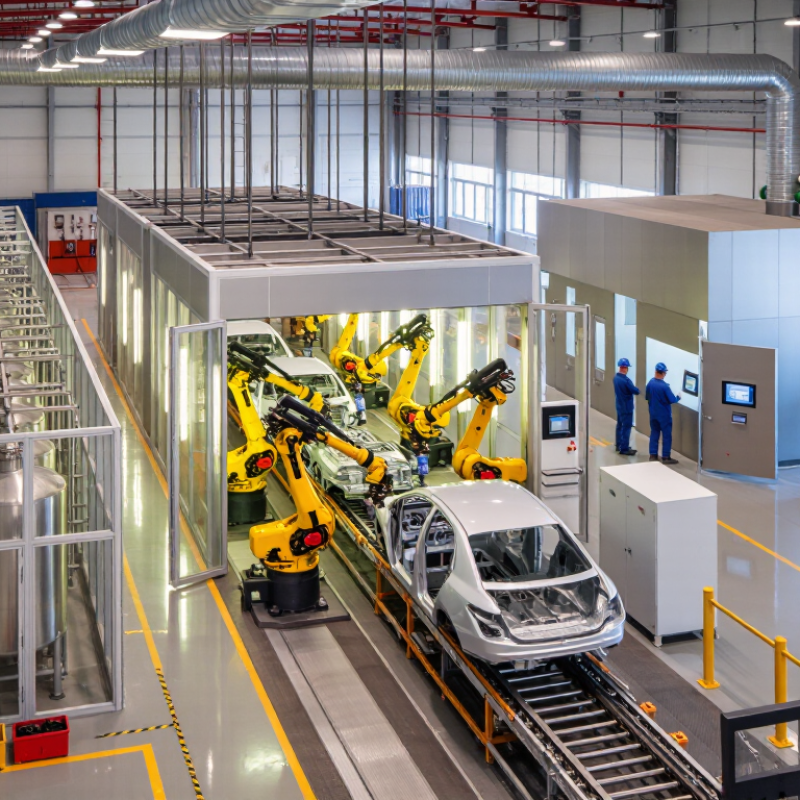
China Top Industrial Surface Treatment Equipment Standards?
Industrial surface treatment equipment in China covers machines that clean, prepare, coat, dry, cure, or inspect industrial surfaces. Common examples include spray booths, shot-blasting units, dipping systems, curing ovens, filtration devices, and wastewater-control equipment. The scope depends on the process, material, output, and workplace conditions. A small cleaning cabinet and a continuous coating line may face very different technical requirements.
In plant audits, engineers usually check guarding, electrical protection, ventilation, noise, temperature control, and emergency access. They also review process records, maintenance logs, and test data. Chinese national standards, industry standards, and local environmental rules may apply together. Requirements can change by location and application. This is where many specifications become unclear. A supplier may describe excellent coating performance, yet provide limited evidence for energy use or emission control. That gap deserves attention.
Tips: Define the surface material, treatment chemicals, production speed, and target finish before requesting equipment. Ask for measurable data, such as airflow, chamber temperature, filtration efficiency, and noise levels. Keep sample panels from factory trials. They make later comparisons easier. Do not rely on photographs alone. A practical review should include cleaning access, spare-part availability, operator training, and safe shutdown procedures. Some projects also need independent testing or professional compliance advice, especially when several regulatory requirements overlap. Mistakes happen. Good documentation reduces them.
It includes cleaning, preparing, coating, drying, curing, and inspection machines. Common equipment includes spray washers, immersion tanks, blasting units, coating booths, ovens, filters, and wastewater-control systems. A small cleaning cabinet differs greatly from a continuous production line.
Match the machine to the surface material, chemicals, production volume, and target finish. Record bath temperature, pH, spray pressure, current density, and oven temperature. Automation cannot fix poor chemistry.
Inspect guarding, electrical protection, ventilation, noise, temperature control, and emergency access. Check safe shutdown procedures and operator access around tanks, ovens, and moving conveyors. Small gaps matter.
Request equipment drawings, electrical diagrams, operating limits, maintenance schedules, and inspection records. Also ask for energy data, airflow, filtration efficiency, noise levels, and emission-control details. Photos are not proof.
Request a factory acceptance test using samples similar to actual workpieces. Measure coating thickness, surface cleanliness, cycle time, energy use, and alarm performance. Keep the test panels and written results.
Requirements may include national standards, industry standards, local rules, and workplace safety provisions. Relevant requirements can cover emissions, wastewater, fire safety, electrical systems, and ventilation. Requirements vary by location.
Installation conditions can expose problems hidden during factory testing. Test drainage, ventilation, coating uniformity, conveyor speed, alarms, and operator procedures on site. Real production is messier.
Review cleaning access, spare-part availability, calibration methods, software access, and audit trails. Confirm who can repair controls and how quickly replacement parts can arrive. A compliant machine may still become difficult to operate.
Buyers sometimes compare only price, capacity, and delivery time. They may overlook chemical exposure, defect limits, energy use, or maintenance access. Keep review points before full production, because the chosen design may need adjustment.
Industrial surface treatment equipment in China covers systems used to clean, prepare, coat, plate, polish, dry, and inspect industrial components and materials. This overview explains which standards apply to industrial surface treatment equipment, focusing on equipment design, process performance, electrical safety, emissions control, workplace protection, and product quality. It also clarifies how requirements may differ according to the treatment method, material, production scale, and operating environment.
The article reviews major equipment categories, including cleaning systems, blasting units, coating lines, electroplating equipment, thermal treatment systems, drying ovens, ventilation devices, and wastewater or exhaust treatment facilities. It highlights the importance of risk assessment, energy efficiency, environmental management, maintenance access, process monitoring, and documentation. Finally, it provides practical guidance for evaluating and selecting compliant equipment by comparing technical specifications, safety features, quality controls, certification records, after-sales support, and suitability for the intended production process.
