Blatrixo Machine
In the competitive landscape of metal processing, understanding how to improve surface finishing quality in metal processing is crucial. Reports indicate that high-quality surface finishes can increase product lifespan and enhance corrosion resistance. For instance, a study by the American Society for Metal Processing found that up to 70% of manufacturing failures stem from inadequate surface finishing. This statistic underscores the need for effective strategies in this area.
Investing in advanced technologies, such as laser machining and precision polishing, can significantly elevate surface quality. However, many companies still rely on outdated techniques, leading to inconsistent results. Therefore, it is important to evaluate current methods critically. Failing to adopt innovative solutions can hinder competitiveness and affect customer satisfaction.
Moreover, regular training in the latest finishing techniques is vital for personnel. A lack of expertise can result in costly errors and delays. In this evolving market, companies must commit to continuous improvement and remain vigilant. Reflecting on existing practices and striving for excellence will ultimately differentiate successful businesses from those stuck in mediocrity.
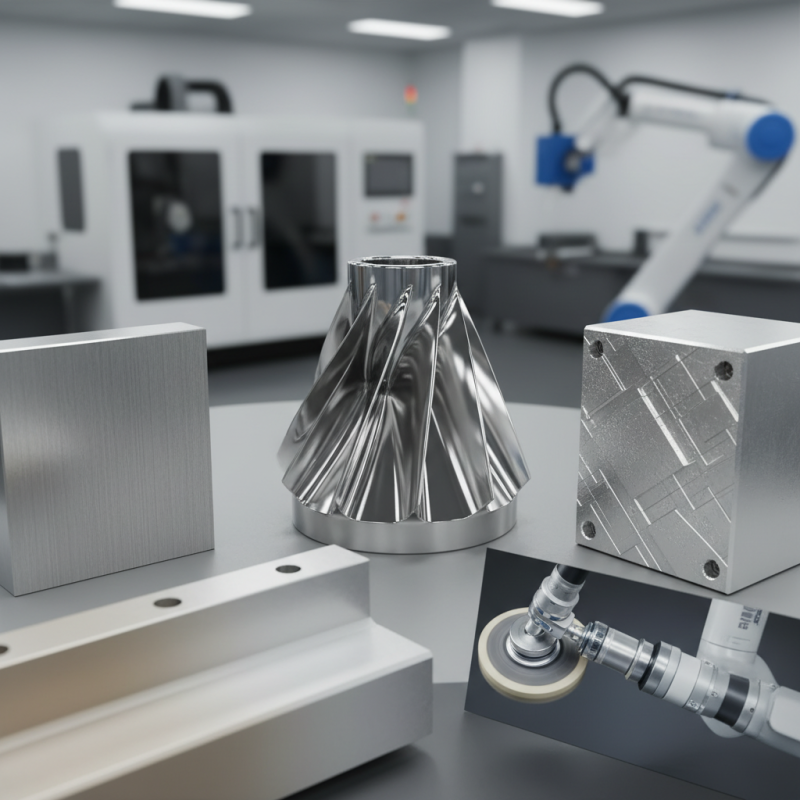
Understanding surface finishing methods is vital in metal processing.
Surface finishing enhances aesthetics and functionality. Different methods exist, including
grinding, polishing,
and coating. According to industry reports, around
70% of the metal parts' performance can be attributed to their surface quality.
Analyzing these methods leads to improved product durability.
Consider these tips for effective surface finishing. First, ensure proper equipment calibration.
Inaccurate settings can lead to uneven surfaces and wasted materials.
Regular maintenance is key to reliable machinery. Second, assess material compatibility.
Not every finishing method suits every metal type. For instance, stainless steel and
aluminum require different approaches.
Lastly, embrace innovation. Emerging technologies, like laser finishing,
offer precision unmatched by traditional methods. However, not all companies may have the budget for such advancements.
Balancing cost with quality is essential. Reflecting on practices may lead to
revisiting outdated methods. Continuous learning in surface finishing is
crucial for success.
Surface finishing plays a crucial role in metal processing. Several key factors significantly impact the quality of surface finish. Among these factors, machining accuracy and tool wear are paramount. Reports indicate that approximately 30% of surface finish defects arise from tool wear and improper alignment. Regular monitoring of tool conditions can mitigate these issues.
Another important aspect is the choice of finishing technique. Techniques such as grinding, polishing, and anodizing yield different results. According to industry studies, grinding can enhance surface roughness by up to 50%, while polishing may reduce it to a mere 0.1 micrometers. This stark contrast highlights the necessity for careful technique selection based on the desired outcome.
Moreover, the material properties of the metal being processed also greatly influence surface quality. Variations in hardness and grain structure can lead to inconsistent finishes. For instance, high-carbon steels exhibit different finishing challenges compared to aluminum alloys. A thorough understanding of these material characteristics is essential for achieving optimal results.
Selecting the right abrasives and tools is crucial for effective surface finishing in metal processing. Different metals require specific abrasives to achieve the desired finish. For instance, harder metals benefit from diamond abrasives, while softer metals work well with aluminum oxide. Understanding these differences can significantly enhance your finishing results.
Always consider the grit size of abrasives. Finer grits are useful for polishing, while coarser grits are better for removing material quickly. Experimenting with grit sizes helps identify the best match for your project. However, this process can be challenging. You may need to adjust your approach based on the metal type and desired surface quality.
Tool selection is equally important. Ensure tools are compatible with your chosen abrasives to prevent premature wear. The right tool can improve efficiency but selecting the wrong one can lead to poor outcomes. Reflecting on past projects may reveal weaknesses in tool choices. Continuous learning is vital for optimizing surface finishing techniques. Make notes on what works and what doesn’t. Over time, this practice will lead to better decision-making and more refined finishes.
Surface treatment and coating technologies play a vital role in enhancing the durability and aesthetics of metal products. Advanced techniques, such as anodizing and powder coating, can significantly improve corrosion resistance. Anodizing creates a thick oxide layer on aluminum surfaces, while powder coating offers a durable finish that withstands harsh environments. Both methods need precise temperature control for optimal adhesion and finish quality.
The process of surface finishing is not without its challenges. For instance, improper preparation can lead to poor coating adhesion. Problems like contamination or inadequate cleaning can ruin the final appearance. It’s also essential to consider the environmental impact. Chemical treatments may release harmful substances, necessitating responsible disposal. Thus, balancing quality with sustainability is crucial.
Different industries require tailored approaches. Aerospace components demand lightweight coatings that resist extreme temperatures. Automotive parts, on the other hand, often need finishes that can endure daily wear and tear. Understanding these specific needs enhances effectiveness. Continuous learning from each project helps refine techniques and improve outcomes. This iterative process cultivates expertise in metal surface treatments and coatings.
Measuring and analyzing surface finish outcomes is crucial for metal processing. Different methods exist to gauge surface quality accurately. Visual inspection remains a standard approach, but it is often subjective. Inconsistent results can arise from varying interpretations of surface flaws.
Advanced technology offers more precise measurement tools. Optical and laser-based techniques provide quantitative data on surface roughness. They can detect imperfections invisible to the naked eye. However, these technologies may be costly and complex to implement for some manufacturers. This raises questions about accessibility and practicality in smaller operations.
Data analysis is equally important after measurement. Understanding the correlation between surface finish and performance can be challenging. Misinterpretation of results may lead to poor quality decisions. Regular training for staff on analyzing data can mitigate these inaccuracies. Continuous learning is essential in refining processes for better surfaces in metal processing.
| Tip | Description | Measurement Method | Expected Outcome |
|---|---|---|---|
| Use Quality Abrasives | Select abrasives that produce a fine finish without damaging the surface. | Visual inspection and surface roughness measurement. | Improved finish quality and reduced defects. |
| Optimize Machining Parameters | Adjust cutting speed, feed rate, and depth of cut for optimal surface finish. | Measurement using surface roughness testers. | Smoother surfaces and longer tool life. |
| Regular Equipment Maintenance | Ensure machines are well-maintained to avoid inconsistent finishes. | Routine checks and performance logs. | Consistent high-quality finishes. |
| Implement Staging Processes | Use multiple stages of finishing to enhance surface quality progressively. | Surface inspection after each stage. | Higher achievable surface finish standards. |
| Use Advanced Measuring Techniques | Utilize laser scanning or 3D measurement tools for accurate surface evaluation. | Precision measurement with digital tools. | Detailed analysis leading to better improvements. |
: Surface finishing improves aesthetics and functionality, affecting about 70% of metal parts' performance.
Inaccurate calibration can lead to uneven surfaces, waste materials, and lower quality finishes.
Regular maintenance ensures reliability and prevents issues that can result from worn tools or misalignment.
Different metals require specific finishing techniques, as not all methods suit every type of material effectively.
Improper preparation can cause poor adhesion, and contamination may ruin the final surface appearance.
Grinding enhances roughness significantly, while polishing can produce a smooth finish of 0.1 micrometers.
Some chemical treatments may harm the environment, requiring careful handling and disposal practices.
Aerospace and automotive industries have unique needs, demanding tailored approaches for various operational stresses.
Continual improvement from past projects enhances techniques and outcome quality over time.
Yes, investing in innovative technologies may not always fit the budget, impacting quality.
In the quest to understand how to improve surface finishing quality in metal processing, it is crucial to explore various surface finishing methods. This includes acknowledging the key factors that influence surface finish quality, such as material selection, processing parameters, and environmental conditions. Best practices for selecting abrasives and tools play a significant role in achieving desired outcomes, as the right tools can enhance performance and efficiency.
Moreover, incorporating advanced techniques for surface treatment and coating can lead to superior finish quality and durability. Effective measurement and analysis of surface finish outcomes are essential for continuous improvement, enabling adjustment of processes and techniques based on empirical data. By integrating these strategies, manufacturers can significantly elevate surface finishing quality, ultimately leading to enhanced product performance and customer satisfaction.