Blatrixo Machine Blatrixo Machine

5 Best Tips for Maintaining Blasting Equipment Long Term Performance?

Time:2026-05-03 Author:Liam
0%

In the world of blasting equipment, maintaining long-term performance is crucial for efficiency and safety. Industry expert John Smith, a veteran in blasting technology, once stated, “Regular maintenance is not just a task; it's essential for optimal performance.” His insight underlines the importance of knowing how to maintain blasting equipment for long term performance.

Effective maintenance extends the lifespan of equipment and minimizes downtime. Simple tasks, like regular checks on nozzles and hoses, can prevent significant issues later. Additionally, a clean and organized work environment contributes to equipment longevity. However, companies often overlook the impact of minor neglect.

The nuances of maintaining equipment require consistent effort and learning. Equipment operators should stay updated on best practices and common pitfalls. Over time, even small mistakes can lead to major failures. Thoughtful reflection on maintenance routines can lead to improvements, ensuring equipment remains in peak condition for years to come.
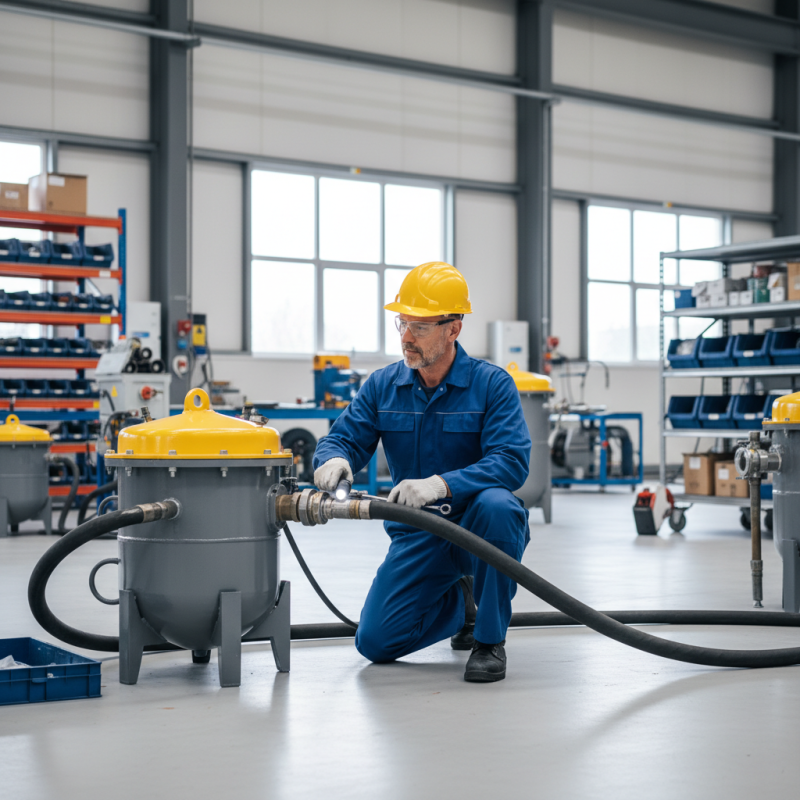
5 Best Tips for Maintaining Blasting Equipment Long Term Performance?

Understanding the Importance of Regular Maintenance for Blasting Equipment

Regular maintenance for blasting equipment is crucial. It ensures that the equipment operates efficiently and safely. Neglecting maintenance can lead to costly repairs and downtime. Understanding the importance of these practices helps prolong equipment life.

One effective tip is to establish a maintenance schedule. Keep track of routine checks and replacements. Check for wear and tear on components regularly. Make it a habit to clean the equipment after each use. Dirt and debris can cause significant damage over time.

Another vital aspect is to ensure proper training for operators. Knowledgeable personnel can identify issues before they escalate. They should be aware of the proper operating procedures. Regular training sessions can significantly reduce equipment-related accidents. Finally, don’t forget to keep accurate maintenance records. Documenting repairs and inspections highlights trends and potential problems. This practice fosters a proactive approach to maintenance.

Key Components of Blasting Equipment That Require Routine Checks

Regular inspections are crucial for the longevity of blasting equipment. Key components like the blast pot, nozzles, and hoses need your attention. Make it a habit to check these parts frequently. Wear and tear can happen unexpectedly, affecting performance. A small crack in a hose could lead to significant problems later. Check for signs of corrosion or damage during each inspection.

Monitoring the air supply system is equally important. Ensure the air compressor functions efficiently. Inspect filters and regulators regularly. Clogged filters can reduce airflow, impacting blasting quality. Create a checklist to help identify potential issues. Document your findings for future reference. This proactive approach can prevent costly breakdowns.

Training personnel in these maintenance practices enhances the process. Invest time in educating staff about common problems and fixes. Encourage a culture of vigilance. Overlooked details can lead to failures. Emphasize the importance of routine checks and thorough inspections. While equipment may appear sound, small, neglected issues can escalate quickly.

Effective Cleaning Techniques to Enhance Equipment Longevity

Effective cleaning is crucial for prolonging the life of blasting equipment. Regular maintenance ensures optimal performance and prevents costly breakdowns. One essential technique involves using a proper cleaning solution tailored for your equipment type. This avoids corrosion while ensuring thorough dirt and grime removal.

Another key practice is to conduct routine inspections. Check for any signs of wear or damage. Keeping an eye on hoses, valves, and nozzles can help catch problems early. Use compressed air to blow out accumulated abrasives from hard-to-reach areas after every job. This simple step enhances performance and reduces the risk of clogs.

Prioritize scheduling regular deep cleaning sessions. These sessions should go beyond basic upkeep. Disassemble parts carefully, and clean each component to restore them to their original functionality. Avoid rushing through this process, as thorough cleaning can reveal issues often overlooked during quick checks. Remember, each cleaning is an opportunity to reflect on how to improve your maintenance routine.

Best Practices for Storing Blasting Equipment When Not in Use

When storing blasting equipment, proper handling is crucial for long-term performance. The first step is to clean your equipment thoroughly. Remove any debris and contaminants. Residue can cause corrosion over time. After cleaning, inspect all components for wear and damage. Even minor issues can worsen while in storage.

Humidity control is essential. High humidity can lead to rust and other deterioration. Store equipment in a dry, climate-controlled environment. If possible, use dehumidifiers to maintain optimal conditions. Additionally, consider using protective covers. These can shield against dust and moisture.

Regularly check on your equipment, even when not in use. A simple visual inspection can reveal developing issues. This habit can save time and money in the long run. Ensure your storage area is organized. A cluttered space increases the risk of accidents. Keeping everything in its place helps maintain functionality.

5 Best Tips for Maintaining Blasting Equipment Long Term Performance

Tip Description Frequency Notes
Regular Cleaning Clean equipment after each use to remove dust and abrasive residues. After Each Use Use a non-corrosive cleaner
Inspect for Wear Check hoses, nozzles, and other components for signs of wear. Monthly Replace worn parts immediately
Lubricate Moving Parts Apply appropriate lubricants to all moving parts to reduce friction. Every 3 Months Refer to the manufacturer’s specifications
Secure Storage Store blasting equipment in a dry and secure environment to prevent damage. When Not in Use Consider climate control
Training Personnel Ensure all users are trained on proper equipment handling and maintenance. Annually Conduct refresher courses

Troubleshooting Common Issues to Prevent Long-Term Damage

When it comes to maintaining blasting equipment, understanding common issues is crucial. One typical problem is wear and tear on components. High-usage areas, such as nozzles, often need replacement. Regular inspection helps identify these parts before they fail. Check for cracks, corrosion, or excessive wear often to catch issues early.

Another common aspect is air supply. Insufficient air pressure can impact performance severely. This not only reduces efficiency but can lead to more significant breakdowns. Frequent checks on air compressors and associated lines will help maintain optimal flow. Ensure connections are tight and look for leaks that could hinder effectiveness.

Over time, components may also get clogged. This leads to reduced performance and potential damage. Use an air blast to clear dust and debris regularly. Cleaning filters is essential; they should be washed often to ensure optimal airflow. Maintenance requires diligence; overlooking small issues may lead to costly repairs later. Stay proactive to keep your equipment running smoothly.

FAQS

: How should I prepare blasting equipment for storage?

: Clean the equipment thoroughly to remove debris. Inspect for any wear or damage after cleaning.

Why is humidity control important for storing equipment?

High humidity can cause rust and deterioration. Store in a dry, climate-controlled space to combat this.

How can protective covers benefit stored equipment?

Protective covers shield against dust and moisture, helping to maintain equipment integrity over time.

What routine should I follow for equipment checks?

Perform regular visual inspections to catch developing issues early. It can save time and money later.

What causes wear and tear on blasting equipment?

High-usage areas, like nozzles, often need replacing. Regular checks help identify these parts.

How does air supply impact blasting equipment performance?

Insufficient air pressure can reduce efficiency and cause breakdowns. Regular checks are essential for optimal flow.

What should I do if my equipment components get clogged?

Use an air blast to clear dust and debris regularly. Also, wash filters often to ensure good airflow.

How important is organization in a storage area?

An organized space minimizes accidents and maintains functionality. Clutter can increase risks and damage.

What happens if minor issues are overlooked?

Minor problems can worsen over time. Staying proactive helps avoid costly repairs in the future.

What is a common troubleshooting tip for air compressors?

Regularly check connections for tightness and leaks. This ensures better air flow and performance.

Conclusion

Maintaining blasting equipment for long term performance is crucial for ensuring efficiency and safety in operations. Regular maintenance is essential as it helps identify and resolve issues before they lead to costly repairs or equipment failures. Key components such as hoses, nozzles, and pressure regulators should undergo routine checks to ensure they operate effectively. Additionally, employing effective cleaning techniques can enhance the longevity of the equipment by preventing the buildup of abrasive materials that may cause wear.

When not in use, it is important to follow best practices for storing blasting equipment to protect it from environmental factors that could lead to deterioration. Lastly, being proactive in troubleshooting common issues can help prevent long-term damage and ensure that the equipment remains reliable throughout its lifespan. By following these guidelines, operators can effectively learn how to maintain blasting equipment for long term performance, ultimately leading to improved productivity and reduced downtime.

Liam

Liam

Liam is a dedicated marketing professional with a profound expertise in the industry, where he excels at highlighting the unique advantages of our core products. With a keen understanding of market trends and consumer needs, Liam frequently updates our company’s professional blog, providing......