Blatrixo Machine Blatrixo Machine

How is Automation Transforming Surface Treatment Processes?

Time:2026-06-30 Author:Oliver
0%

Automation is significantly reshaping surface treatment processes across various industries. As technology evolves, more companies have begun adopting automated solutions. This transformation not only enhances efficiency but also improves precision in surface treatments. According to a recent report by MarketsandMarkets, the automation market in surface treatment is expected to grow at a CAGR of over 10% from 2021 to 2026.

Experts emphasize the impact of automation in these processes. “How is automation changing surface treatment processes?” states Dr. Emily Carter, a leading researcher in industrial automation. “The integration of automated systems results in decreased human error and increased throughput.” This shift means that manufacturers can achieve consistent quality while lowering operational costs.

Despite the advantages, there are challenges. Transitioning to automation requires substantial investment and training. Organizations must carefully consider their specific needs and potential risks. Automation is not a one-size-fits-all solution. Balancing innovation with practical application is crucial as the industry navigates this ongoing transformation.
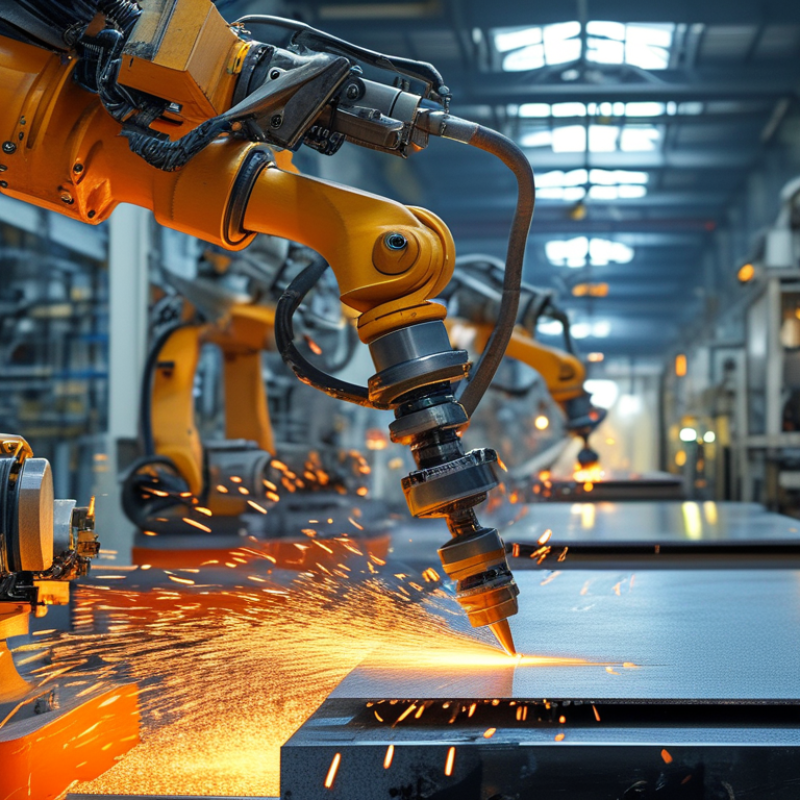
How is Automation Transforming Surface Treatment Processes?

Automation in Surface Treatment: Definition and Scope

Automation in surface treatment encompasses the integration of technology to enhance various processes. It involves the application of machines and software for tasks such as cleaning, coating, and finishing surfaces. This shift towards automation aims to improve efficiency and precision while reducing human error.

Many industries benefit from automated surface treatments. For instance, automotive and aerospace sectors rely on it for uniform application of coatings. Automation ensures consistency and saves time. However, the initial setup costs can be a barrier for smaller companies. There’s also the risk of over-reliance on technology, which could lead to a loss of skilled labor in the field.

Despite these challenges, the scope of automation in surface treatment continues to grow. Innovations like AI and robotics are revolutionizing how we approach surface treatment. Yet, one must consider the balance between technology and human oversight. Striking this balance is crucial for long-term success.

How Automation is Transforming Surface Treatment Processes

Current Trends in Automation Technologies for Surface Treatment

Automation is reshaping surface treatment processes significantly. Recent data reveals that by 2025, the global surface treatment market is expected to reach $30 billion, driven by automation technologies. This shift enhances efficiency, reduces labor costs, and ensures consistency in quality.

Robotics play a crucial role in these advancements. Automated systems can perform tasks such as coating, polishing, and etching with precision. According to a study by the International Federation of Robotics, the adoption of industrial robots in surface treatment processes has increased by over 20% annually. However, the integration of these technologies does pose challenges. Workers must adapt to new roles, and companies must invest in training and maintenance.

Moreover, machine learning and AI are becoming vital in surface treatments. They enable real-time monitoring and adjustments, ensuring optimal performance. Yet, dependence on automation raises concerns over job displacement and the need for human oversight. Companies are encouraged to address these issues while embracing innovative technologies for sustainable growth.

Impact of Automation on Efficiency and Production Rates in Industries

Automation is significantly reshaping surface treatment processes across various industries. According to a recent report by a leading market research firm, automation can boost production rates by up to 30%. This increase allows manufacturers to meet the growing demand for precision and quality in surface treatments. Automation minimizes human error and enhances consistency, which are critical factors in industries like aerospace and automotive.

Efficiency is another major benefit of automation. A study revealed that automated systems can improve operational efficiency by up to 25%. This is achieved through streamlined workflows and reduced downtime. While some companies have embraced these systems, others struggle to adapt. There remains a gap in training and understanding of new technologies. Employees may resist change, leading to underutilization of advanced equipment. Addressing this gap is essential for maximizing the benefits of automation.

Moreover, the initial investment in automation can be daunting. Financial constraints can hinder smaller businesses from taking the leap. However, the long-term savings and increased production capacity can outweigh these costs. Balancing investment with potential growth is a challenge that industry leaders must navigate. It is crucial for organizations to evaluate both the short-term impacts and long-term benefits of automating their surface treatment processes.

Key Challenges and Solutions in Implementing Automation in Surface Processes

The automation of surface treatment processes brings significant benefits, but it also presents unique challenges. A recent report by Industry Week noted that around 70% of manufacturers struggle with integrating new automated systems. Many face issues related to workforce training and compatibility with existing technologies. Incompatibility can lead to downtime, which is costly. This emphasizes the need for a thorough assessment before implementation.

To navigate these obstacles, companies should adopt a phased approach. Start with pilot projects to evaluate the effectiveness of automation on a small scale. This strategy allows teams to identify specific issues and refine processes without overwhelming resources. Continuous training programs can help staff adapt to new technologies. Additionally, updating legacy systems to ensure compatibility is crucial.

Tip: Regular feedback from operators is vital. Their insights can illuminate potential hitches that management may overlook. Seek out employees’ suggestions during the transition process.

Another challenge is ensuring data security as automation increases. According to a recent study, 56% of manufacturers express concerns about cybersecurity threats posed by automated systems. Implementing robust cybersecurity measures is essential. This includes encrypting sensitive data and employing regular audits to detect vulnerabilities.

Tip: Collaborate with cybersecurity experts when upgrading systems. Their expertise can help mitigate risks associated with automation.

How is Automation Transforming Surface Treatment Processes? - Key Challenges and Solutions in Implementing Automation in Surface Processes

Aspect Challenges Solutions Impact on Surface Treatment
Integration with Existing Systems Compatibility issues with legacy equipment Conduct thorough system audits before integration Smoother transition to automated processes
Cost of Implementation High initial investment Phased implementation to spread costs Long-term savings and efficiency gains
Employee Training Need for new skill sets among employees Invest in comprehensive training programs Increased worker proficiency and confidence
Data Management Challenges in data collection and analysis Implement robust data management systems Better quality control and process optimization
Maintenance of Automated Systems Potential downtime due to system failures Regular maintenance schedules and remote monitoring Improved uptime and reliability

Future Prospects: Industry Predictions for Automation in Surface Treatment

The surface treatment industry is witnessing a tectonic shift due to automation. Current forecasts predict that the automation market in this sector will reach $5 billion by 2027. This growth highlights the increasing reliance on automated systems for efficiency and consistency. In particular, robotics and AI-driven solutions are reshaping workflows. These technologies offer precision, reducing human error in processes such as coating and cleaning.

However, automation is not without challenges. As machines take over certain tasks, the need for skilled operators who can maintain and troubleshoot these systems becomes critical. Studies indicate that nearly 40% of workers in the industry may require retraining. The emphasis on upskilling is essential to bridge this skills gap. Innovations like predictive maintenance can reduce downtime by up to 25%, yet many companies are still hesitant to fully implement these strategies.

The future seems promising but complex. Automation technologies are becoming more accessible, yet implementation requires careful planning. Reports suggest that early adopters see a 30% boost in productivity. Yet, businesses must remain cautious. Balancing automation with human oversight is vital to avoid pitfalls associated with over-reliance on technology.

FAQS

: What is automation in surface treatment?

: Automation in surface treatment means using technology for tasks like cleaning, coating, and finishing surfaces.

How does automation benefit industries?

Automation improves efficiency, saves time, and enhances precision in processes, especially in automotive and aerospace sectors.

What challenges does automation present to smaller companies?

Initial setup costs can be high, making it difficult for smaller firms to adopt automated processes.

Can automation lead to loss of skilled labor?

Yes, over-reliance on technology might reduce the need for skilled workers in surface treatment.

How much can automation increase production rates?

Automation can boost production rates by up to 30%, helping meet demands for quality.

What are the efficiency gains from automation?

Studies show automation can improve operational efficiency by up to 25% through streamlined workflows.

Why might employees resist automation?

Some workers may struggle to adapt or fear new technology, which can lead to underutilization of equipment.

What is the financial consideration for adopting automation?

High initial investment costs can be daunting, yet long-term savings and growth are significant benefits.

Is there a balance needed with technology use?

Yes, balancing technology with human oversight is crucial for successful automation in surface treatment.

What aspect of automation needs attention?

Training gaps and employee resistance must be addressed for maximizing automation benefits.

Conclusion

The article "How is Automation Transforming Surface Treatment Processes?" explores the significant role of automation in enhancing surface treatment operations. It defines the scope of automation within this field and highlights current trends in automation technologies that are revolutionizing procedures. By improving efficiency and production rates, automation is reshaping industry standards and practices.

However, the article also addresses the key challenges faced when integrating automation in surface processes, such as technical complexities and workforce adaptation. Solutions to these challenges are discussed, emphasizing the need for strategic implementation. Looking ahead, the article offers insights on future industry predictions for automation in surface treatment, illustrating how is automation changing surface treatment processes and what this means for the future of manufacturing.

Oliver

Oliver

Oliver is a seasoned marketing professional with a wealth of expertise in driving brand awareness and engagement. With a deep understanding of our company's product offerings, he consistently delivers high-quality content that enriches our professional blog. His insights not only shed light on......