 Blatrixo Machine
In 2026, choosing abrasive equipment is only part of building a reliable finishing process. Blast cabinets, belt grinders, and other abrasive machines depend on consistent airflow, secure guards, and correctly fitted wear parts. Small changes matter. A clogged filter can weaken dust collection, while a worn belt may leave uneven marks on a workpiece. These issues can affect finish quality, interrupt production, and create avoidable risks for operators.
So, why is maintenance important for abrasive equipment? Regular inspection helps teams spot wear before it becomes an unexpected breakdown. Practical checks may include examining hoses and seals, cleaning filters as directed, checking belts or wheels for damage, and confirming that guards remain in place. Follow the equipment maker’s instructions, and record service dates, replaced parts, and recurring faults. A simple log can reveal patterns that memory misses. It is not a guarantee.
Maintenance also supports more dependable results over time. When components are clean, aligned, and within their recommended service limits, operators can better control the process and assess finished surfaces. The right schedule depends on machine design, abrasive type, workload, and site conditions, so one checklist will not fit every workshop. Even a careful routine can miss something. Reviewing maintenance records and asking trained technicians to investigate repeated problems helps turn routine care into informed decisions. This guide explores the equipment features and maintenance habits worth considering when evaluating abrasive systems in 2026.
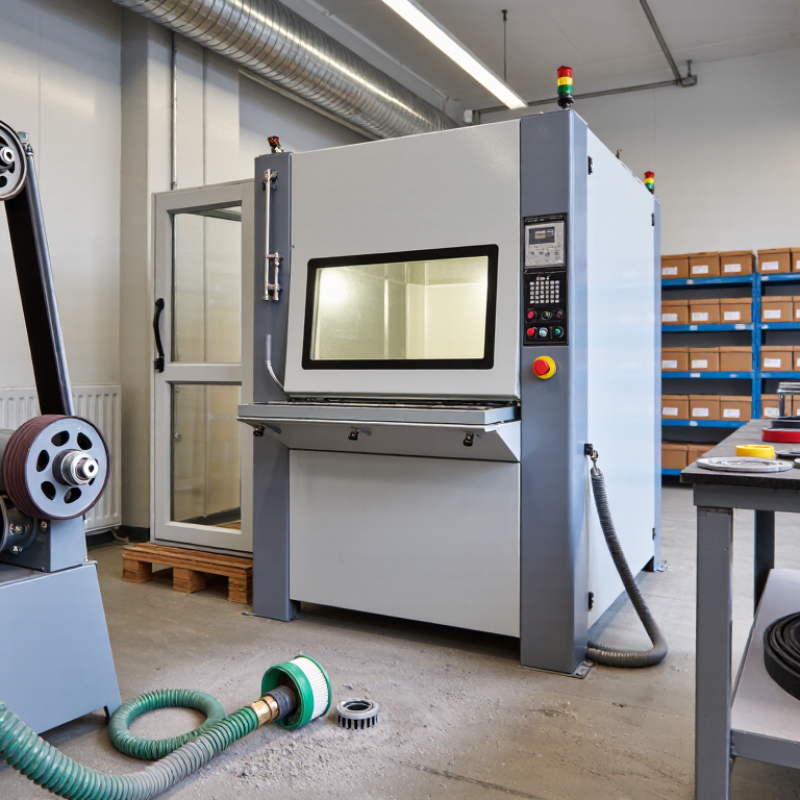
Abrasive equipment uses hard particles to clean, smooth, texture, or prepare a material’s surface. Common systems include blast cabinets, centrifugal wheel machines, and vibratory finishing units. Each moves abrasive media differently. A blast cabinet uses compressed air or suction to propel particles through a nozzle. A wheel machine throws media with a spinning impeller. In a vibratory unit, parts and media rub together inside a moving tub.
The particles remove surface material through repeated impact and friction. Their size, shape, speed, and hardness affect the finish. Fine media may leave a smoother texture, while coarser particles can remove scale or create a more pronounced profile. The workpiece also matters: a thin part may deform under aggressive blasting. The process is not perfectly uniform. Corners, recesses, and shadowed areas can receive less impact, so operators often adjust part position and exposure time.
A practical system also includes a work chamber, media recovery path, controls, and dust collection. These parts help maintain consistent operation and limit airborne dust. Maintenance matters because worn nozzles, blocked screens, or contaminated media can change the finish without an obvious warning. Check wear patterns and media condition regularly. A surface can look clean but still be uneven; that detail is easy to miss.
| Equipment Type | How It Works | Typical Applications | Key Maintenance Checks | Suggested Routine | Why Maintenance Matters |
|---|---|---|---|---|---|
| Abrasive belt grinder | A motor drives an endless abrasive belt over contact wheels or a platen to remove material and refine a surface. | Deburring, weld blending, edge finishing, and surface preparation on metal or wood. | Check belt tracking and tension; inspect the belt for tears, glazing, or uneven wear; clean contact wheels and guards. | Inspect before each shift; clean dust and debris after use; replace damaged or worn belts promptly. | Correct tracking and sound belts help reduce uneven finishes, belt failure, and workpiece damage. |
| Disc sander | A rotating disc coated with abrasive material removes stock as the workpiece is guided against its working face. | Edge shaping, beveling, deburring, and small-part finishing. | Inspect the disc for damage and secure attachment; check the table, guards, and dust-extraction openings. | Check before use; clean the table and extraction path regularly; change the disc when worn or damaged. | A secure, balanced disc and properly adjusted table support consistent results and safer operation. |
| Vibratory finishing machine | A vibrating bowl or tub moves parts and abrasive media against one another to deburr, smooth, or polish surfaces. | Batch finishing of small metal, plastic, or ceramic components. | Check media condition and load level; inspect the lining, drain screen, motor mounts, and lubricant where specified. | Inspect the machine and media before a cycle; remove sludge and clean screens after processing as needed. | Clean screens and suitable media help maintain circulation, finishing consistency, and efficient cycle times. |
| Portable abrasive blasting equipment | Compressed air propels abrasive through a hose and nozzle to clean or profile a surface. | Rust and coating removal, surface preparation, and cleaning of robust components. | Inspect hoses, couplings, nozzle, deadman control, pressure gauge, moisture separator, and supplied breathing-air protection. | Check safety controls and hoses before each use; drain moisture traps as required; replace worn nozzles and damaged hoses. | Worn or leaking components can reduce blast performance and increase exposure to pressure, dust, and rebound hazards. |
| Abrasive waterjet system | A high-pressure water stream, often carrying abrasive particles, cuts material through erosion along a programmed path. | Cutting metal, stone, glass, composites, and other heat-sensitive materials. | Follow the machine procedure for checking high-pressure seals, lines, nozzle components, abrasive feed, filters, and water quality. | Inspect before operation; monitor consumable wear during production; service high-pressure components only as directed by the manufacturer. | Timely consumable replacement and careful inspection help preserve cut quality and address high-pressure safety risks. |
| Dust-collection system for abrasive work | A fan draws airborne dust through ducting and filter media, capturing particles before cleaned air is exhausted or returned. | Dust control for grinding, sanding, and other abrasive processes. | Check airflow indicators, duct connections, filter condition, collection bins, and grounding where applicable. | Check airflow during operation; empty collection containers and inspect filters according to loading and system guidance. | Maintained airflow supports visibility, equipment cleanliness, and control of potentially hazardous airborne dust. |
It uses hard particles to clean, smooth, texture, or prepare surfaces. The particles work through repeated impact and friction.
A blast cabinet uses air or suction to push particles through a nozzle. A wheel machine throws media with a spinning impeller. A vibratory unit tumbles parts and media together.
Media size, shape, speed, and hardness all matter. Fine particles may leave a smoother texture, while coarse media can remove scale. Thin parts may deform under aggressive blasting.
Corners and recessed areas may receive less impact. Operators can adjust part position and exposure time, but the result is not always perfectly uniform.
Look for cracked hoses, loose couplings, worn nozzles, damaged guards, and clogged filters. Small leaks matter. They can affect pressure and create hazards.
Stop the machine, isolate its power, and release stored air pressure. Confirm that it cannot restart. Wear suitable eye, hearing, hand, and respiratory protection when needed.
Use the equipment manual as a guide, then consider operating hours, abrasive type, and visible wear. Daily checks may cover hoses and work areas; weekly checks may include nozzles and filters.
Record dates, operating hours, inspection findings, repairs, and replaced parts. Even normal results can help reveal gradual changes. Memory can be unreliable.
Shorten intervals if abrasive use rises or filters clog repeatedly. Investigate the cause instead of only changing the filter. A schedule can still miss problems.
Abrasive equipment uses controlled streams of abrasive media to clean, prepare, or finish surfaces. Its performance depends on coordinated components such as the power source, hoses, nozzles, feed systems, filters, and safety controls. Understanding how these parts work together helps operators identify changes in pressure, flow, or finish quality before they become larger problems.
Why is maintenance important for abrasive equipment? Regular care helps preserve consistent performance, reduce unexpected downtime, extend component life, and support safer operation. Operators should routinely inspect wear-prone parts, connections, guards, filters, and controls, replacing damaged components according to equipment guidance. Maintenance should be performed only when the equipment is safely shut down and isolated, with appropriate protective measures in place. For 2026, plan schedules around operating hours, material conditions, workload, and inspection findings rather than relying on a single fixed interval. Record checks and repairs so recurring issues can be addressed early and maintenance plans adjusted as equipment use changes.
